National Parks of Argentine Patagonia: Complete Guide to Visiting One of the Least Known and Most Incredible
Argentine Patagonia concentrates some of the most impressive landscapes on the planet, and much of them is protected within its national park network. Glaciers calving into turquoise lakes, ancient forests, endless steppes and wildlife you won't see anywhere else: the national parks of Argentine Patagonia are the best gateway to nature tourism in the country.
In this complete guide we review which are the national parks of Argentine Patagonia, what makes each one unique and why one of the newest and least known — Parque Patagonia, in Santa Cruz — deserves a prominent place on your next trip. At the end you'll find all the practical info to plan your visit: how to get there, what to do, where to sleep and what to pack.
How many national parks does Argentine Patagonia have?
Argentine Patagonia concentrates 13 of the country's 39 national parks, distributed across the provinces of Neuquén, Río Negro, Chubut, Santa Cruz and Tierra del Fuego. Each one protects a different environment: Andean forests, glacial lakes, steppe, Atlantic coast or mountains. The region also includes other national protected areas, such as interjurisdictional marine parks and nature reserves, which extend the conservation of its ecosystems.
Together they form one of the most important conservation corridors in South America.
Los Glaciares National Park (Santa Cruz). Source: www.argentina.gob.ar
National Park |
Province |
Highlights |
Nahuel Huapi |
Neuquén / Río Negro |
Lakes, forests and Cerro Tronador |
Los Arrayanes |
Neuquén |
Pure arrayán forest on the Quetrihué Peninsula |
Lanín |
Neuquén |
Lanín Volcano and araucaria forests |
Laguna Blanca |
Neuquén |
Waterbird watching |
Lago Puelo |
Chubut |
Turquoise lake and Valdivian forest |
Los Alerces |
Chubut |
Millennia-old alerce trees (UNESCO World Heritage) |
Islote Lobos |
Río Negro |
Patagonian coast, sea lions and seabirds |
Los Glaciares |
Santa Cruz |
Perito Moreno Glacier and El Chaltén |
Perito Moreno |
Santa Cruz |
Lakes, steppe and huemuls |
Patagonia |
Santa Cruz |
Wildlife watching, hiking and archaeological sites |
Monte León |
Santa Cruz |
Atlantic coast and marine fauna |
Bosques Petrificados de Jaramillo |
Santa Cruz |
One of the most important petrified forest deposits in the world |
Tierra del Fuego |
Tierra del Fuego |
Forest, lakes, rivers, mountains and the Beagle Channel |
Los Alerces National Park. Source: www.argentina.gob.ar
Each park has its own personality. Some receive hundreds of thousands of visitors every year, while others keep a much more remote character. Among the latter is Parque Patagonia.
National parks of Northern Patagonia
Nahuel Huapi National Park (Neuquén and Río Negro)
The oldest in the country (created in 1934) and one of the most visited. It surrounds the imposing Nahuel Huapi lake and its main gateway is the city of Bariloche, though it also covers destinations like Villa La Angostura and Villa Traful. Andean-Patagonian forests, mountains for skiing in winter and trekking in summer, and the legendary Cerro Tronador. Ideal for those just starting to discover Patagonia.
Nahuel Huapi National Park (Río Negro). Source: Inprotur
Los Arrayanes National Park (Neuquén)
Located on the Quetrihué peninsula, on the shores of Lake Nahuel Huapi and very close to Villa La Angostura, it protects one of the most important arrayán forests in the world. Its trails and walkways let you explore a unique landscape, famous for its cinnamon-colored trunks and extraordinary biodiversity.
Los Arrayanes National Park (Neuquén). Source: www.argentina.gob.ar
Lago Puelo National Park (Chubut)
Small but charming, famous for the turquoise color of its lake, its sandy beach (rare to find in Patagonian parks) and very accessible trails. Perfect for seeing the Valdivian rainforest.
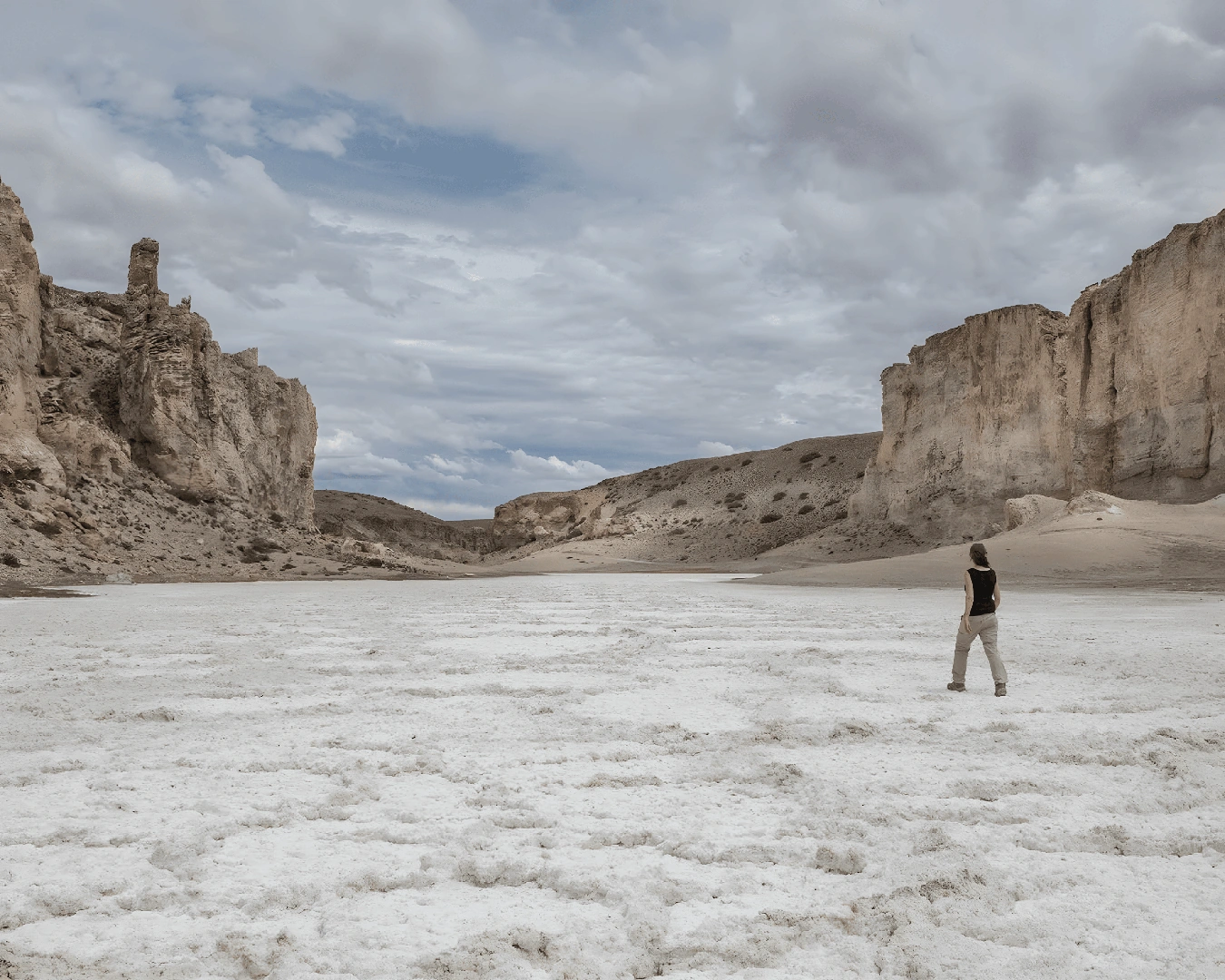
Lago Puelo National Park (Chubut). Source: www.argentina.gob.ar
Islote Lobos National Park (Río Negro)
One of the newest parks in Patagonia and Argentina (2022), it protects a stretch of Río Negro's Atlantic coast where sea lions, coastal birds and a great diversity of marine and terrestrial environments coexist.
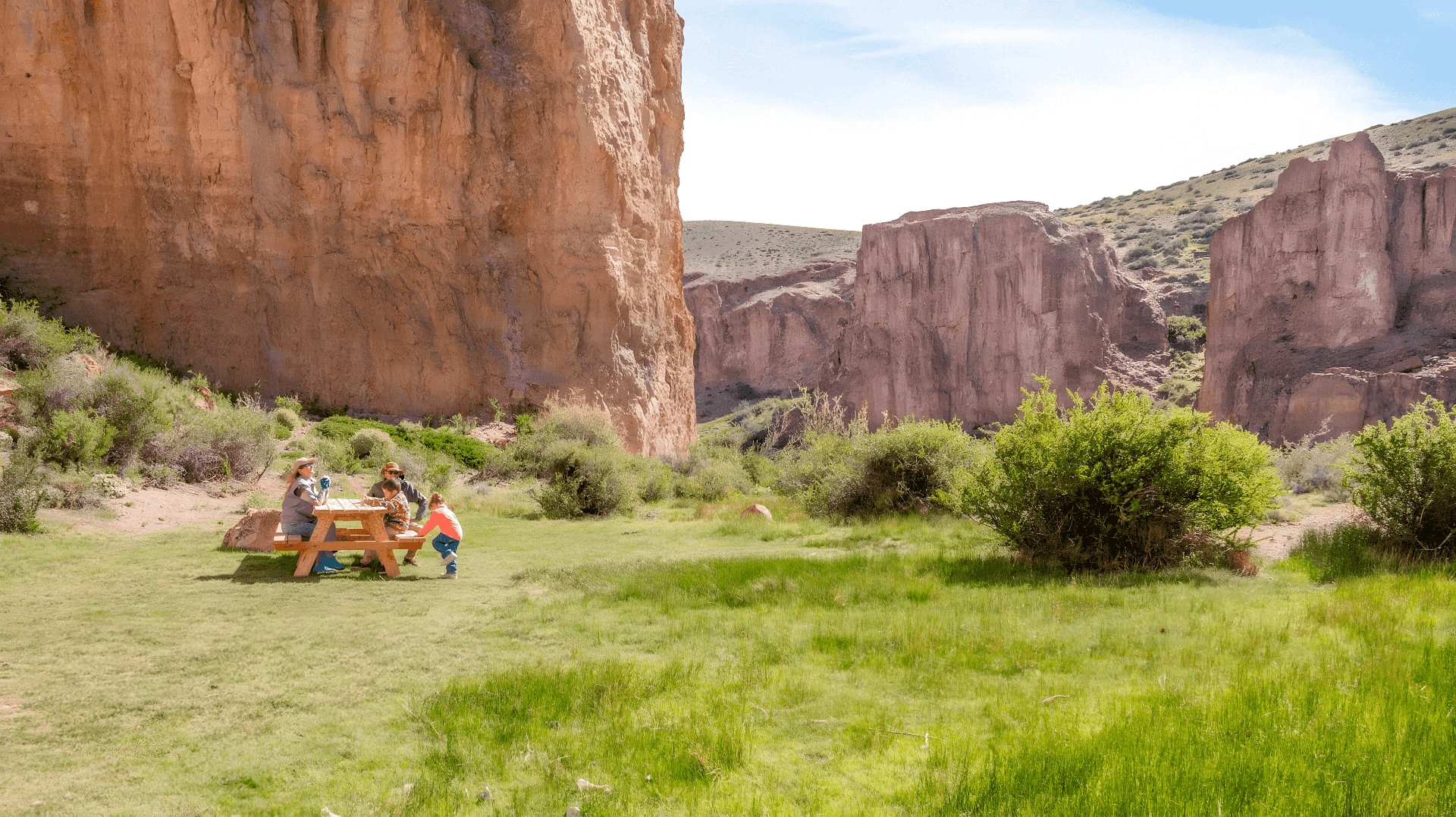
Islote Lobos National Park (Río Negro). Source: www.ampargentina.org
Laguna Blanca National Park (Neuquén)
Created to protect Laguna Blanca and one of Argentina's most important black-necked swan populations, this park is a privileged destination for waterbird watching in the heart of the Patagonian steppe.
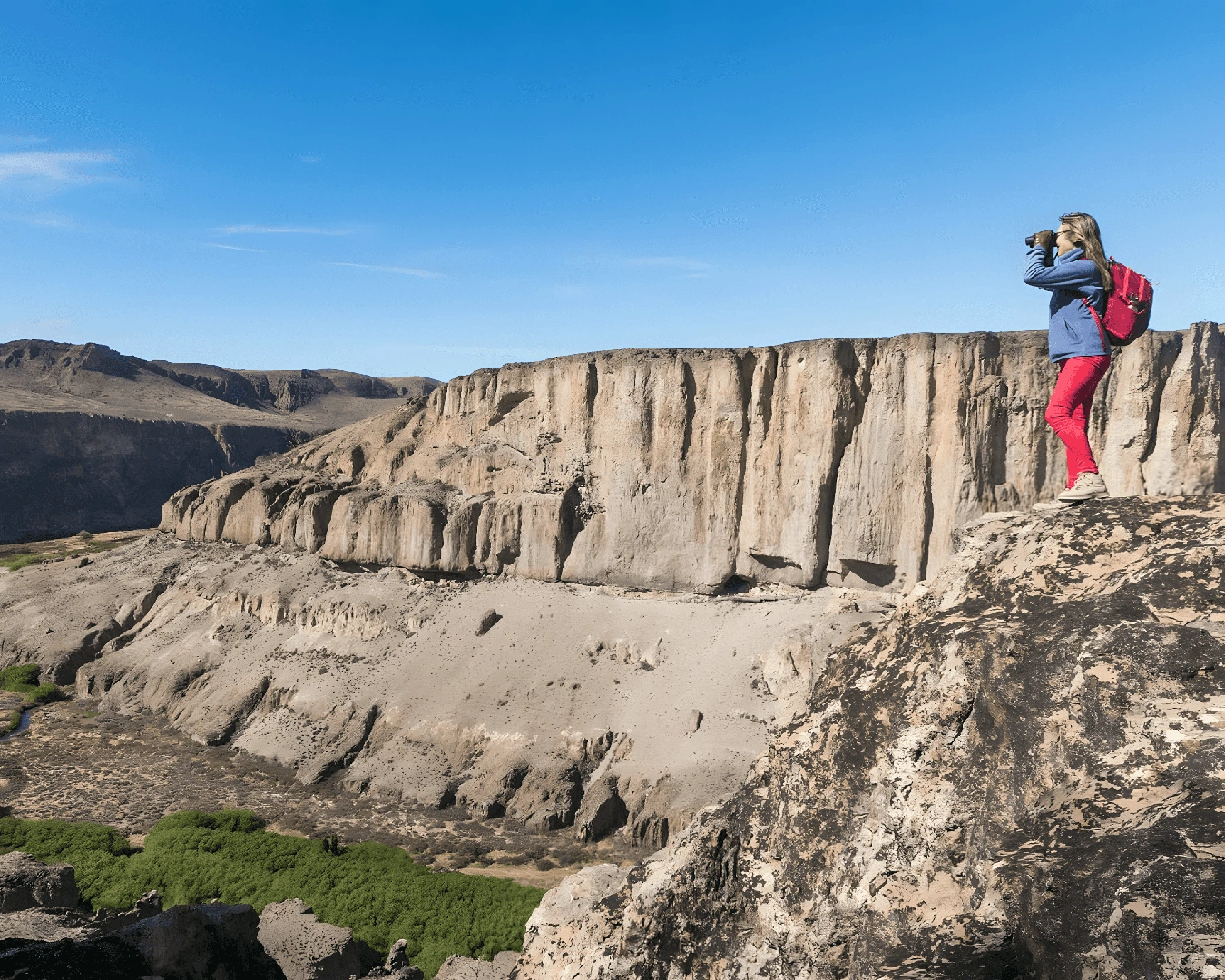
Laguna Blanca National Park (Neuquén). Source: www.argentina.gob.ar
National parks of Southern Patagonia
Patagonia National Park (Santa Cruz): the hidden gem
Officially created in 2015, Patagonia National Park is one of the country's youngest and least known parks — and precisely because of that, one of the most incredible to visit today. It offers nature in its purest state, without crowds. Here the protagonists are the canyons, the plateaus, the wildlife (guanacos, pumas, condors and more) and the chance to hike kilometers of trails in near solitude.
Around the publicly administered national park extends Parque Patagonia, a conservation project driven by Fundación Rewilding Argentina that expands visiting possibilities with trails, access portals, lodging and services. Together they protect the Patagonian steppe and work on recovering species and ecosystems to restore the landscape to its original fullness.
Los Glaciares National Park (Santa Cruz)
The most famous of all and also a World Heritage Site. It is home to the celebrated Perito Moreno Glacier and, at its northern end, the town of El Chaltén, Argentina's trekking capital, with Cerro Fitz Roy and Laguna de los Tres, among other internationally known peaks.
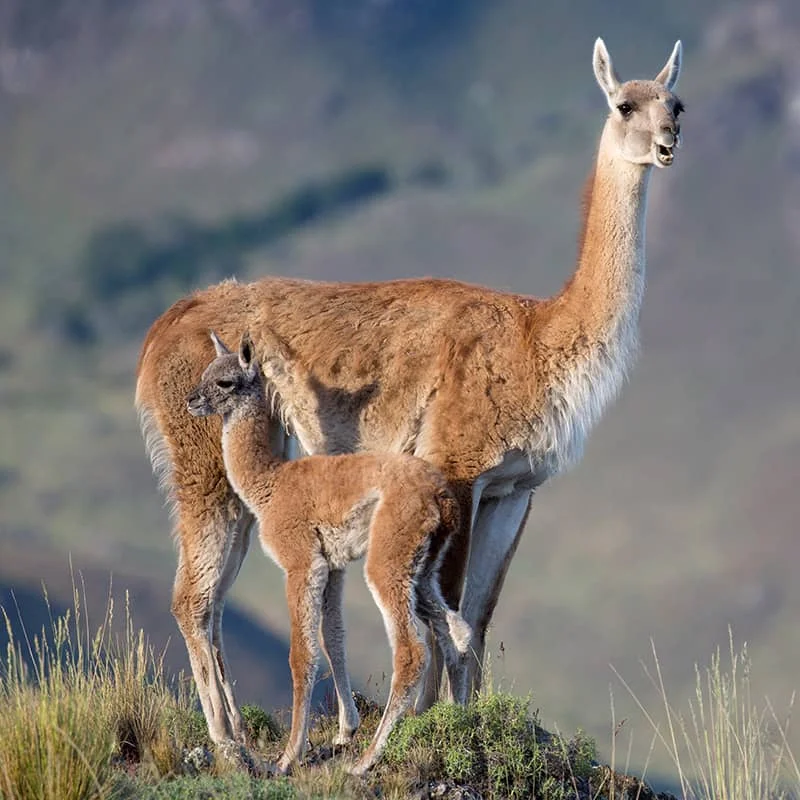
Los Glaciares National Park (Santa Cruz). Source: www.parquesnacionales.com.ar
Tierra del Fuego National Park (Tierra del Fuego)
Argentina's southernmost park, a few kilometers from Ushuaia, "the city at the end of the world". Forests that reach the sea, peat bogs, beaver dams and the end of the legendary National Route 3.
Tierra del Fuego National Park (Tierra del Fuego). Source: www.argentina.gob.ar
Monte León National Park (Santa Cruz)
Argentina's first coastal-marine national park on the mainland. Cliffs, penguin colonies, sea lions and immense beaches on the Atlantic Ocean. It also protects cormorant colonies.
Monte León National Park (Santa Cruz). Source: www.argentina.gob.ar
Bosques Petrificados de Jaramillo National Park (Santa Cruz)
A journey back in time: petrified tree trunks from approximately 150 million years ago, remains of forests that existed before the Andes rose. A lunar landscape in the middle of the steppe, this forest is one of the most important petrified tree deposits in the world.
Bosques Petrificados de Jaramillo National Park (Santa Cruz). Source: www.argentina.gob.ar
Perito Moreno National Park (Santa Cruz)
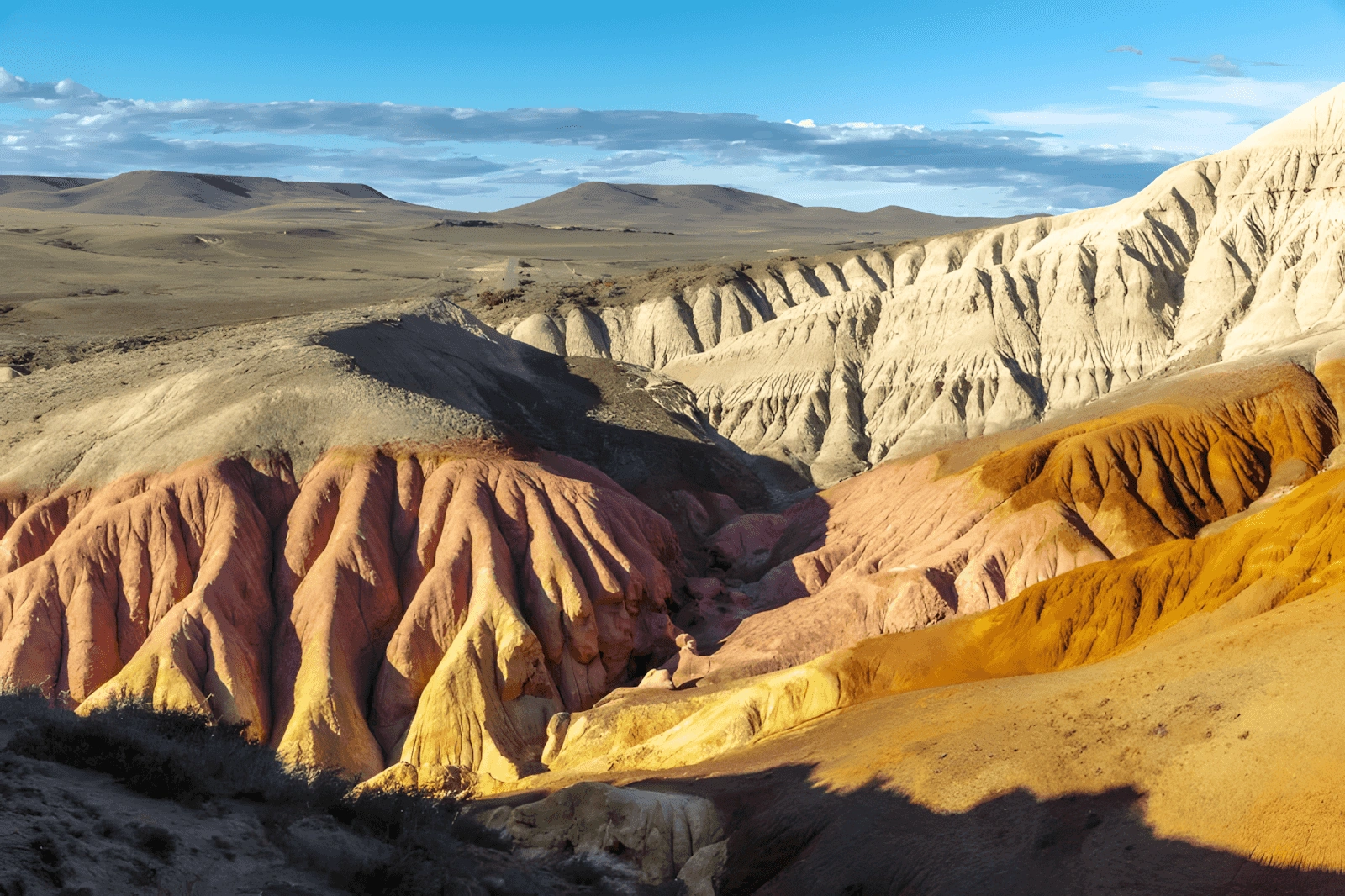
One of the country's most remote and least visited parks, in the heart of the Santa Cruz steppe. Colorful lakes, red sierras and a feeling of absolute isolation that captivates nature travelers. One of the best places in the country to observe huemuls (not to be confused with the Perito Moreno Glacier, which is in Los Glaciares).
We cover everything about combining visits to both parks in our guide Perito Moreno National Park and Parque Patagonia.
Perito Moreno National Park (Santa Cruz). Source: www.parquesnacionales.com.ar
Why visit Parque Patagonia
This park is one of the hidden gems of Argentine Patagonia.
There are many reasons, but here are the top 5:
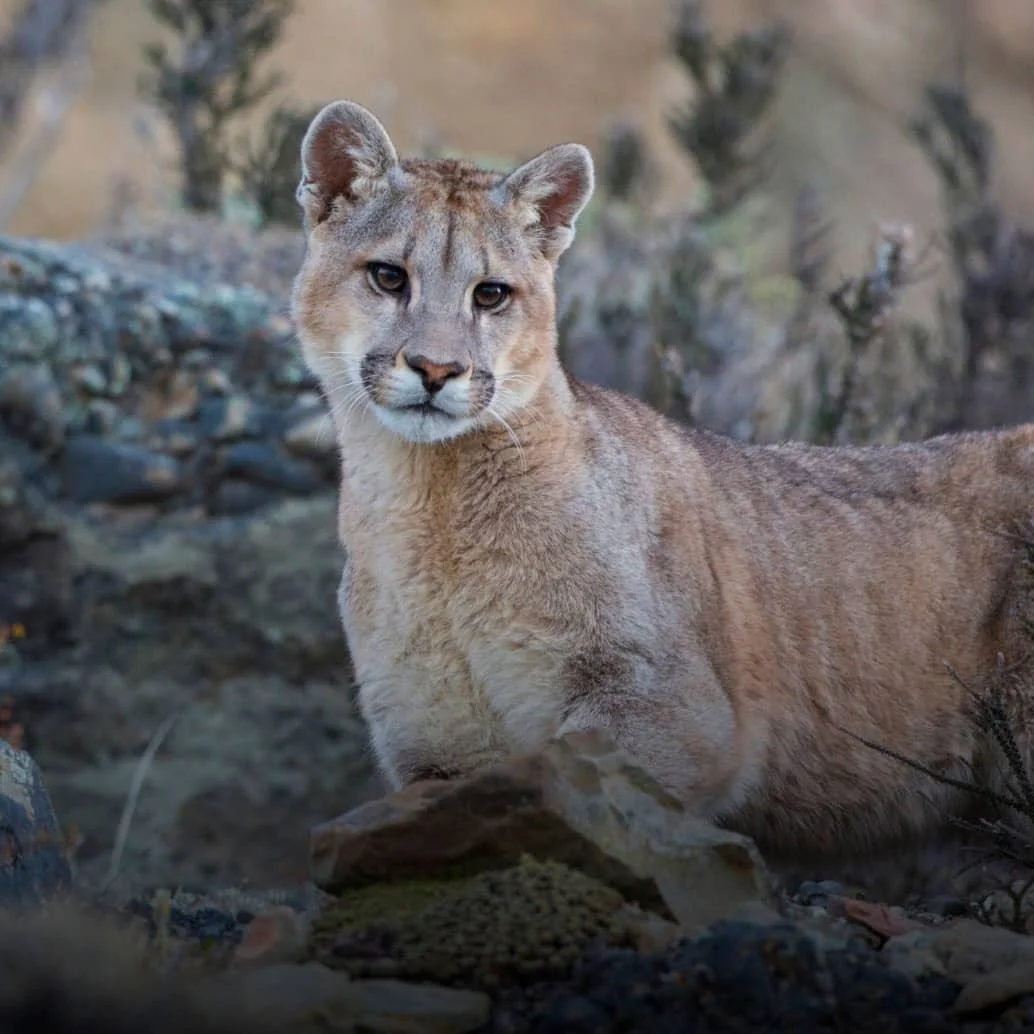
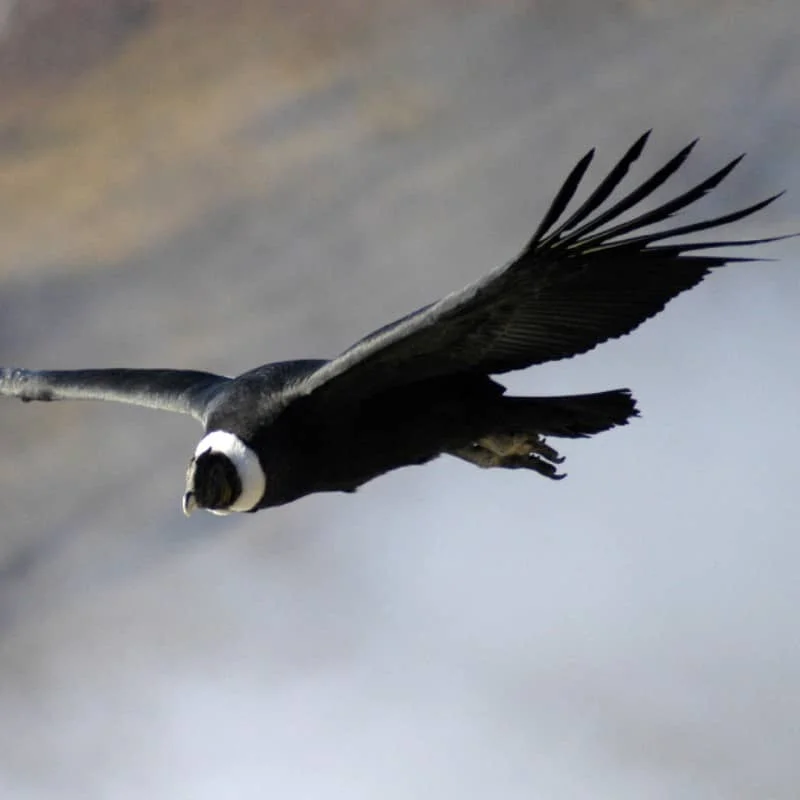
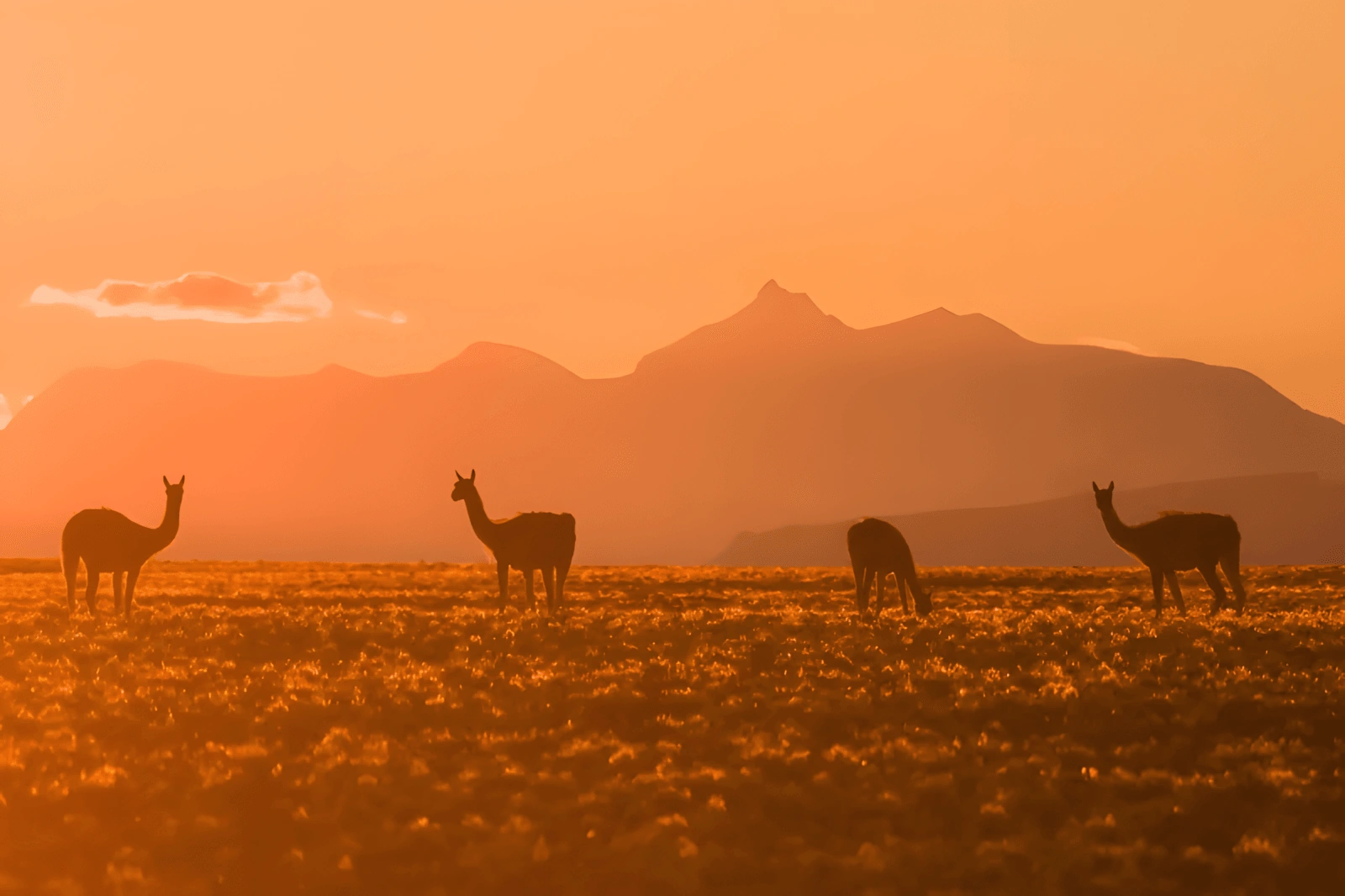
- For wildlife watching: During a visit it's common to find guanacos, rheas, foxes, Andean condors, black-chested buzzard-eagles and flamingos (depending on the season). And with patience and a bit of luck, you may also spot the park's great icon: the puma, star of one of the region's most important conservation projects.
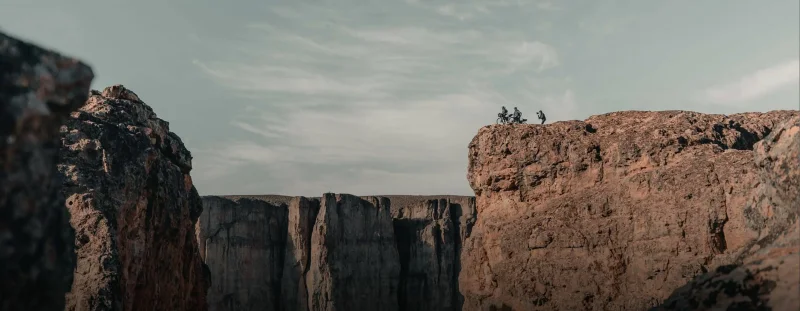
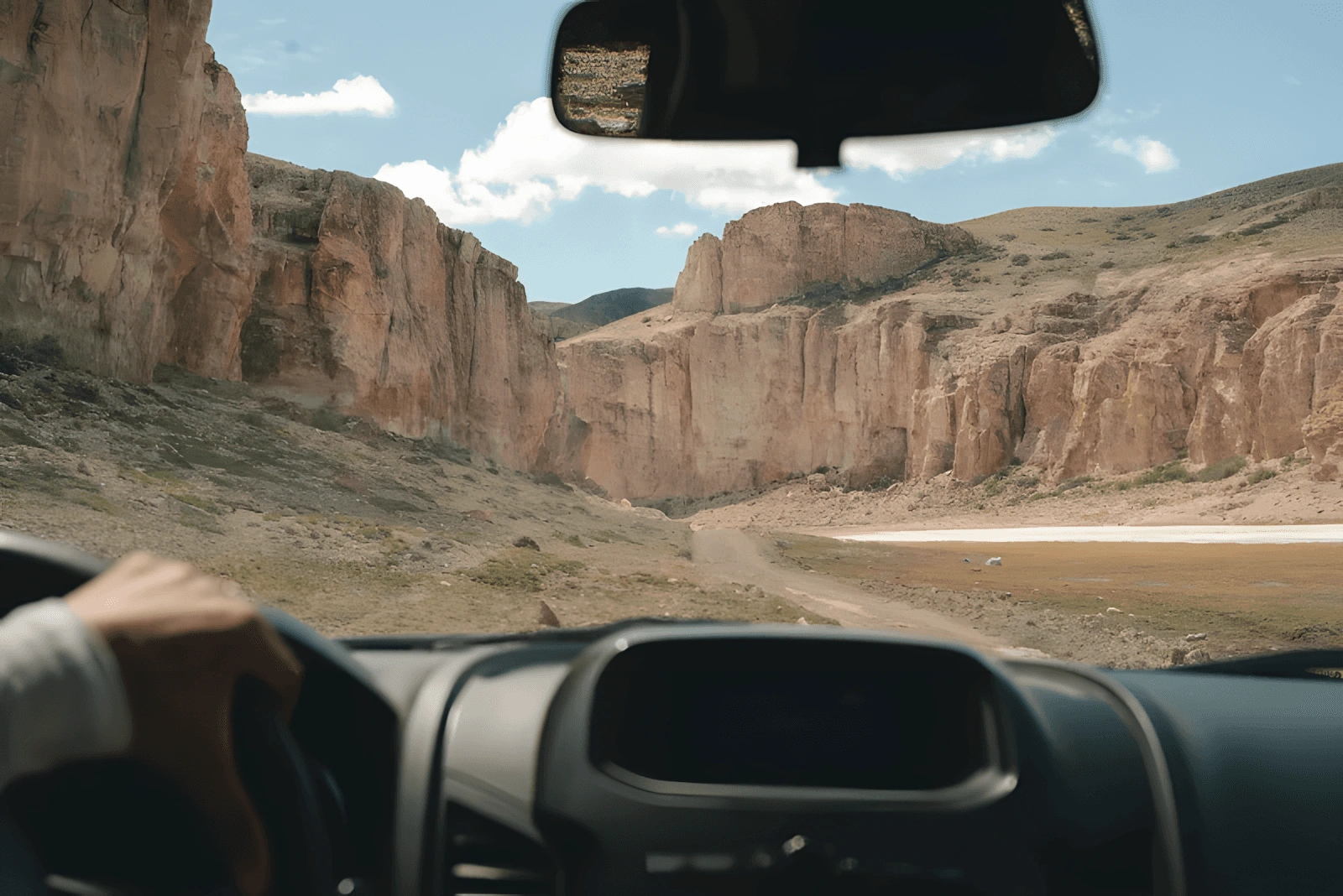
- For the landscapes: The Parque Patagonia canyons are among the most photographed landscapes (at Cañadón Caracoles there are more than 60 routes for climbing, and Cañadón Pinturas is probably the most photogenic canyon in Patagonia).
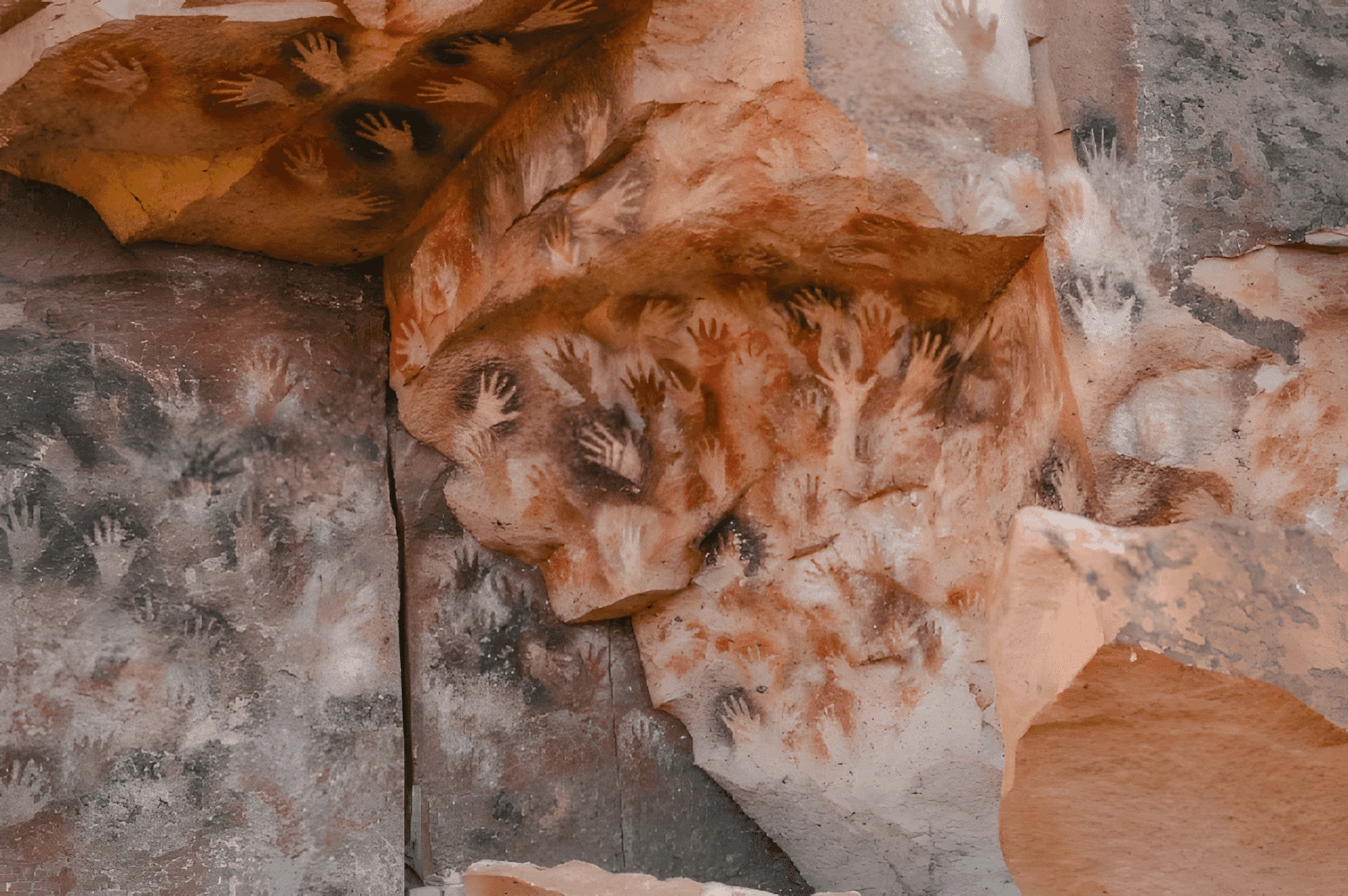
- For the archaeological sites: The Cueva de las Manos — rock art over 9,000 years old, a UNESCO World Heritage Site within the park's area of influence — and Alero Charcamata, with 30 meters of rock paintings.
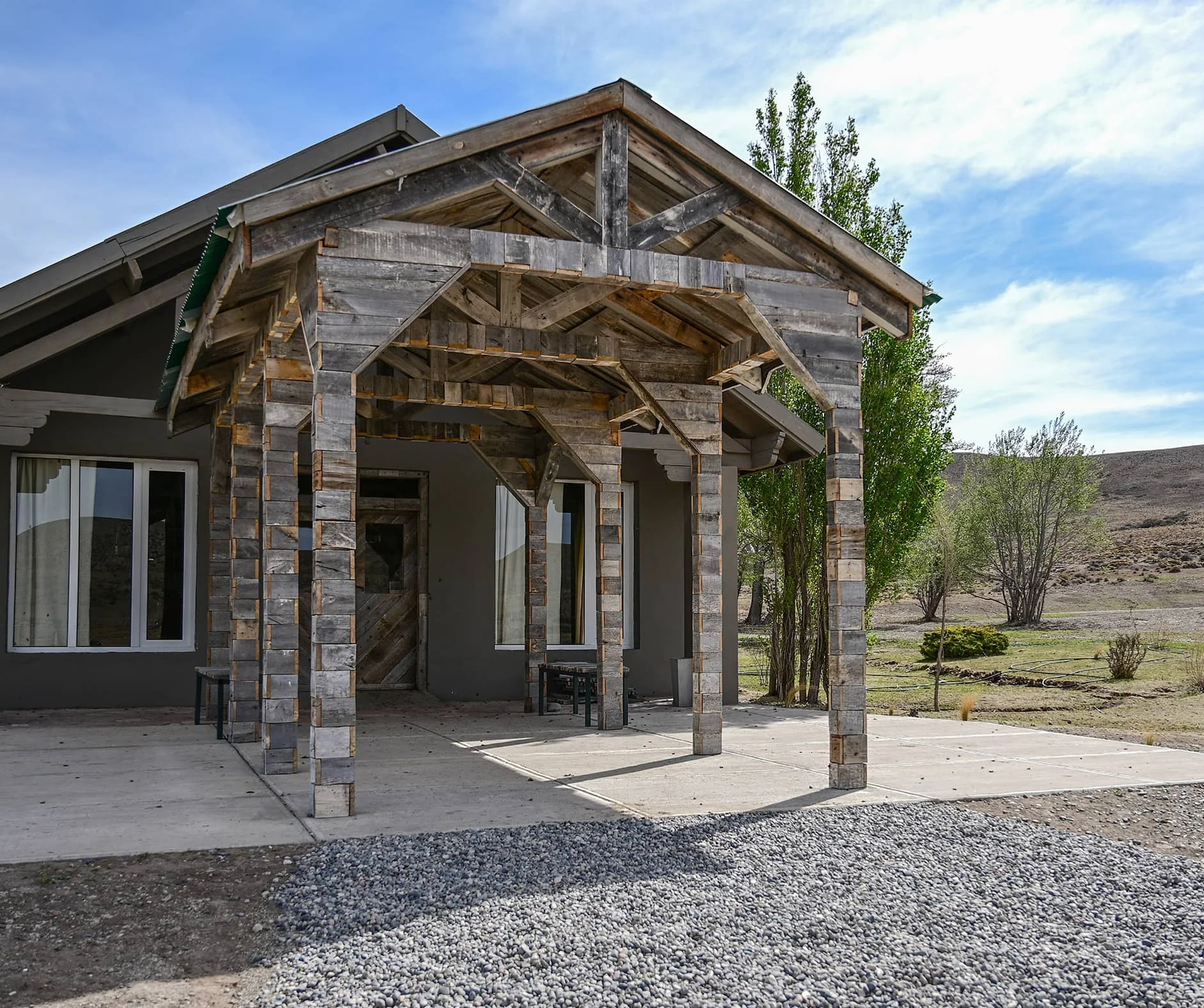
- For everything there is to do: Rock climbing (for experts and beginners), hiking (with some of the most beautiful trails in Patagonia), astrotourism (with its own planetarium), puma, rhea and guanaco watching, photographic safaris and more.
Things to do in Parque Patagonia
If you're looking for an authentic nature destination, far from the busiest routes but still offering a variety of activities, this is your place.
- Cueva de las Manos, rock art over 9,000 years old declared a UNESCO World Heritage Site, within the park's area of influence. (Here's how to get there from Perito Moreno and Comodoro Rivadavia.)
- An extensive network of self-guided trails lets you explore the steppe, canyons, natural lookouts and ancient volcanic formations. In this corner of Patagonia there are short walks for the whole family (from 600 meters) and more demanding routes of around 25 km for those seeking bigger challenges. Discover all the options on the hiking page.
- Native wildlife watching: guanacos, rheas, condors and — with luck and patience — the puma, protagonist of the region's rewilding.
- Climbing at Portal Cañadón Caracoles, on Route 40, a landscape of volcanic walls over 200 meters high. There are two sectors: Huemules, the main one, with more than 60 sport climbing routes, trails and walkways, reached by vehicle; and El Almendra, which shelters a spring under restoration. Routes range from 10 to 56 meters and offer options for different levels, on solid rock in an environment of absolute silence. The site was developed from 2010 by the Club Andino Pari Aike and today proposes a unique concept: regenerative climbing, where sport coexists with ecosystem recovery. The portal has camping areas, a fire pit and trails, and is also the access point to the Cueva de las Manos Provincial Park.
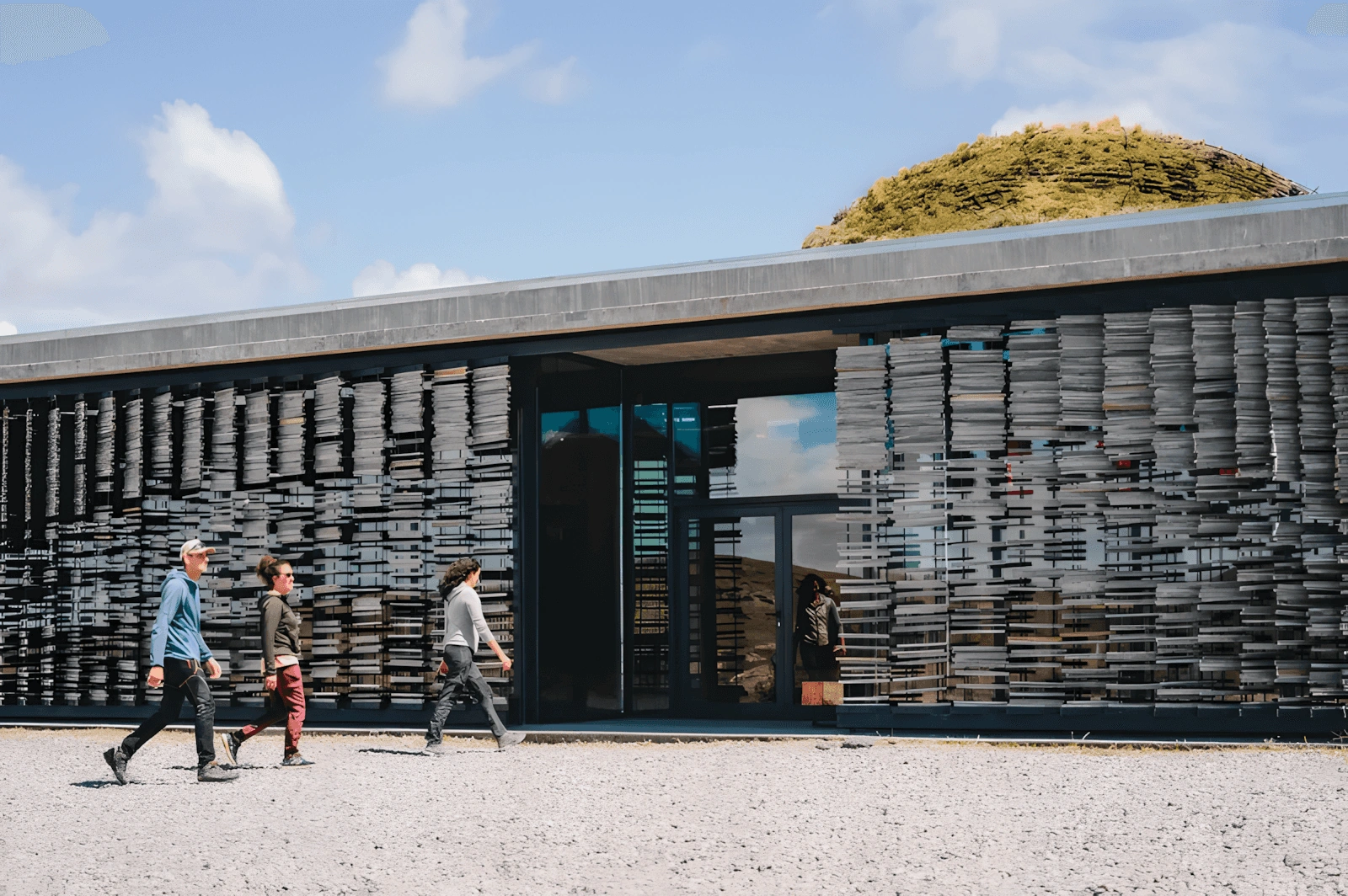
- Astrotourism: The scarce light pollution makes the Patagonian sky another great protagonist of the trip. You can also visit the Interpretation Center and the Planetarium.
- Guided activities: Parque Patagonia also offers different guided experiences — check them out here.
How to get to Parque Patagonia
Parque Patagonia has different access portals that let you discover very different landscapes. The most visited are La Ascensión, Cañadón Pinturas and El Sauco. Depending on the sector you want to explore, access combines National Route 40 with provincial routes and gravel roads. Its access portals are connected by provincial routes; Portal La Ascensión, for example, is 20 km from Los Antiguos and 40 km from Perito Moreno.
Find route details, distances and access in the How to Get There guide.
When to visit
The best time to visit the parks of southern Patagonia is October to April, during spring and summer, when days are longer and wildlife is more active.
What to pack
Patagonian weather is changeable and wind is the protagonist, so come prepared: layered clothing, a windbreaker, trekking shoes, sunscreen, a hat and plenty of water. Review all the advice before leaving in our visit recommendations.
What's nearby
Parque Patagonia is an excellent starting point for a circuit through the Santa Cruz steppe. Nearby you'll find the town of Perito Moreno, the village of Los Antiguos on the shores of Lago Buenos Aires, and Cueva de las Manos itself. If you want to explore with local guides, check the guided activities and the where to stay options.
Frequently asked questions
Argentine Patagonia has 13 national parks: Nahuel Huapi, Los Arrayanes, Lanín, Laguna Blanca, Lago Puelo, Los Alerces, Islote Lobos, Los Glaciares, Perito Moreno, Patagonia, Monte León, Bosques Petrificados de Jaramillo and Tierra del Fuego.
Patagonia National Park and Perito Moreno National Park, both in Santa Cruz, are among the least visited, making them ideal for those seeking nature without crowds.
Parque Nacional Patagonia is a publicly administered protected area created in 2014. Around it, the Parque Patagonia project (Fundación Rewilding Argentina) adds trails, lodging and visitor services.
It's on National Route 40, 54 km south of Perito Moreno (Santa Cruz). Check routes and access on the How to Get There page.
The best time to visit Parque Patagonia is during the southern hemisphere summer months (November to March). The weather is warmer, days are longer, skies are clearer and vegetation is at its peak. Spring also has its charm, bringing tiny flowers and intense scents, and winter offers a different landscape with the chance to spot wildlife by following tracks in the snow.
Yes, entry to Parque Patagonia's Cañadón Pinturas and Cueva de las Manos portals has a single fee of AR$10,000. Access is free for Santa Cruz residents, retirees and children under 12, with the corresponding documentation. You can pay by card or bank transfer when registering at the information centers.