Perito Moreno National Park and Parque Patagonia: What to See, How to Get There and Everything You Need to Know
When people talk about national parks in Santa Cruz, most travelers immediately think of Los Glaciares National Park, home to the famous Perito Moreno Glacier and the trekking trails of El Chaltén. However, a very common question arises among lovers of untouched nature: what national parks are near El Calafate? What other national parks are there in Santa Cruz?
Santa Cruz guards in its geographic heart two untamed sanctuaries offering a completely different, wild and crowd-free alternative: Perito Moreno National Park and the Parque Patagonia conservation project. Both protect some of the province's most spectacular landscapes and offer very different experiences from the better-known destinations. Mountain lakes, Patagonian steppe, canyons, wildlife, uncrowded trails and a deep connection with nature are part of what makes this region special.
If you're planning a vacation in Santa Cruz, this guide will help you understand what each offers, how to get there and why they're worth including in your itinerary to discover a more authentic Patagonia.
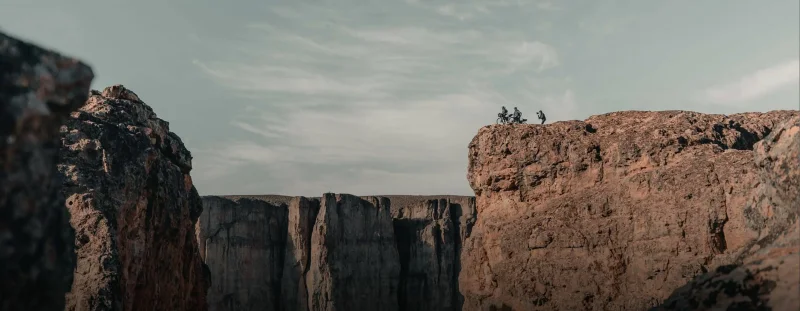
Source: www.argentina.gob.ar
Perito Moreno National Park: Everything you need to know for 2026
The first thing to clarify, to avoid a classic logistical mistake, is that Perito Moreno National Park has nothing to do with the famous glacier (which is hundreds of kilometers away in another protected area). This park is, in fact, one of the most remote, isolated and least visited destinations in all of Argentina — ideal for those seeking an experience of absolute solitude in communion with nature. It was created in 1937 and is one of Argentina's oldest national parks.
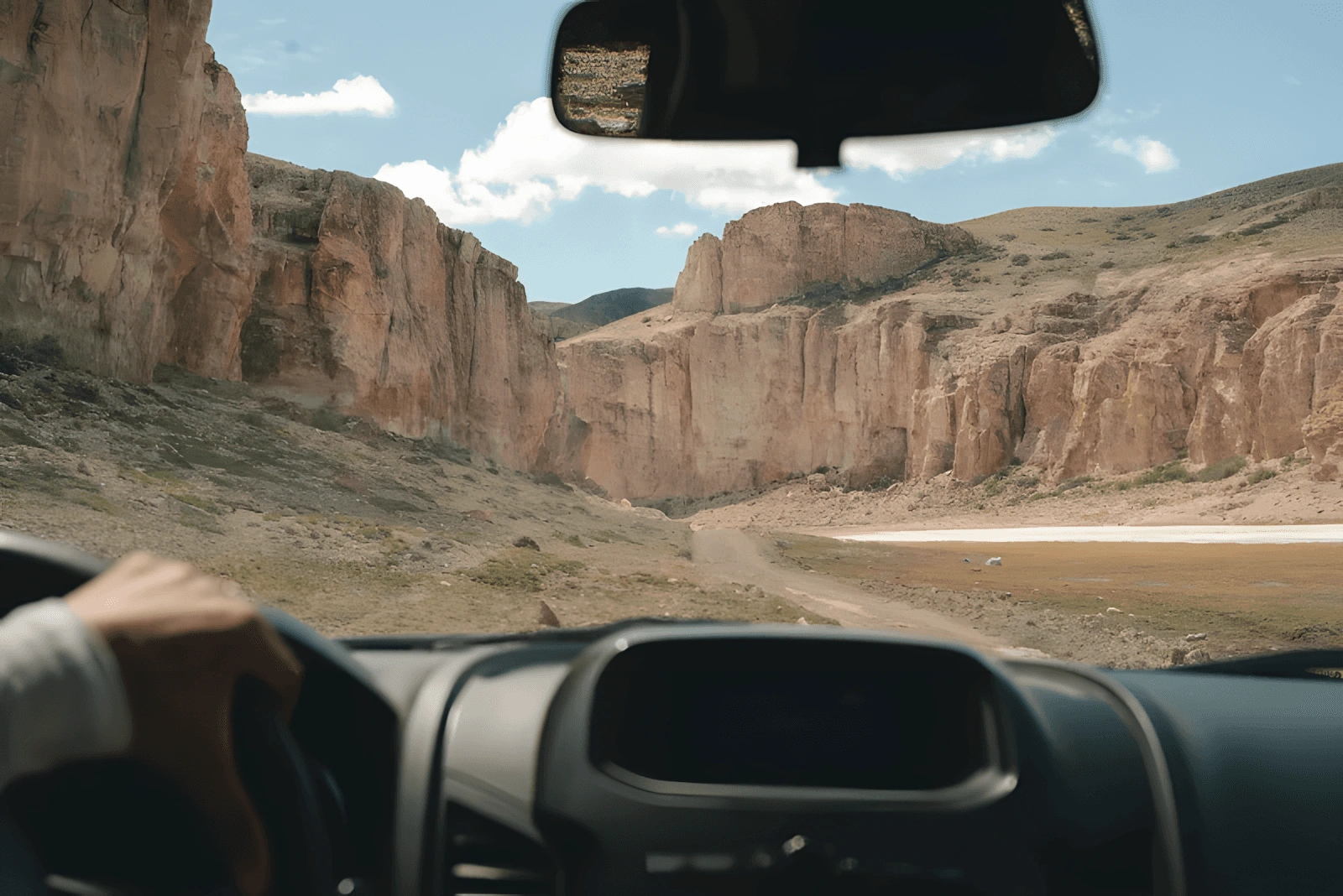
Source: Inprotur
What to see in Perito Moreno National Park?
The landscape here is imposing and dramatic, characterized by a succession of large turquoise and glacial-milk lakes (glacial sediment), such as Belgrano, Azara and Burmeister, fed by meltwater from the Andes. It's framed by the silhouettes of the red sierras and the imposing Cerro San Lorenzo.
It has trails for all levels, from short, low-difficulty walks (like the circuits around the Lago Burmeister area or the El Rincón ranger station) to multi-day treks in the deepest reaches of the cordillera. The highlight of its biodiversity is that it constitutes one of the last and safest population refuges of the huemul, Patagonia's native deer, which is critically endangered and can be observed here patiently in its natural habitat.
Among the most notable places are:
- Lakes Belgrano, Burmeister and Nansen, surrounded by mountains and steppe.
- Trails crossing glacial valleys and natural lookouts.
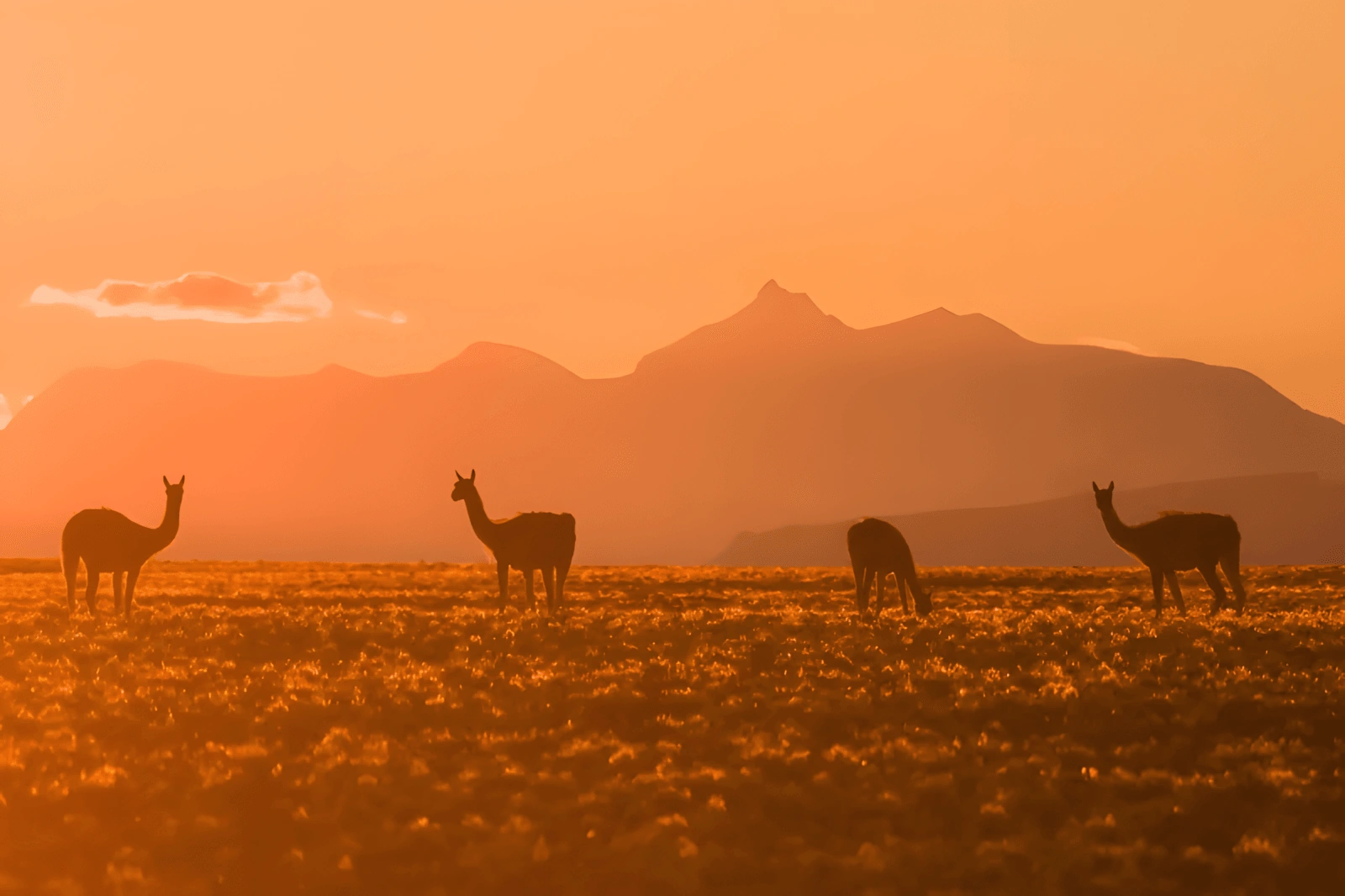
- The chance to see Patagonian wildlife in the wild, including guanacos, condors, foxes, rheas and, occasionally, huemuls.
- Camping areas and ideal spots for birdwatching.
The park is especially attractive for those who enjoy hiking, nature photography and traveling off the beaten path.
How to get to Perito Moreno National Park?
The town that serves as the main logistics gateway is Gobernador Gregores (about 220 km away). From there you travel National Route 40 north and then take Provincial Route 37 (a very lonely 90 km consolidated gravel road). It's mandatory to enter with a full fuel tank, a spare tire and provisions, since there are no supply services along the way. In the park there are no stores, no canteens, no cell signal at any point, and distances between shelters are long. Everyone must carry their own food, a heater (open fires are prohibited), a technical sleeping bag and a first-aid kit.
Parque Patagonia: the authentic alternative and nature production
Unlike the strict isolation of Perito Moreno, Parque Patagonia (which integrates the public area of Patagonia National Park with the public-access portals of Fundación Rewilding Argentina) positions itself as an innovative model where top-tier tourist infrastructure and ecological restoration coexist in harmony. It's the perfect alternative for travelers seeking abundant wildlife and incredible landscapes with more accessible and varied logistics.
What to see in Parque Patagonia?
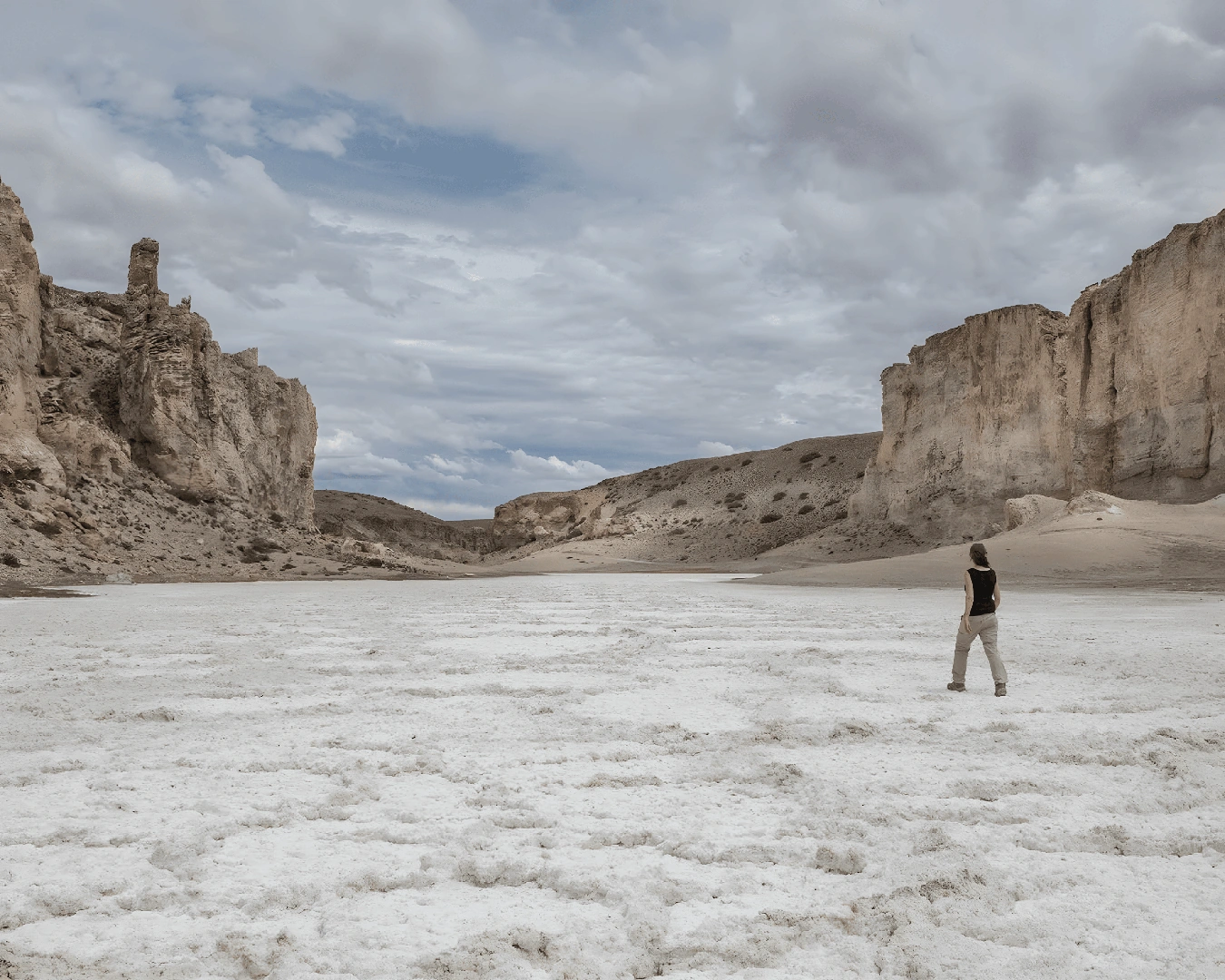
If Perito Moreno Park is the kingdom of turquoise lakes and huemuls, Parque Patagonia is the land of canyons and home of the puma.
Among its must-sees:
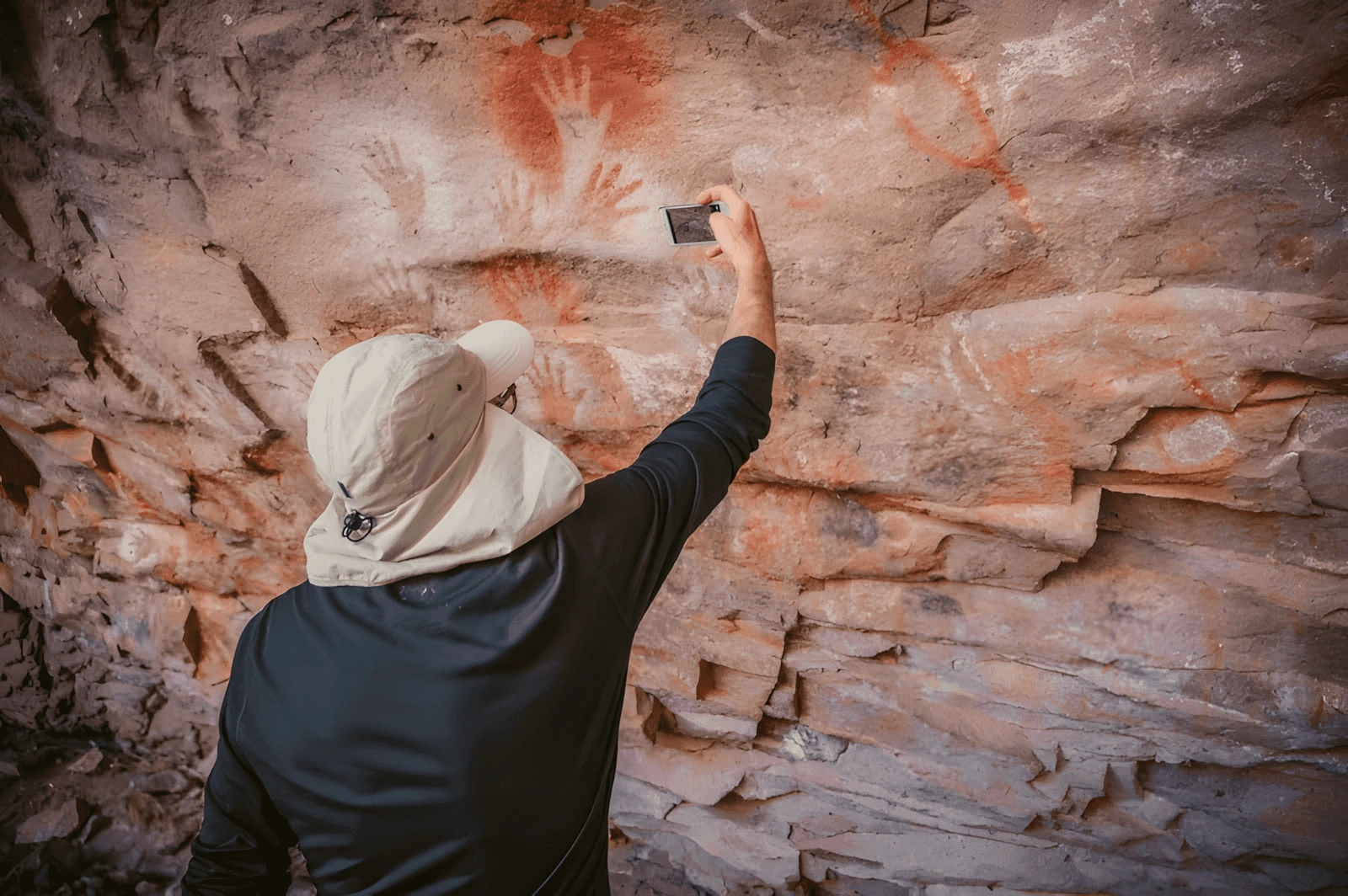
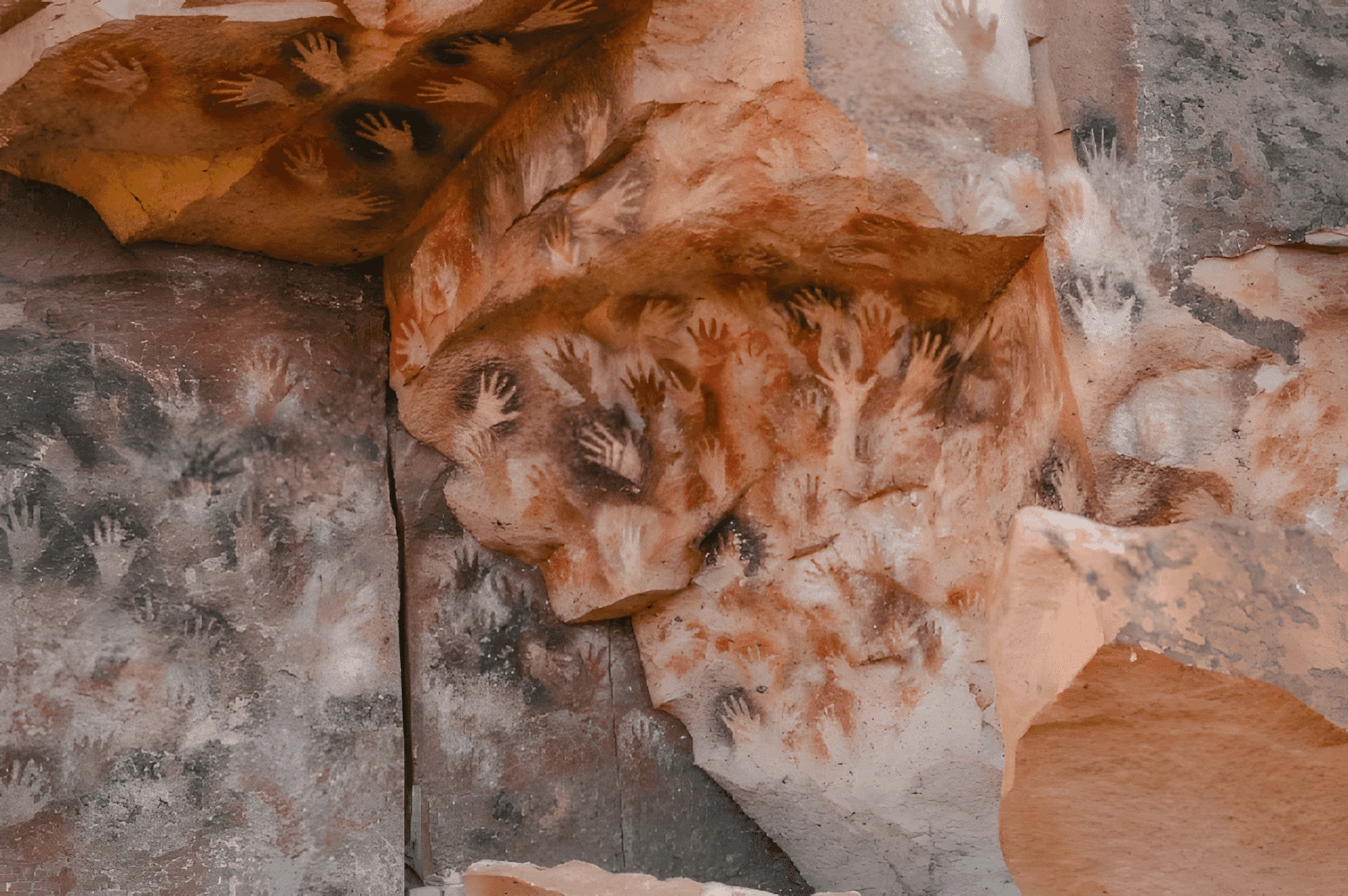
- Portal Cañadón Pinturas and Cueva de las Manos: A few kilometers away is Cueva de las Manos, a UNESCO World Heritage Site. Its famous rock paintings, made more than 9,000 years ago, represent one of South America's most important cultural testimonies.
www.parquepatagoniaargentina.org
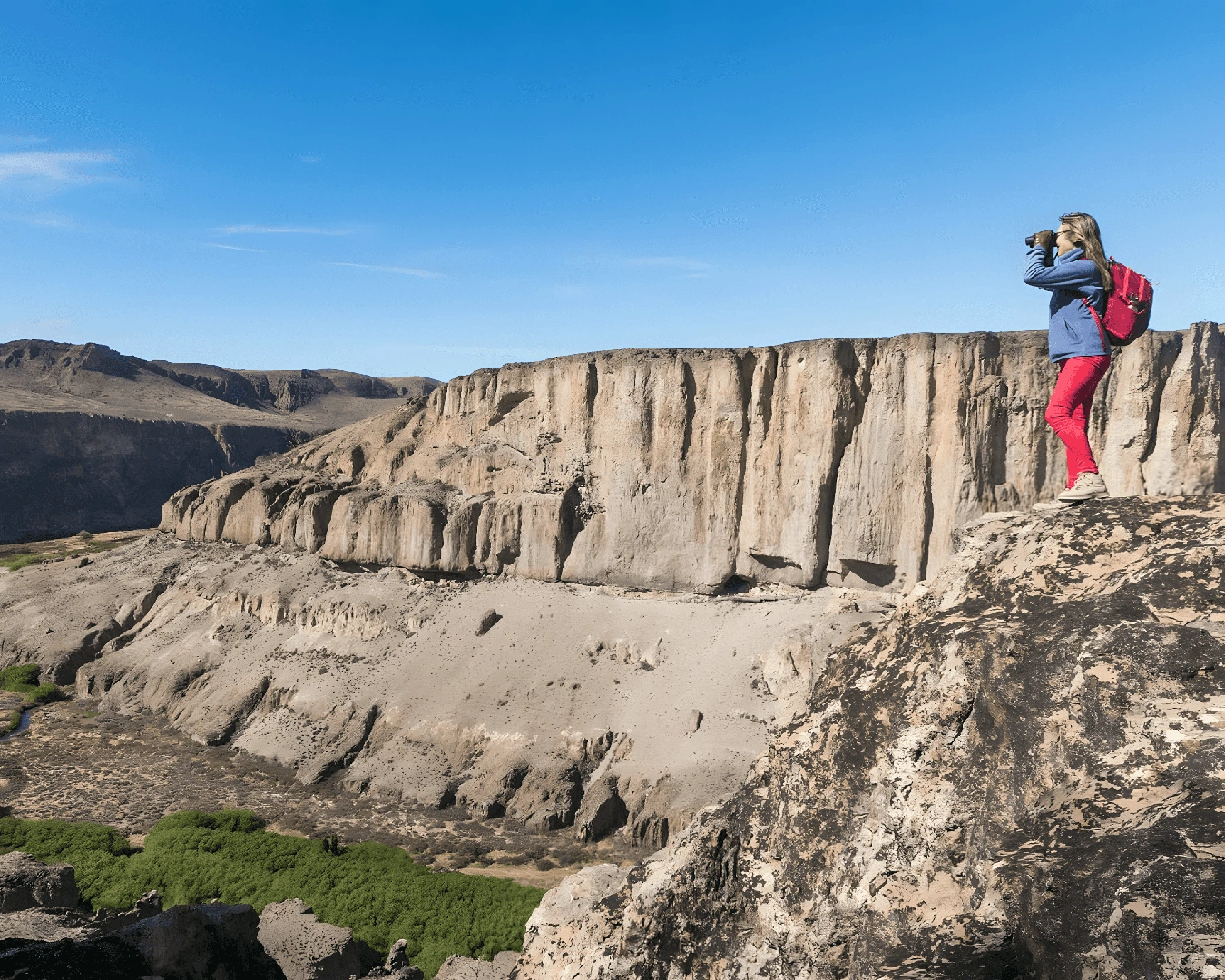
- Portal Cañadón Caracoles: A rock-climbing mecca with 200-meter Jurassic walls. One of Parque Patagonia's most distinctive features is its landscape of deep canyons carved by ancient glacial and fluvial processes. These environments concentrate much of the region's biodiversity and offer some of the park's most spectacular routes. Through access portals like Cañadón Pinturas and Cañadón Caracoles, visitors can venture into a territory where wetlands, rocky walls, archaeological sites and an extraordinary variety of wildlife coexist.
www.parquepatagoniaargentina.org
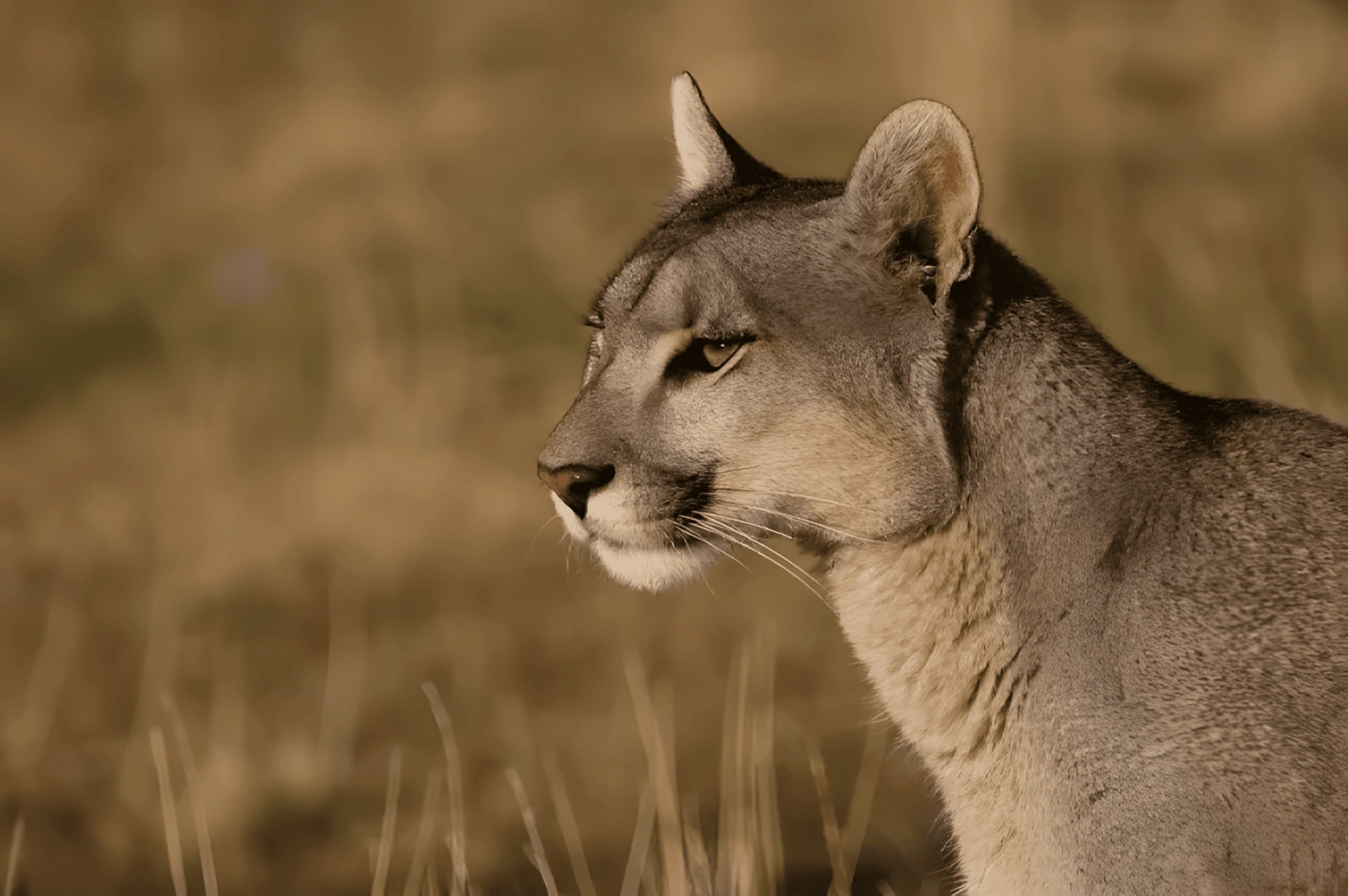
- Active wildlife watching: Thanks to environmental management, it's the best place in Santa Cruz to see guanaco herds, rheas, black-chested buzzard-eagles, chinchillones and Andean condors, with the active option of a guided photographic safari focused on pumas. The region is renowned for its puma conservation and monitoring work, one of Patagonia's great icons.
www.parquepatagoniaargentina.org
How to get to Parque Patagonia?
The logistics are notably friendlier. Its main portals sit directly on the paved route of National Route 40 (Portal Pinturas 54 km south of the city of Perito Moreno, and Portal Caracoles at the turn-off to Cueva de las Manos). In addition, Portal La Ascensión is on paved RP 43, just 17 km from Los Antiguos and the shores of the majestic Lago Buenos Aires.
Comparison guide: which one to choose for your trip?
Features |
Perito Moreno National Park |
Parque Patagonia |
Traveler profile |
Seekers of absolute isolation, long-trek backpackers and lovers of Andean lake geography |
Authentic nature travelers looking to combine hiking, abundant wildlife, astrotourism and cultural archaeology |
Logistics |
Requires total autonomy on long gravel roads and strict fuel planning |
Direct access from main paved routes (RN 40 and RP 43) and proximity to service towns |
Iconic fauna |
The huemul and the waterbirds of the glacial lakes |
The puma, the hooded grebe, rheas, Andean condors and guanaco herds |
Infrastructure |
Wilderness: APN's free mountain shelter network and primitive campgrounds |
Campgrounds with showers, shelters with kitchens, a top-level lodge and an interactive Interpretation Center with Planetarium |
While Perito Moreno National Park gives you the mystique of the world's unexplored edges, Parque Patagonia stands out as an alternative where you can connect deeply with the untamed steppe through an accessible, comfortable trail network deeply enriched by the history of its canyons. Both destinations represent the pure essence of Patagonia's least crowded national parks.
www.parquepatagoniaargentina.org
Frequently Asked Questions
North of El Calafate, heading up the legendary National Route 40, the two closest and most accessible national parks are Perito Moreno National Park and Patagonia National Park. Although distances in Santa Cruz are long, both destinations form the ideal circuit for travelers looking to escape saturated tourist routes in search of a real nature experience.
Yes, they can be connected by vehicle via National Route 40, which allows for a spectacular ecotourism circuit through northwestern Santa Cruz. If you're driving through Patagonia, a great option is to head up from El Calafate, enter Perito Moreno National Park first via RP 37, and then continue north on Route 40 to explore the different Parque Patagonia portals between the towns of Bajo Caracoles, Perito Moreno and Los Antiguos.
The ideal window to explore both areas runs from October to April, matching the summer season when days are long and trails are clear — a key guideline if you're planning when to go to Patagonia. As for fees, entry to Perito Moreno National Park is free. In Parque Patagonia, entry to the Cañadón Pinturas and Cueva de las Manos portals has a single fee of AR$10,000, payable by card or bank transfer when registering at the information centers. Access is free for Santa Cruz residents, retirees and children under 12 with the corresponding documentation.