Parque Nacional Patagonia and Parque Patagonia Argentina: Updated Guide 2026
In northwestern Santa Cruz province, where the vastness of the steppe seems endless, you'll find immense canyons, glacier-sculpted plateaus, wetlands teeming with wildlife and trails where silence is broken only by a condor's flight or a passing guanaco. On National Route 40, it's the gateway to an authentic Patagonia, far from mass-tourism circuits.
What is Parque Nacional Patagonia and how does it differ from Parque Patagonia?
When planning a trip through this corner of National Route 40, it's common to run into recurring confusion between two nearly identical-sounding terms that represent complementary protection models: Parque Nacional Patagonia and Parque Patagonia Argentina. Parque Nacional Patagonia is a public reserve administered by the Administración de Parques Nacionales (APN), created to conserve one of the most representative regions of the Patagonian steppe. Around it extends Parque Patagonia itself, a publicly accessible protected area managed by Fundación Rewilding Argentina that complements that conservation with visitor infrastructure, trails, interpretation centers, campgrounds, access portals and ecological restoration projects.
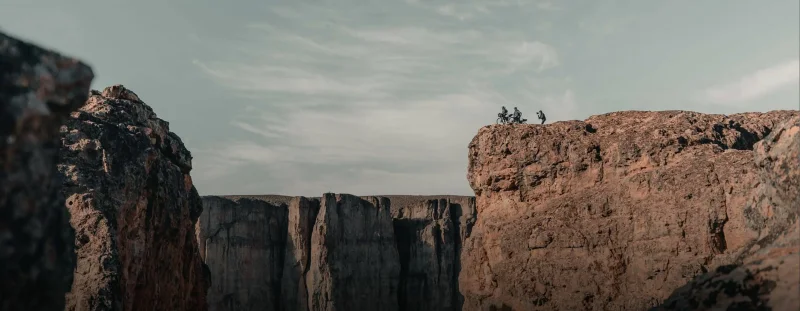
Together they span over 200,000 hectares devoted to restoring ecosystems and offering nature tourism where biodiversity coexists with hiking, wildlife watching and archaeological heritage. Note that it should not be confused with Chile's Patagonia National Park, located on the other side of the Andes.
To understand the importance of this park in Patagonia, you can read our article on the national parks of Patagonia, which describes all the national parks in Argentine Patagonia today.
A bit of history on how the Parque Patagonia landscape was formed: geological origin
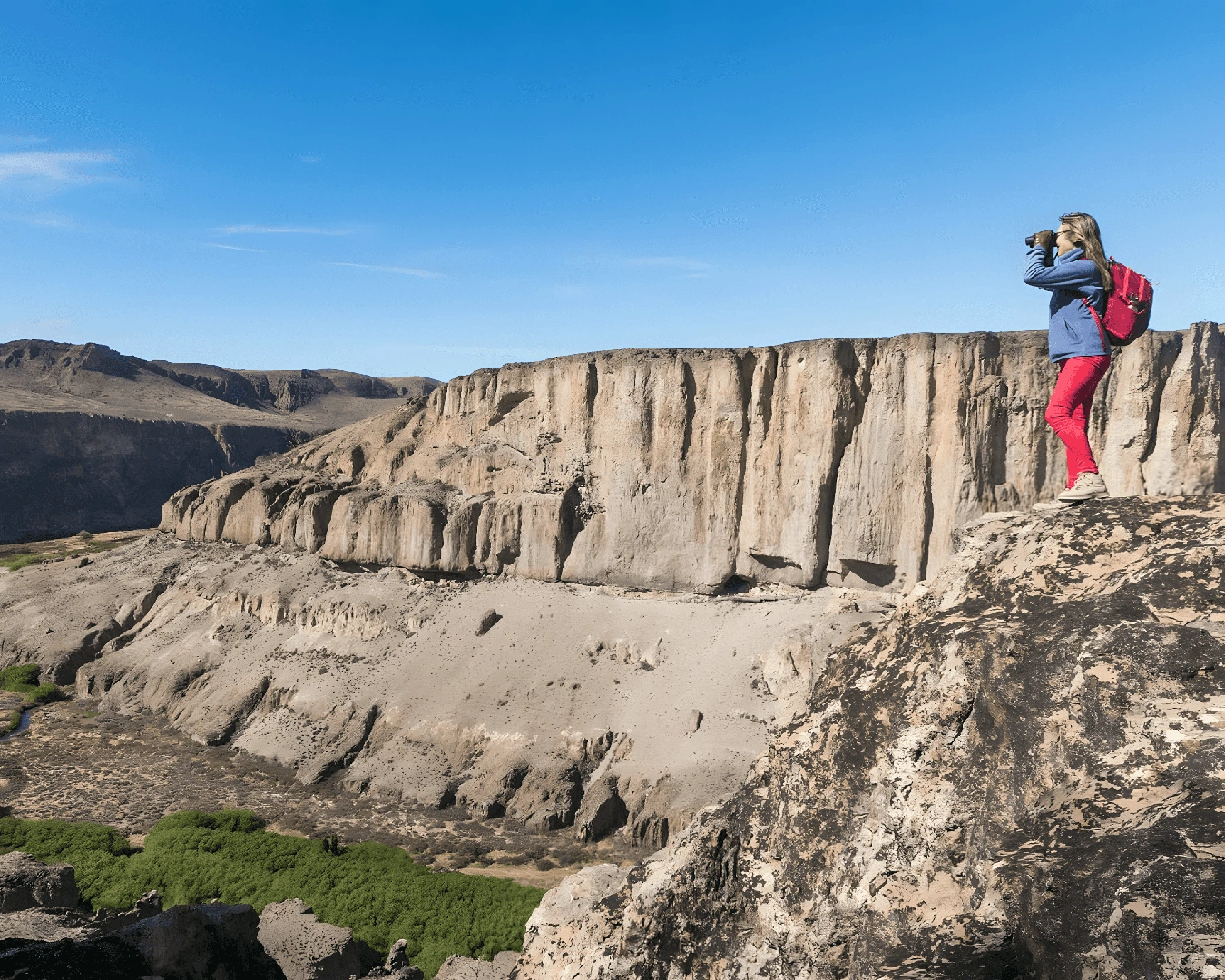
The landscape that amazes travelers today began taking shape about 5 million years ago. Huge successive basalt flows covered much of the Santa Cruz region, cooling beneath the surface and giving rise to the imposing highlands known today as Patagonian plateaus. Later, millennia of glaciation acted like giant chisels eroding the terrain, carving the deep valleys and clay canyons that characterize the area and give it its overwhelming grandeur.
What to do in Parque Nacional Patagonia?
The main reason to visit Parque Patagonia is to explore a different Patagonia: lesser known, with few visitors and an enormous diversity of landscapes and experiences. The park has more than 80 kilometers of trails spread across its different access portals. There are low, medium and high difficulty routes crossing canyons, plateaus, wetlands and natural lookouts. To explore them in an organized way, the destination is divided into clearly differentiated access portals.
Portal La Ascensión: the climb to the plateau
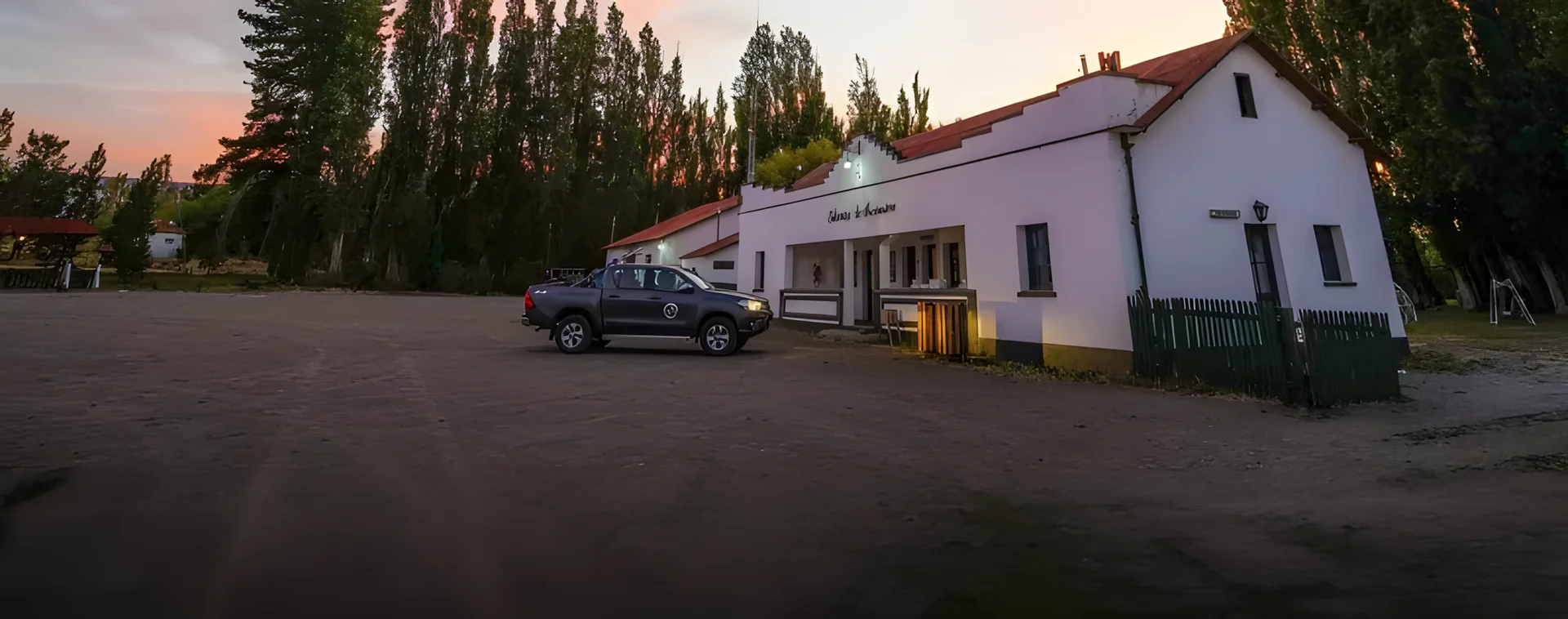
Located on the shores of Lago Buenos Aires (near the town of Los Antiguos), this APN portal operates in the historic ranch buildings of a 1912 sheep station. It's the epicenter of high-mountain trekking in the region. The featured circuit is the Meseta del Lago Buenos Aires Trail (17 km, high difficulty), a trek that climbs to the great basaltic plateau — an area considered one of the ideal places for trekking in Patagonia.
Hiker infrastructure at this portal is first-rate: it has three shelters run by Parques Nacionales — Área Caburé, Puesto Amarillo and Puesto El Rincón — all equipped with a wood stove or fireplace and camping area, ideal for resting before or after the ascent to the plateau.
Portal El Sauco: the steppe in its purest form
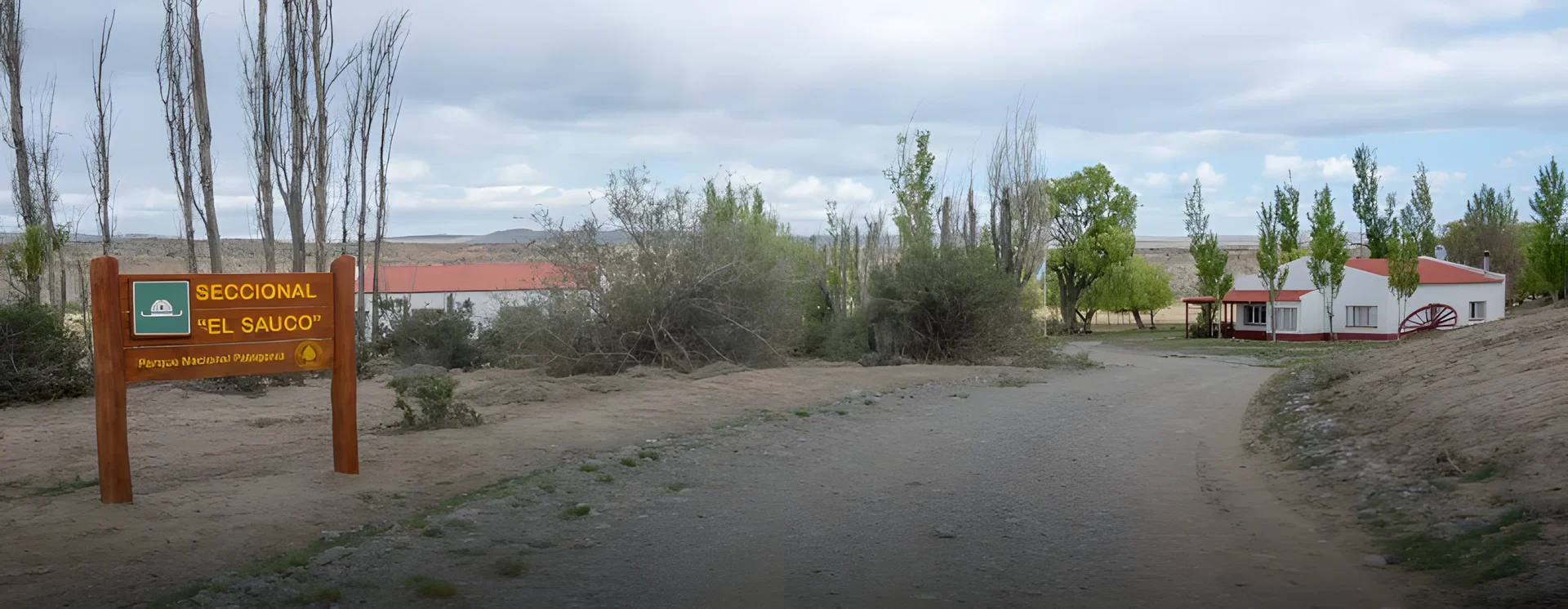
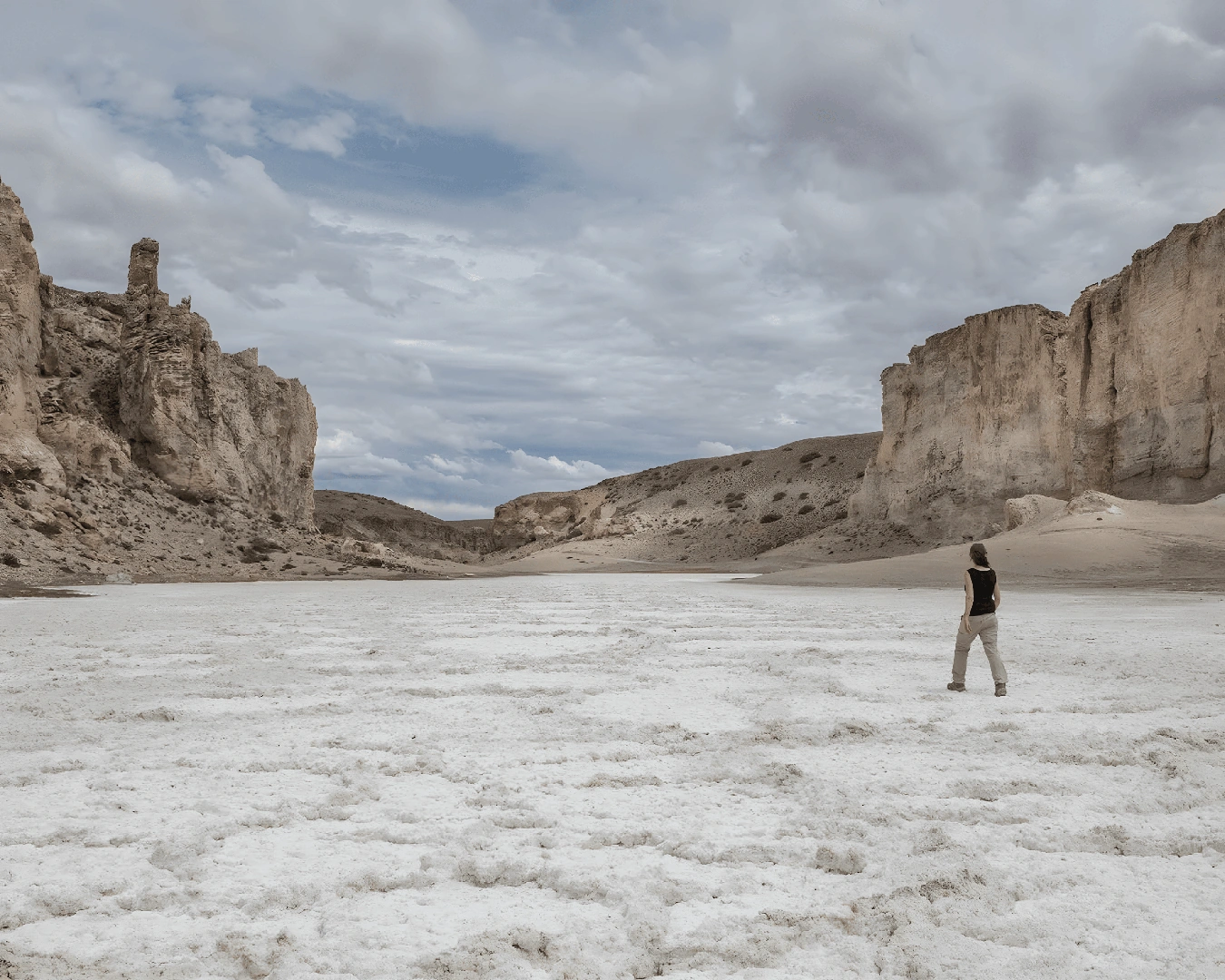
Also administered by Parques Nacionales, this portal sits on Provincial Route 101 and protects the southern zone of Parque Nacional Patagonia. It's a wild sector, ideal for those seeking total disconnection. Its main circuit is the Vuelta al Valle Trail (3.7 km, low difficulty), a walk through the Río Blanco Valley skirting tall clay ravines. The portal has an area that is a true oasis for those who enjoy camping in Patagonia in absolute solitude, lulled by the sound of the river.
Cañadón Pinturas and Cañadón Caracoles Portals
Located on Route 40, they complement the national park experience. Cañadón Pinturas offers more than 50 km of trails ideal for real trekking in Patagonia (like the iconic Tierra de Colores or the Bajada de los Toldos to cross on foot toward Cueva de las Manos). Caracoles, meanwhile, is the reference portal for sport climbing, with around 60 open routes on Jurassic rock.
Watching wildlife in the wild
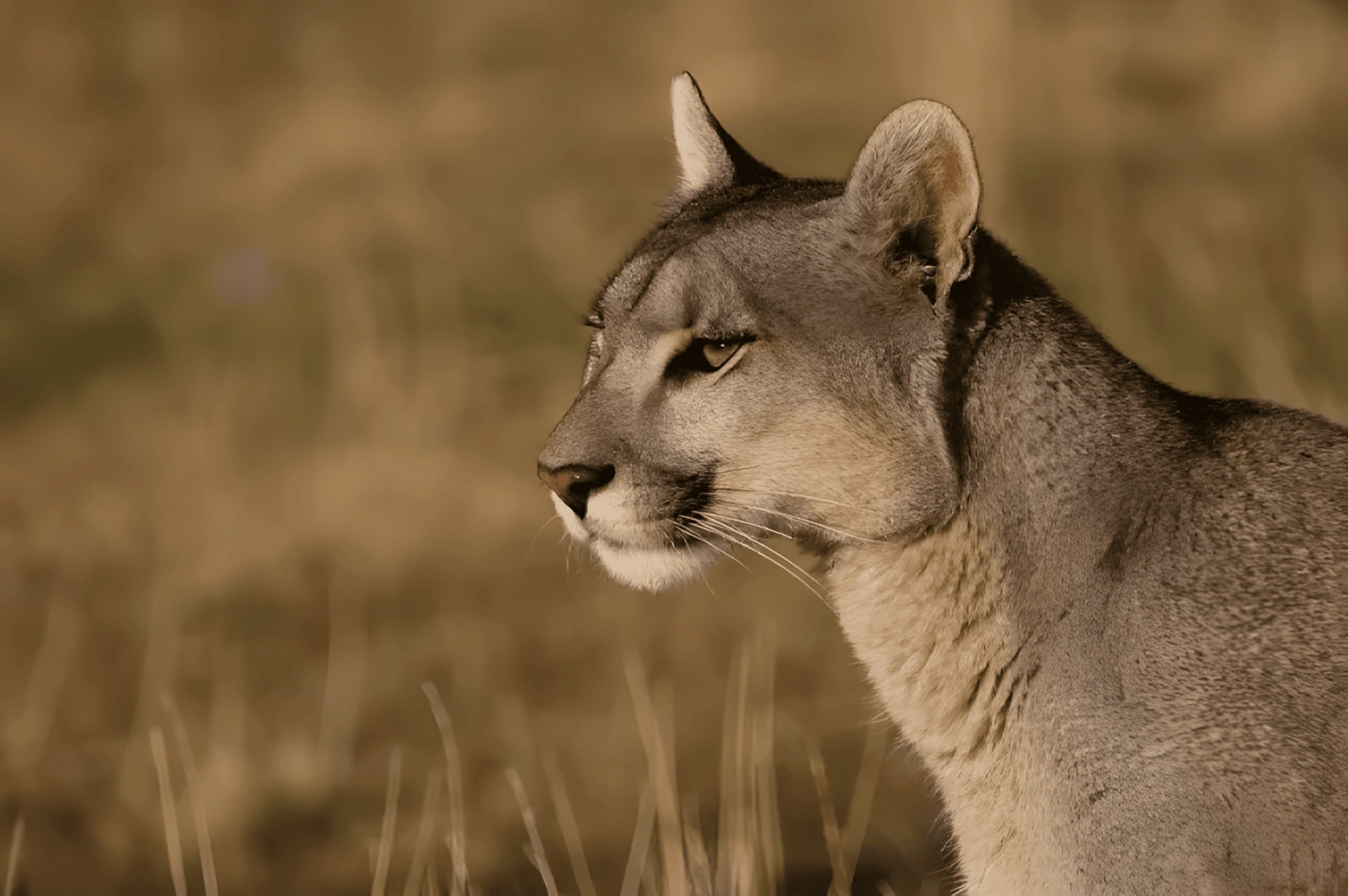
Parque Patagonia is one of the best places in Argentina to discover the characteristic fauna of the Patagonian steppe. Walking through this protected Santa Cruz territory means witnessing nature's active recovery. Herds of guanacos grazing in the valleys, rheas crossing the steppe with their chicks and Andean condors soaring over the rocky cliffs are part of the daily landscape. The rock walls shelter the acrobatic orange chinchillón, while pumas — though seen less often — are also present. It's also an ideal environment for photographic safaris and wildlife watching, and it protects one of Patagonia's most threatened species: the Hooded Grebe (Macá Tobiano), a critically endangered waterbird.
Today, Parques Nacionales and various environmental organizations work intensively within the protected area to restore its habitats and reverse its extinction crisis.
Archaeological sites: Cueva de las Manos and Alero Charcamata
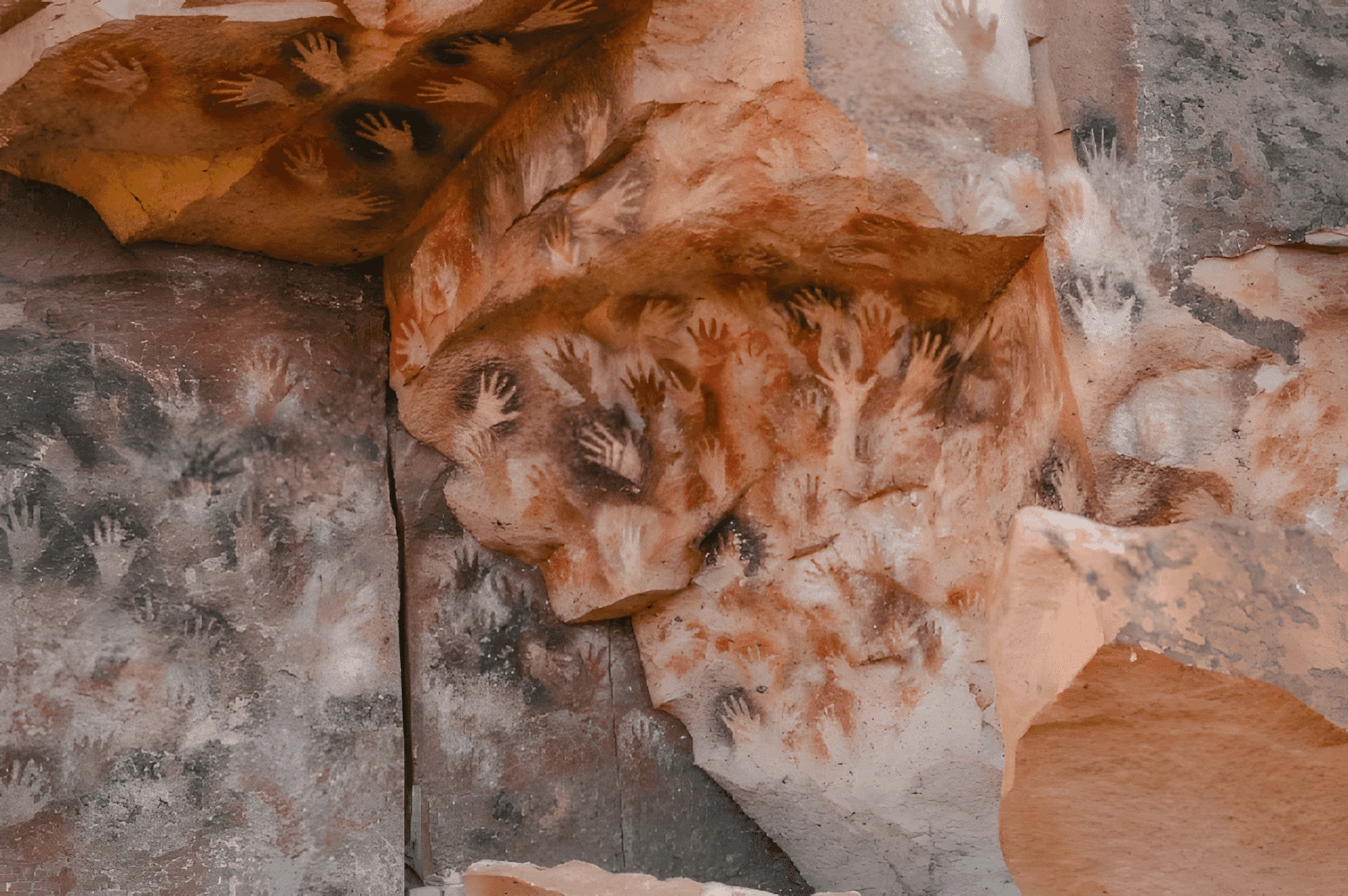
Very close to the park is Cueva de las Manos, declared a UNESCO World Heritage Site and one of the most important archaeological sites in South America.
The famous rock paintings, made more than 9,000 years ago, reveal the history of Patagonia's earliest inhabitants.
Another site of great value is Alero Charcamata, where rock paintings are also preserved and access is arranged through licensed tourism providers.
Patagonian astrotourism
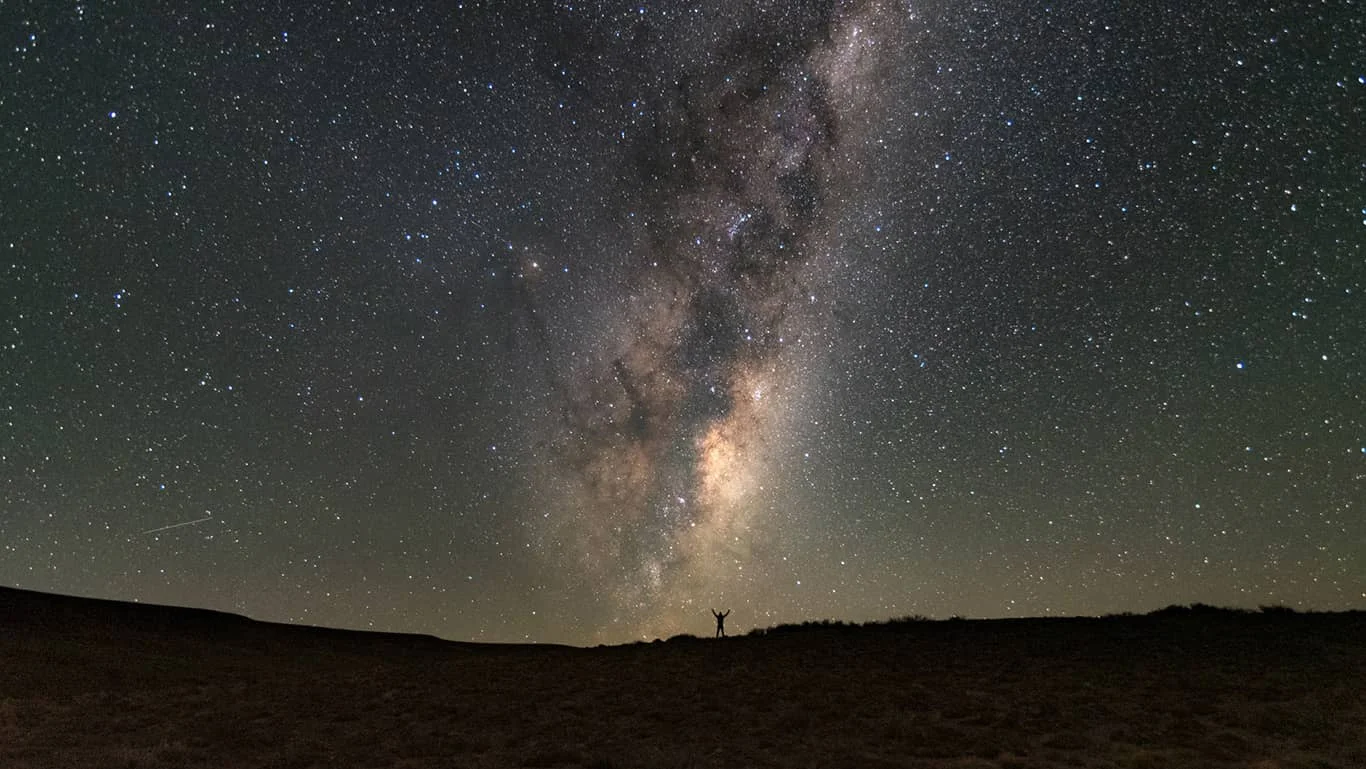
Low light pollution makes Parque Patagonia an ideal place for night-sky observation. The Elsa Rosenvasser Feher Interpretation Center and Planetarium offers a journey through the region's geological history, biodiversity and the universe, complemented by projections to interpret the Patagonian sky.
Frequently Asked Questions
Entry to the publicly administered portals is 100% free. Entry to Parque Patagonia's Cañadón Pinturas and Cueva de las Manos portals has a single fee of AR$10,000. Access is free for Santa Cruz residents, retirees and children under 12, with the corresponding documentation. You can pay by card or bank transfer when registering at the information centers. Before starting any route, registering at the corresponding Information Center is mandatory.
The best time to visit Parque Patagonia is during the southern hemisphere summer months (November to March). The weather is warmer, days are longer, skies are clearer and vegetation is at its peak, looking green and vibrant.
The area keeps a wilderness character. The APN portals (La Ascensión and El Sauco) offer information centers with rangers, mountain shelters and free communal campgrounds. Portal Cañadón Pinturas has additional services including the Hostería La Posta de Los Toldos, a general store and the modern Elsa Rosenvasser Feher Interpretation Center and Planetarium.
If you want to know more, don't hesitate to write to us.
Contact channels