Cueva de las Manos: The Best Photos and How to Capture the Magic of the Canyon
There are places in the world that impose immediate silence the moment you see them, and the Río Pinturas Canyon is one of them. In this wild corner of northwestern Santa Cruz, protected within the Parque Patagonia circuit, nature and ancient history merge into an unforgettable postcard.
If you're planning your trip and looking for visual inspiration before packing, going through the Cueva de las Manos photo gallery is the best way to start traveling with your eyes.
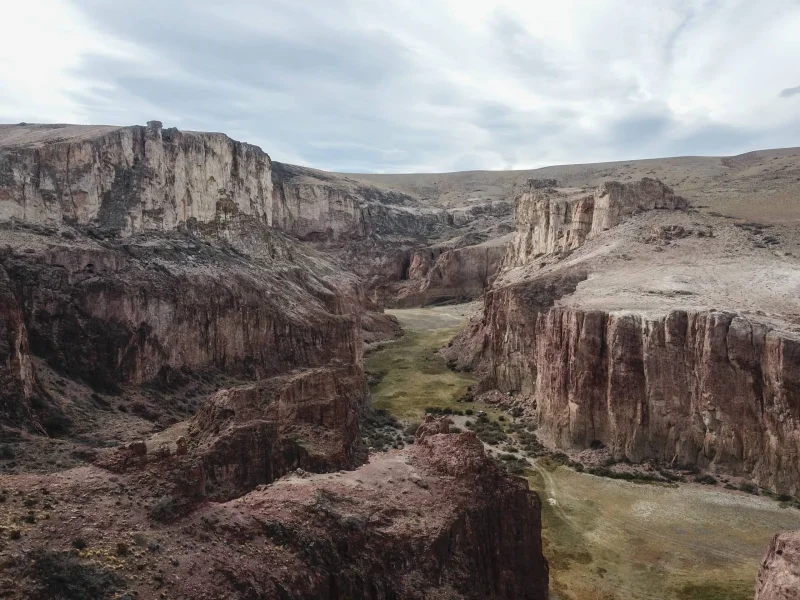
Photography: Horacio Barbieri @Horibarbieri
1. The main rock shelter: the hand stencils
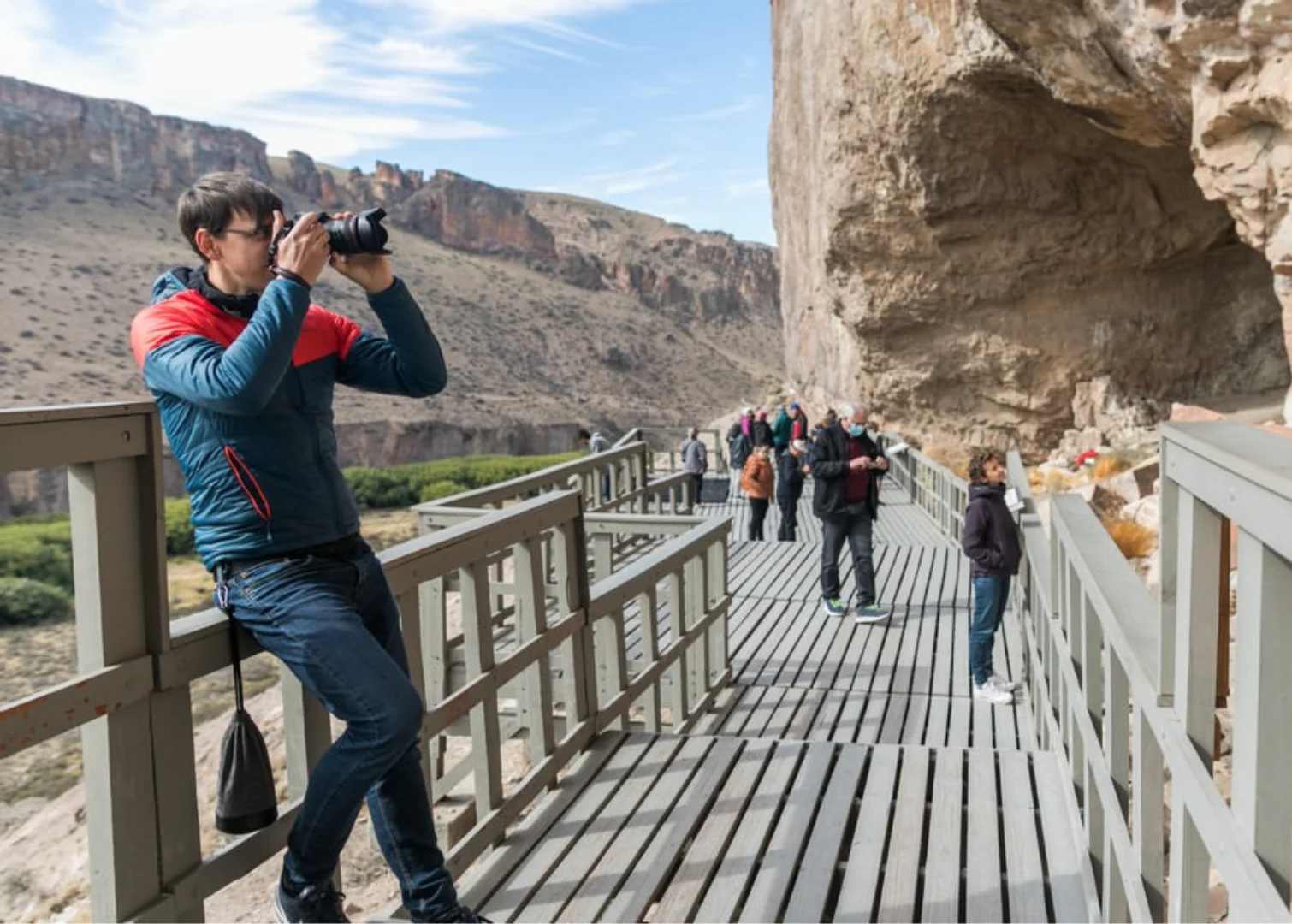
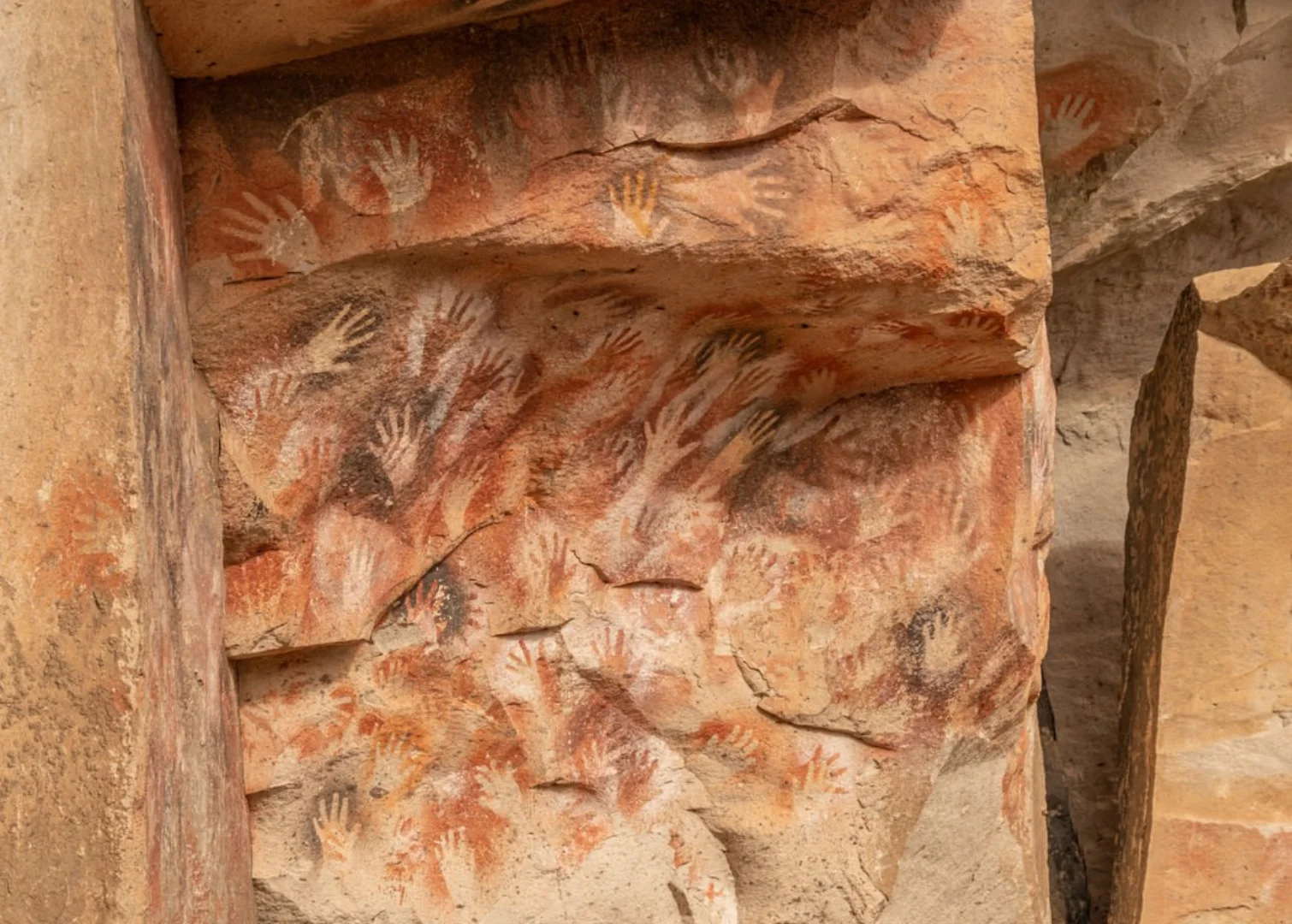
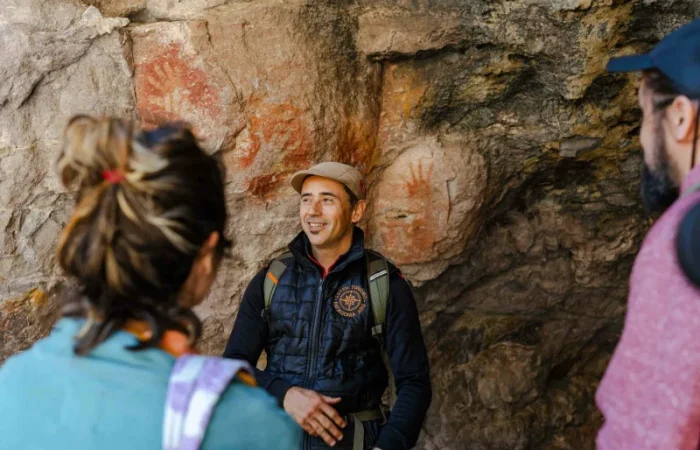
The most iconic image of the area (and one of the most famous in South American archaeology) is the great rock shelter where hundreds of hand silhouettes seem to wave at us from more than 9,000 years ago.
Photographing these rock walls is a fascinating challenge due to the richness of tones. The earliest nomadic inhabitants used local mineral pigments of iron oxide, manganese and clays to achieve a vibrant palette of reds, yellows, whites and blacks.
Photography tip: The best light on the walkways is in the morning, when the sun's rays hit the shelters head-on and highlight the details of the hands printed using the stencil (blowing) technique.
Photography: Horacio Barbieri @horibarbieri
Photography: Natalia Trzcina
Photography: Horacio Barbieri @horibarbieri
2. Hunting scenes and prehistoric wildlife
Beyond the famous hand stencils, lenses that get close to the rock reveal dynamic scenes full of movement. Group A paintings show hunters chasing guanacos with primitive bolas, as well as silhouettes of rheas and later geometric figures.
Capturing these details requires patience to appreciate the overlapping layers of paint showing how different generations used this natural shelter over thousands of years.
Photography: Horacio Barbieri @horibarbieri
3. Cliffs and the immensity of the Río Pinturas Canyon
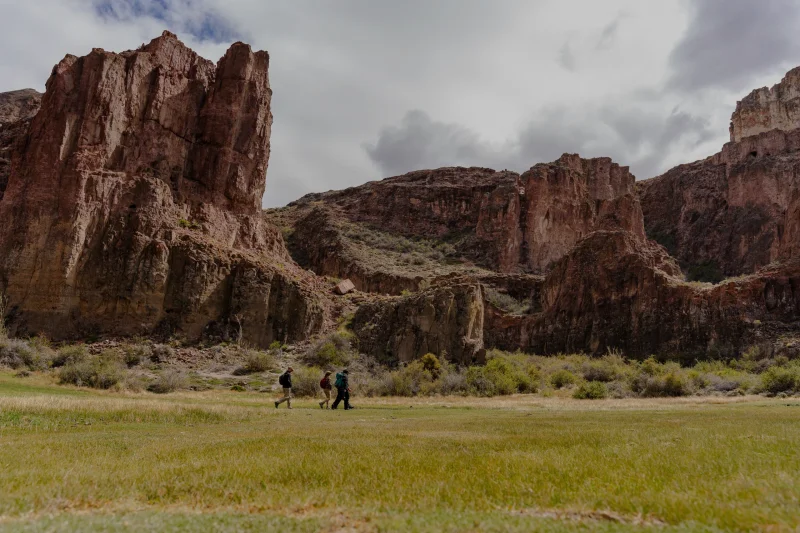
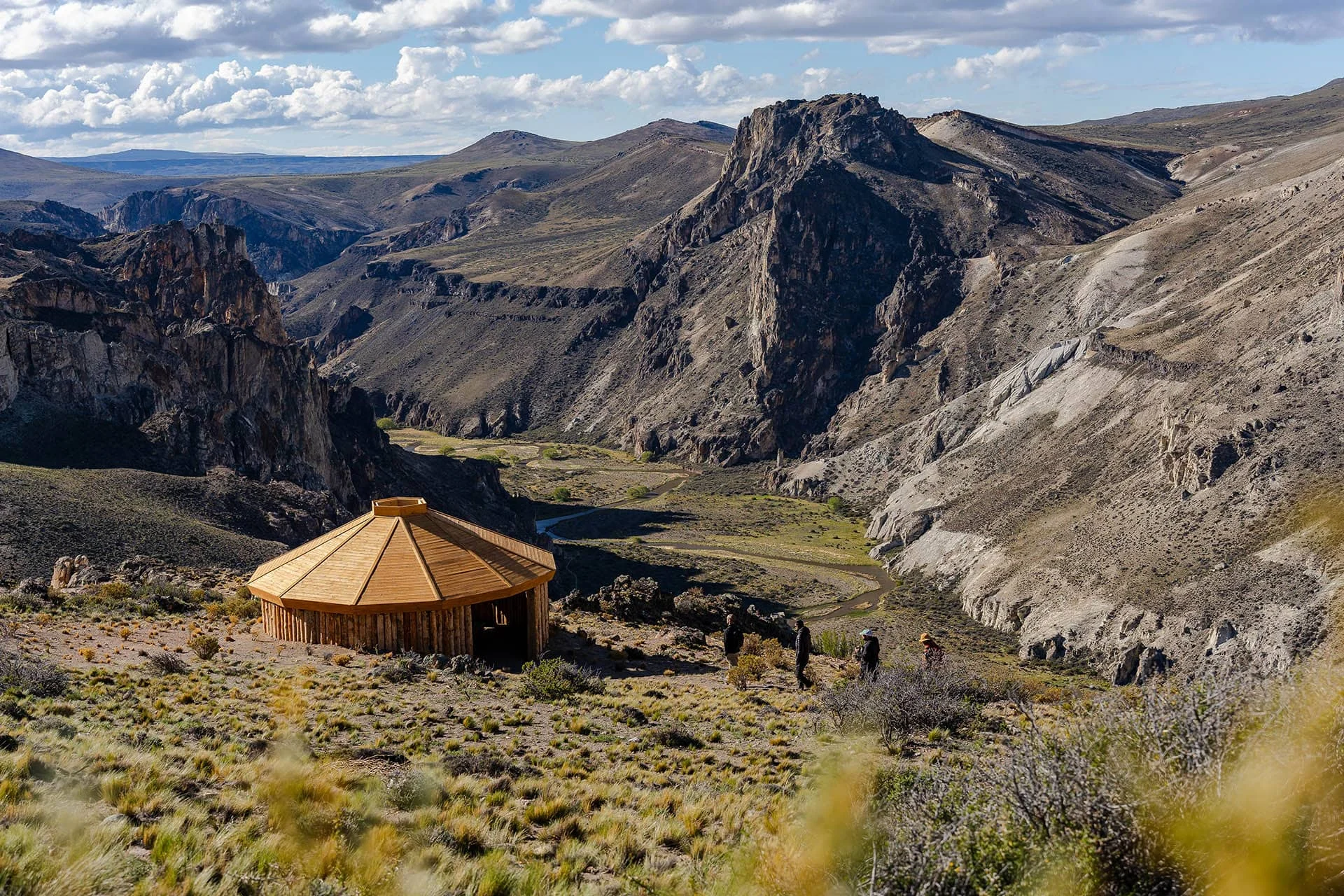
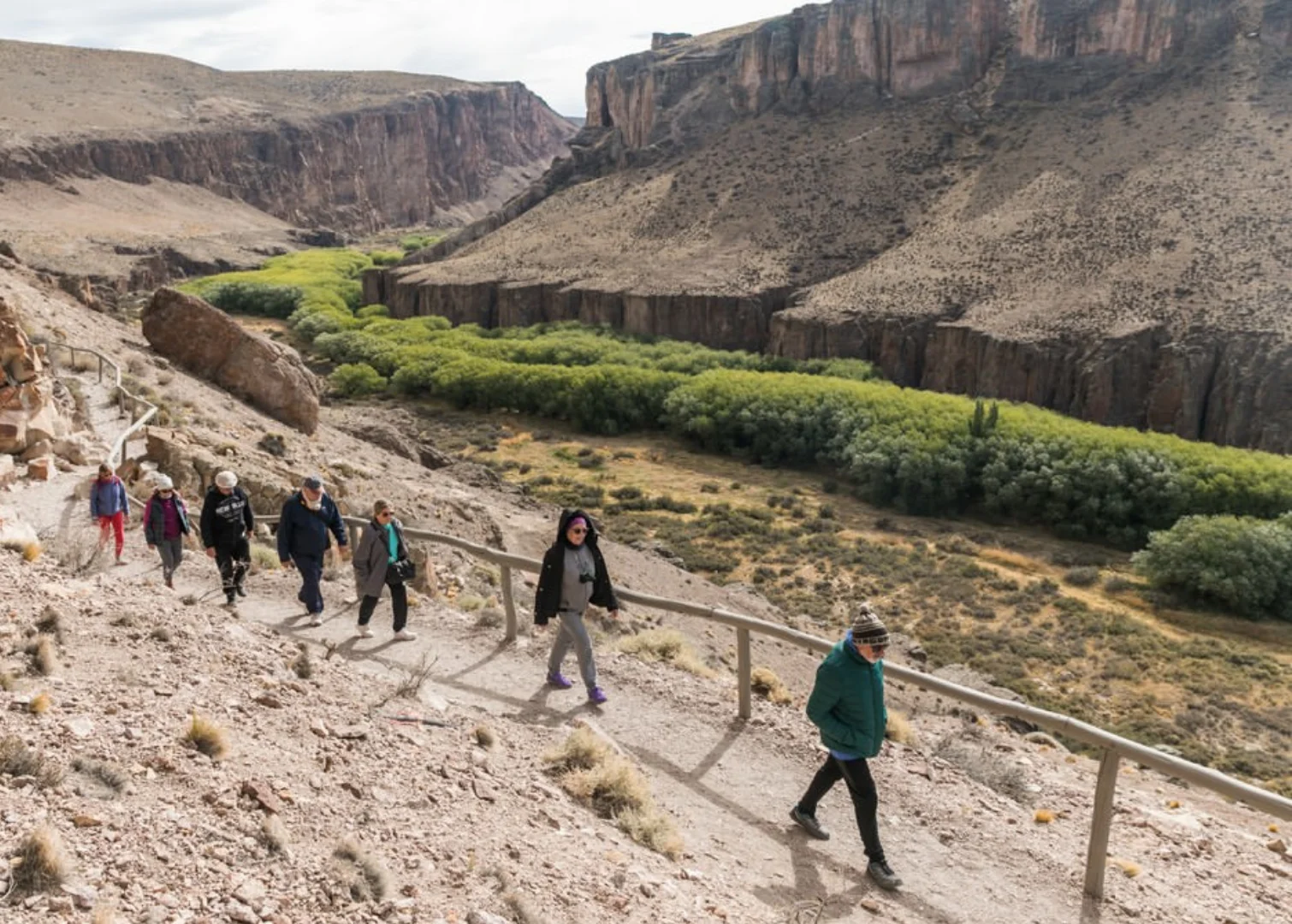
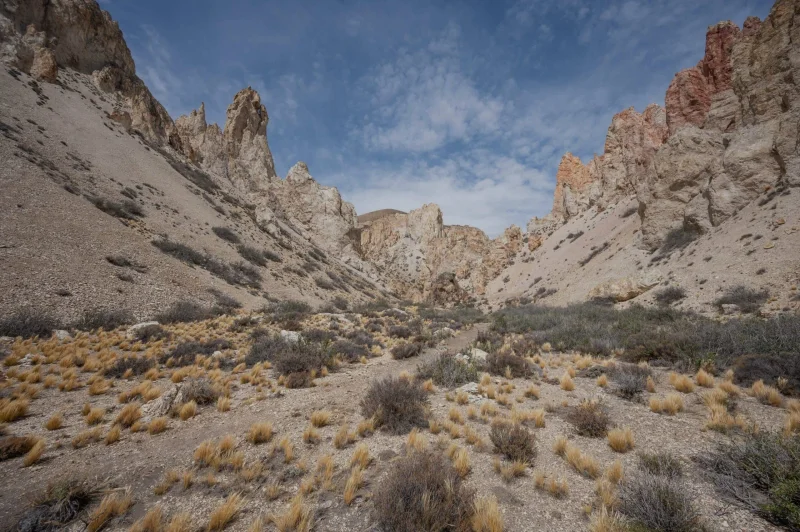
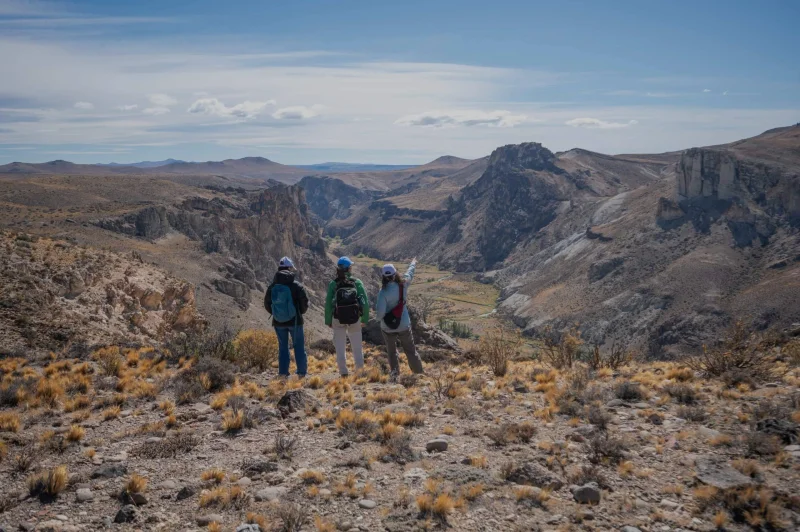
The photographic experience is not limited to the archaeological site. The setting around the cave is just as imposing: a deep canyon of reddish, vertical walls carved by water and wind over millennia.
If you hike the Bajada de los Toldos Trail from Portal Cañadón Pinturas, you'll find spectacular panoramic views as you descend to the riverbed and cross the wooden footbridge. The view from El Cóndor lookout offers the immensity of the steppe in its purest form.
Tips for photographers and visitors
- Respect for heritage: Using flash in the rock-art area is strictly prohibited to prevent damage to the historic mineral pigments.
- Stay on the trails: Photos must always be taken from the authorized walkways. Protecting the site is everyone's responsibility.
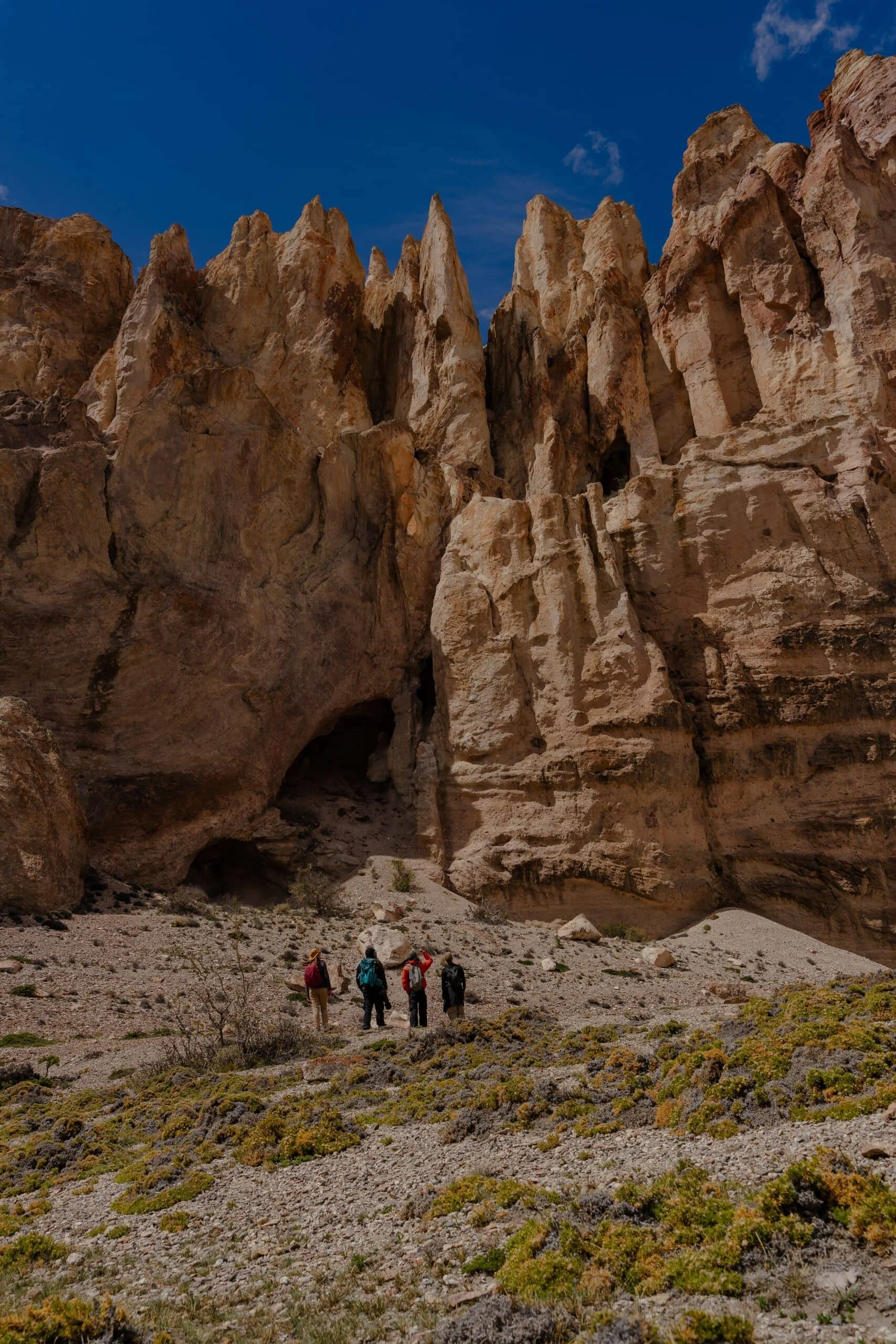
- Recommended gear: A wide-angle lens will help you capture the scale of the canyon, while a light telephoto or good zoom is ideal for framing distant details of the paintings or photographing guanacos and condors in the wild.
To learn about visiting hours, fees and the detailed history of this archaeological sanctuary, check our complete Cueva de las Manos guide and discover everything you can do in the Parque Patagonia territory.