Patagonia Park: when a community becomes a host
The growth of nature tourism in Patagonia Park and its surroundings, driven by years of hard work to recover the wildlife and environments of the steppe, also strengthens neighboring communities. Every year, more visitors arrive in northwestern Santa Cruz to discover iconic and little-known animals and landscapes, while at the same time creating new opportunities for those who welcome them to the territory.
In that setting, the third edition of the Host Network was developed, an initiative that brings together neighbors, service providers, students and institutions to strengthen the tourism culture of this region of the province and build a community ready to be a host.
Who welcomes those who choose to travel to a nature tourism destination?
The first welcome can come from a guide, a tourism provider or someone behind the counter at an information office, as well as from a shopkeeper, a teacher, a gas station attendant or a neighbor who answers when asked how to get somewhere.
It is from this idea that the Host Network is built, an initiative now in its third season in Perito Moreno, one of the localities neighboring Patagonia Park, whose mission is to strengthen the bond between people and the territory they inhabit and that sustains them.
“Three years ago we asked ourselves how to work beyond those who already form part of the tourism services. We thought about those people who, from their own place, also provide information to those who visit us. Shopkeepers, teachers, the person who pumps fuel, or the neighbor sweeping the sidewalk who a tourist asks how to get somewhere,” says Rocío Navarro, from the Patagonia Park team.
“We felt there was a lack of a space where anyone interested could learn more about their territory, where the region is growing and, above all, feel part of that process,” she adds.
The initiative is organized jointly by the Santa Cruz Secretariat of State for Tourism and the Tourism Directorate of the Municipality of Perito Moreno. This third edition was also declared of tourist interest by the province and of tourist, cultural and educational interest by the local Deliberative Council.
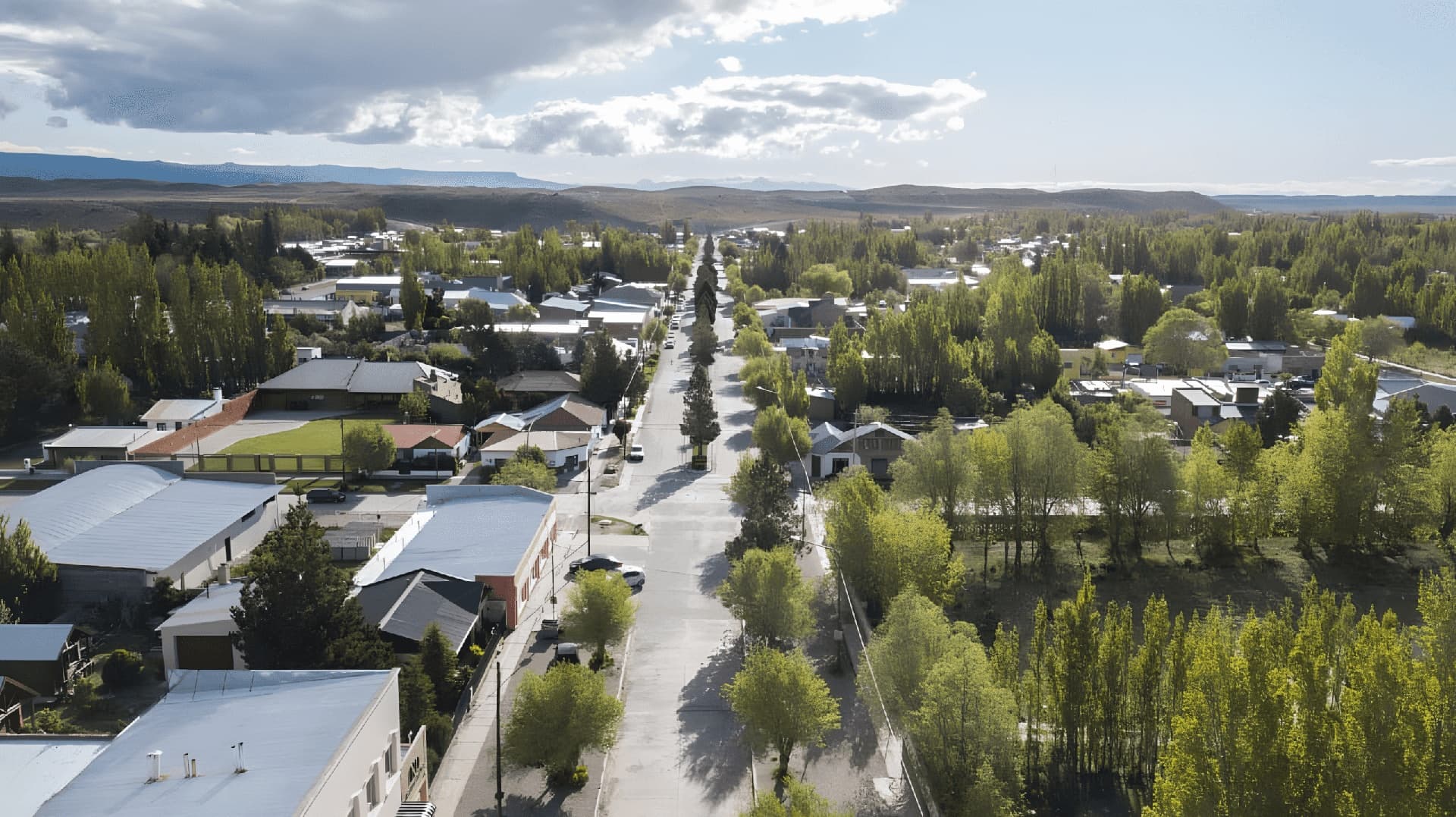
A community that also welcomes
For the Tourism Director of Perito Moreno, Marcos Huenuman, the initiative makes it possible to continue strengthening visitor care, but also to build greater awareness of the role each neighbor plays within the nature tourism destination represented by Patagonia Park and its associated communities.
“Tourists seek authentic experiences, and part of that is feeling well received. Being hospitable is important for those who work in the tourism sector, but it is also important for the entire community. Often what visitors take away, beyond knowing the natural and cultural attractions, is a chat with a neighbor or a recommendation.”
The 2026 edition also focuses on those who live tourism every day. Local providers share their experiences with participants, including the agencies Chelenco and Safari Patagonia, the guides from Estepa Outdoors, teacher Marisa Blanco —who also called on students of the Tourism orientation— and Guido Vitone, recognized for his knowledge of regional history.
For Huenuman, this exchange is fundamental because they are the ones who receive visitors throughout the season and know first-hand the richness of the tourism offering in northwestern Santa Cruz. One of the challenges is to consolidate Perito Moreno as a destination to stay in, not just a place to pass through.
“Today we see that the length of stay has increased to three days, and that has a lot to do with the tourism offering now in the area, and the better visitor care that lets people know everything Perito Moreno and northwestern Santa Cruz have to offer,” he notes.
Thus, year after year, Patagonia Park continues to establish itself as an ideal destination for wildlife watching, while neighboring communities strengthen their role as hosts for those who arrive to discover this territory.
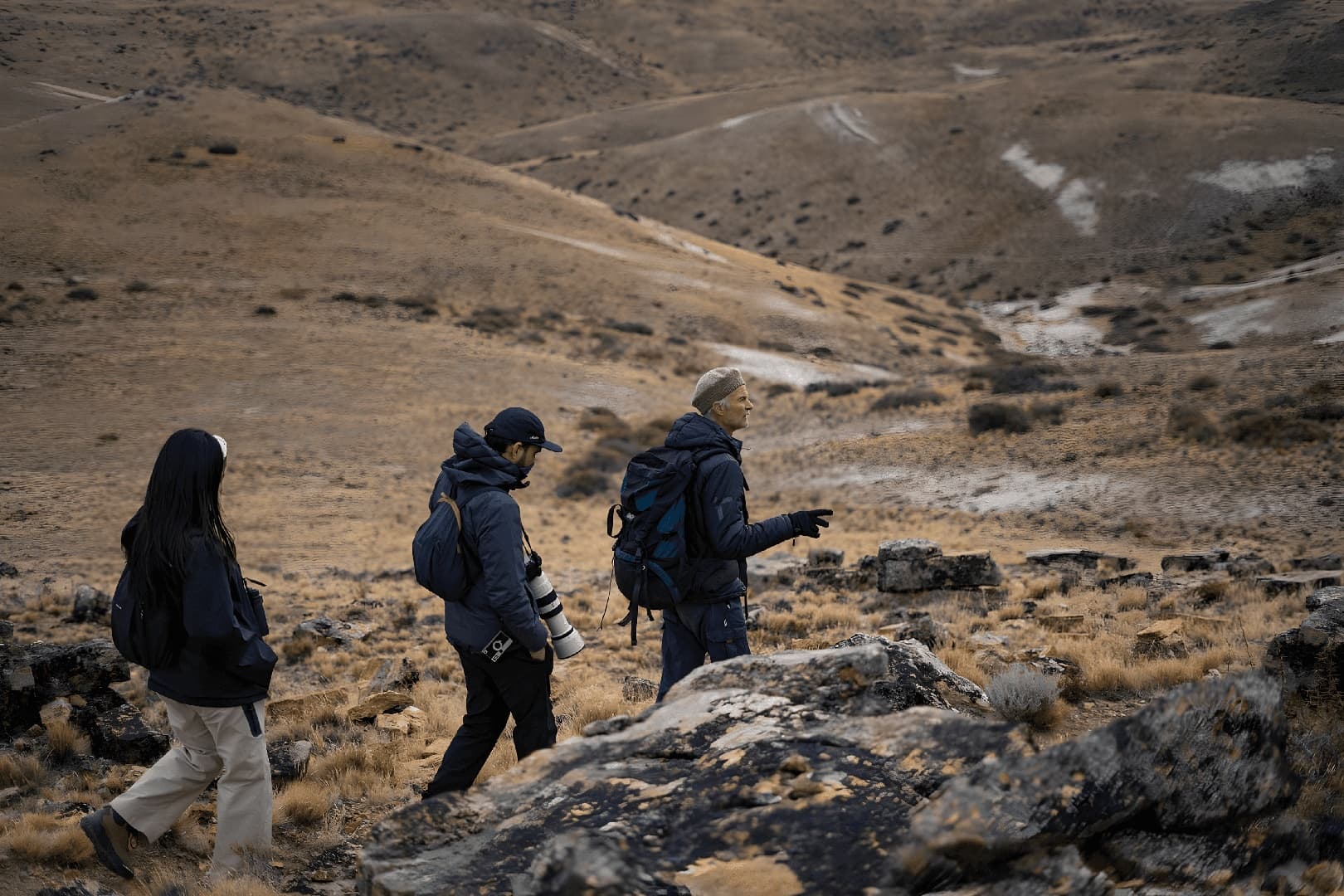
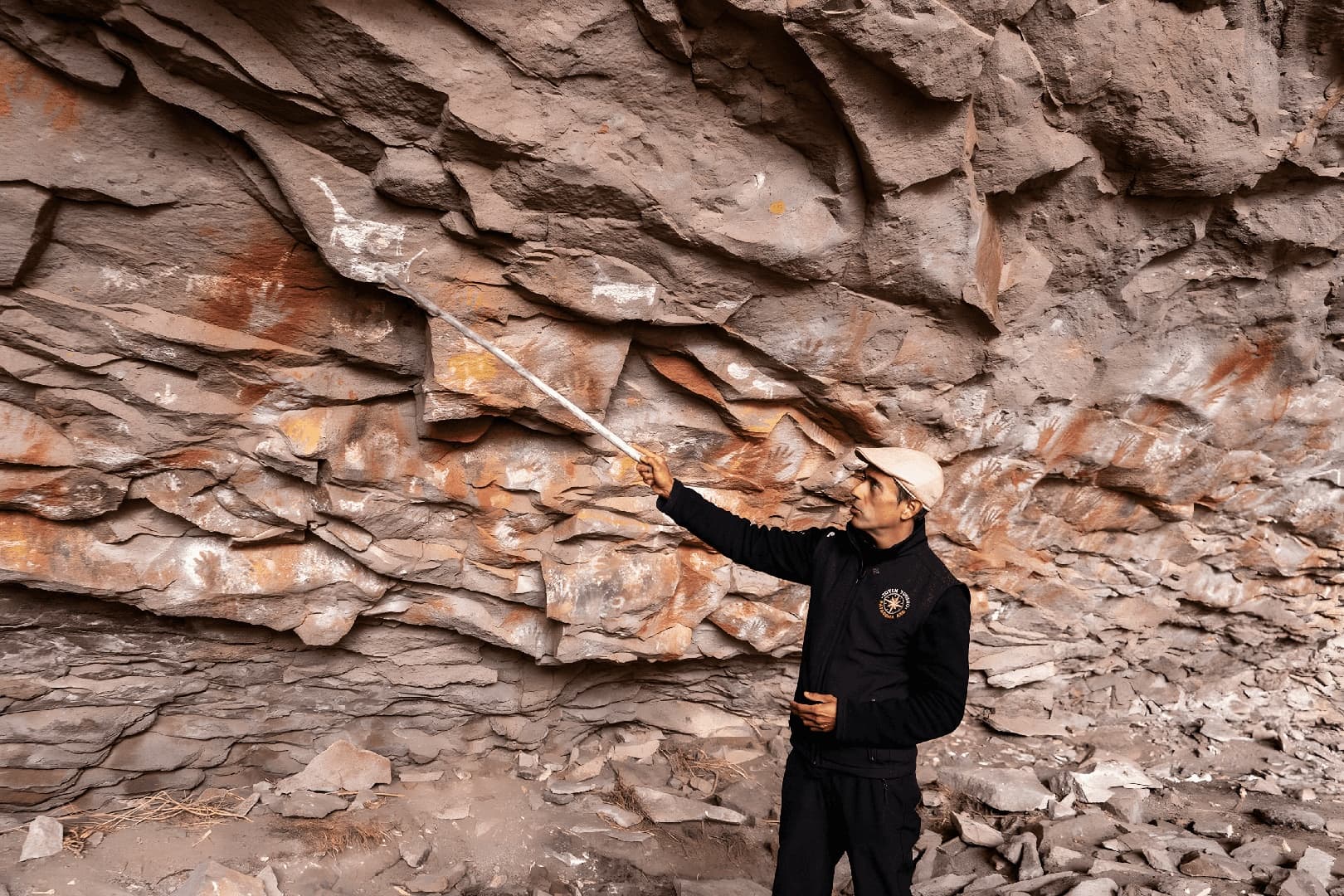
Looking again at the place where we live
For Rocío Navarro, after three seasons, one of the greatest achievements of the Host Network has been building a community.
She also highlights that in each edition, tourism providers, shopkeepers, students, public employees and neighbors come together, creating bonds that often become new job opportunities or shared projects.
“There are participants who now work in tourism ventures, others who joined the Patagonia Park team, and others who, although they do not work in tourism, now receive visitors with greater confidence and a different gaze on the place where they live,” she says.
But perhaps the greatest learning has to do with recovering the capacity to be surprised.
“We seek to recover the capacity for wonder. This exchange is important because wonder is contagious and helps us rediscover the territory we inhabit.”
Rocío explains that the goal is for participants to feel part of a network, prepared to guide a visitor, share what they know and continue learning alongside others.
“After these years, I think being a host is one more way of caring for this place. First you have to know, then protect, and then share. What is shared is always better. And the best promotion a place can have is a person who speaks of it with love. It is priceless.”
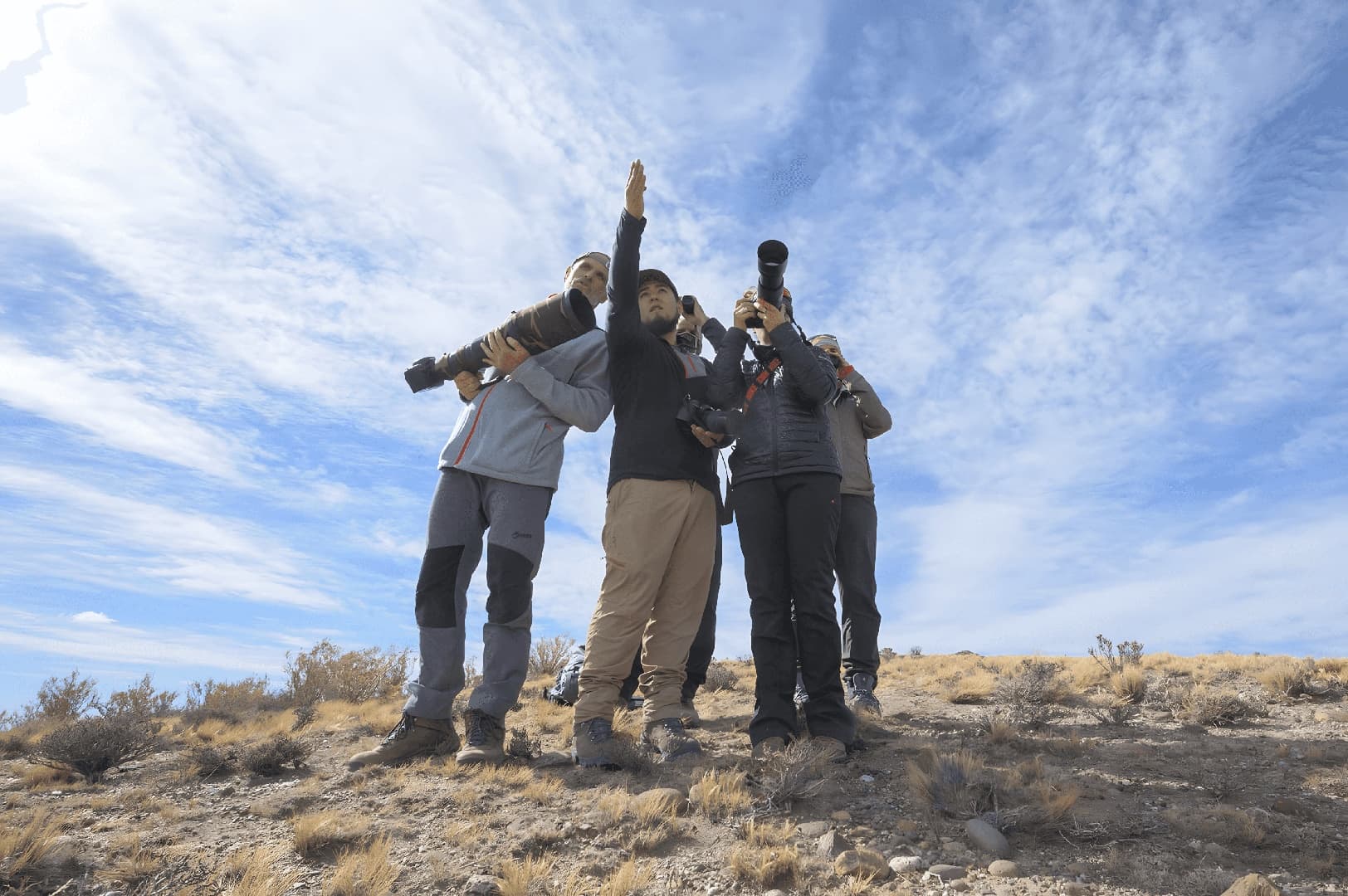
Photos: Franco Bucci, Agustina Ojeda.