Women on the Rock: a bond that goes beyond sport
A group of women from northwest Santa Cruz is driving an initiative that combines climbing, nature, and environmental stewardship. Throughout the summer, they gather in Cañadón Caracoles, and during winters, they keep the activity going in Perito Moreno, drawing a community that grows day by day.
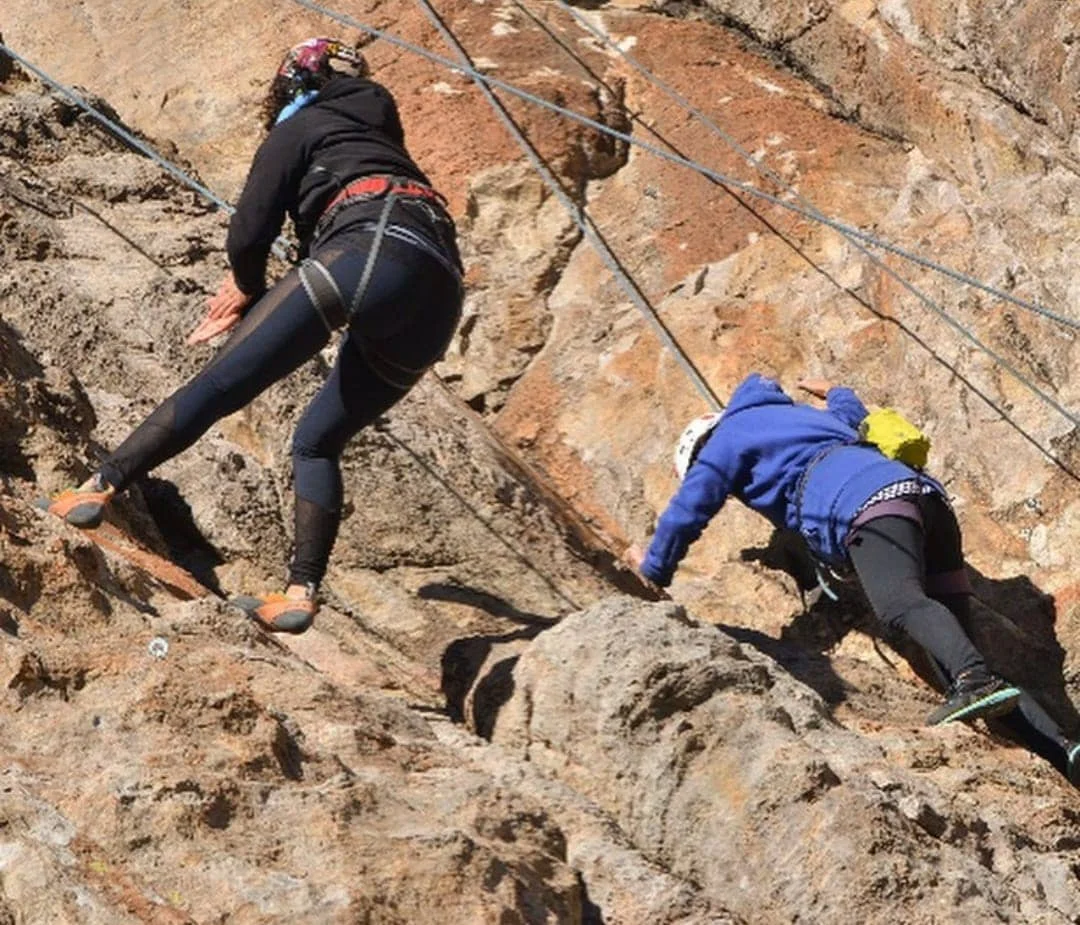
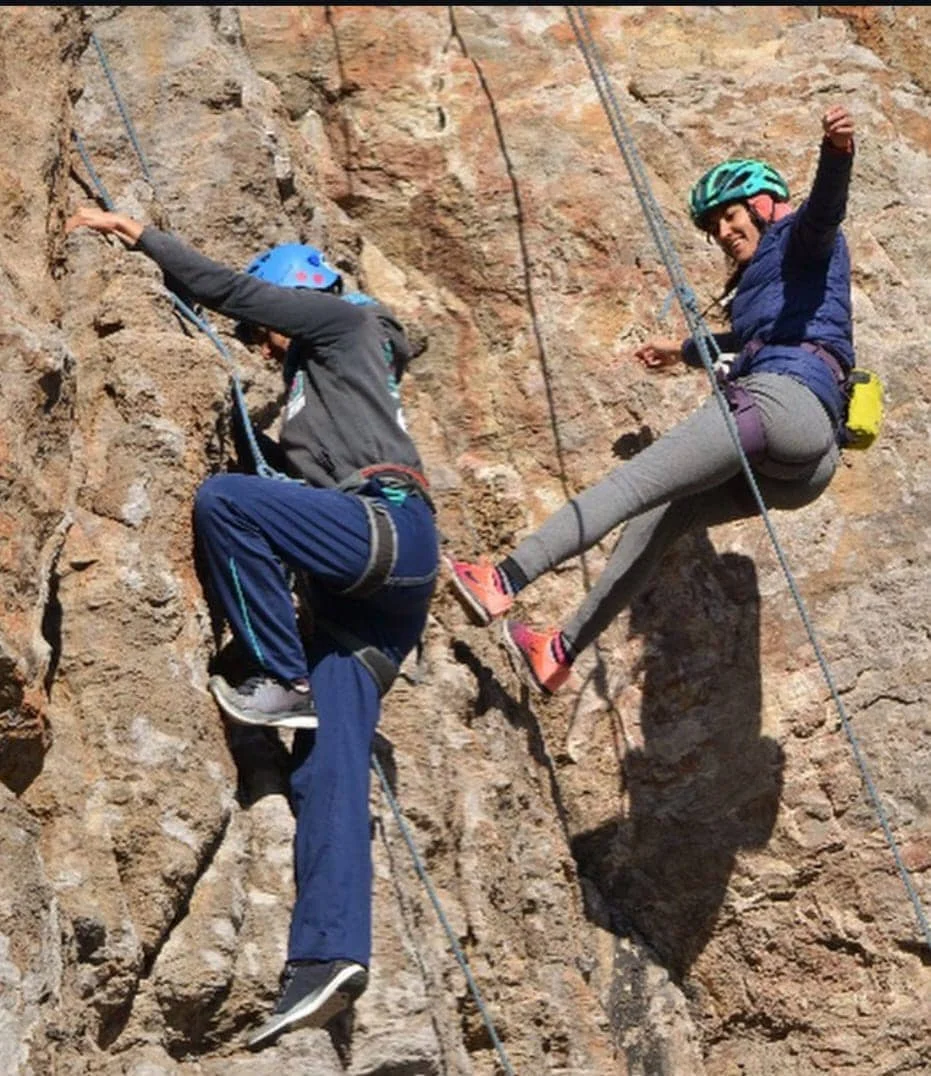
In northwest Santa Cruz, the wind sets the rhythm. Constant, it sweeps across the rock faces and slips into every movement. In that setting, among intense colors and shapes that shift with the light, a group of women comes together to climb. They do so in Patagonia Park’s Cañadón Caracoles in an environment they describe as “completely wild and rugged.”
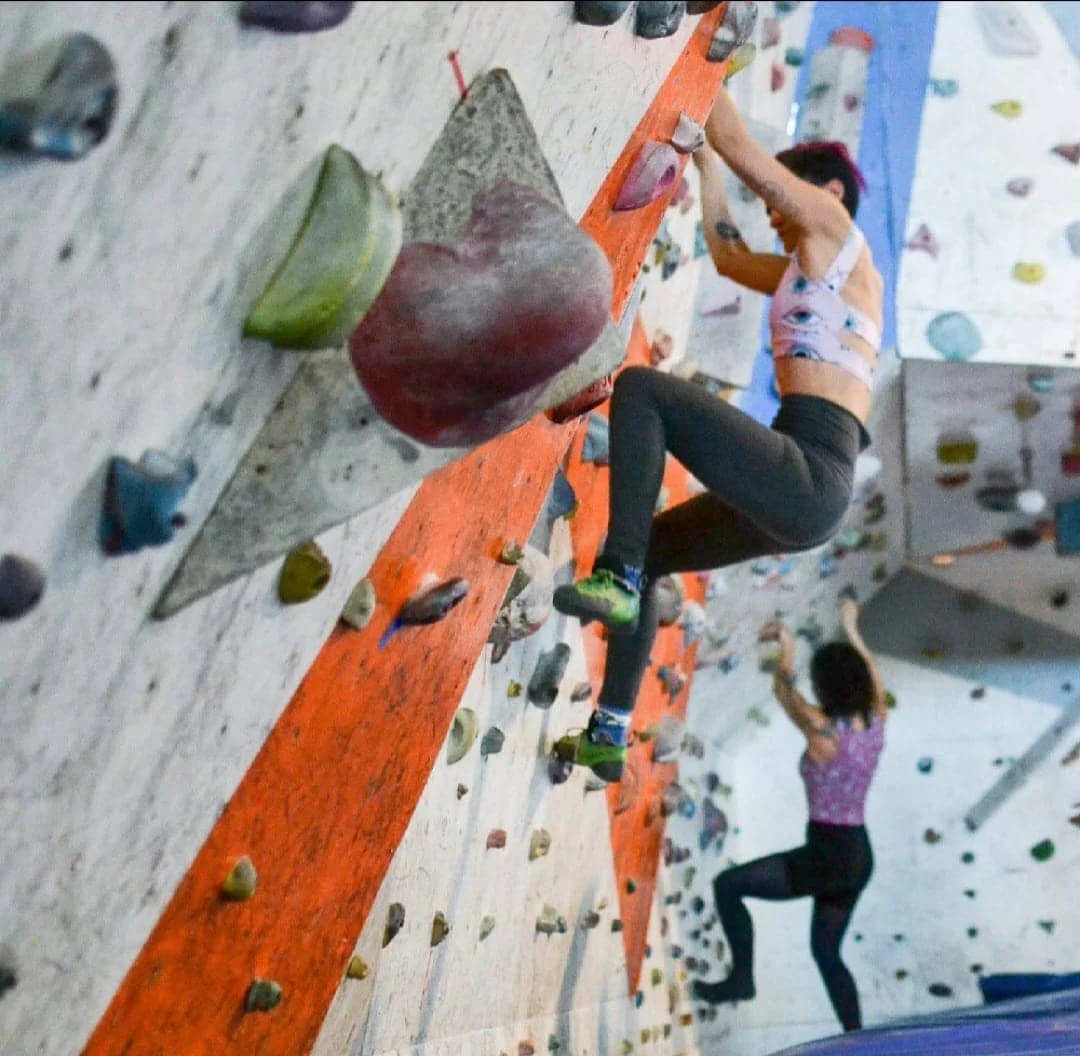
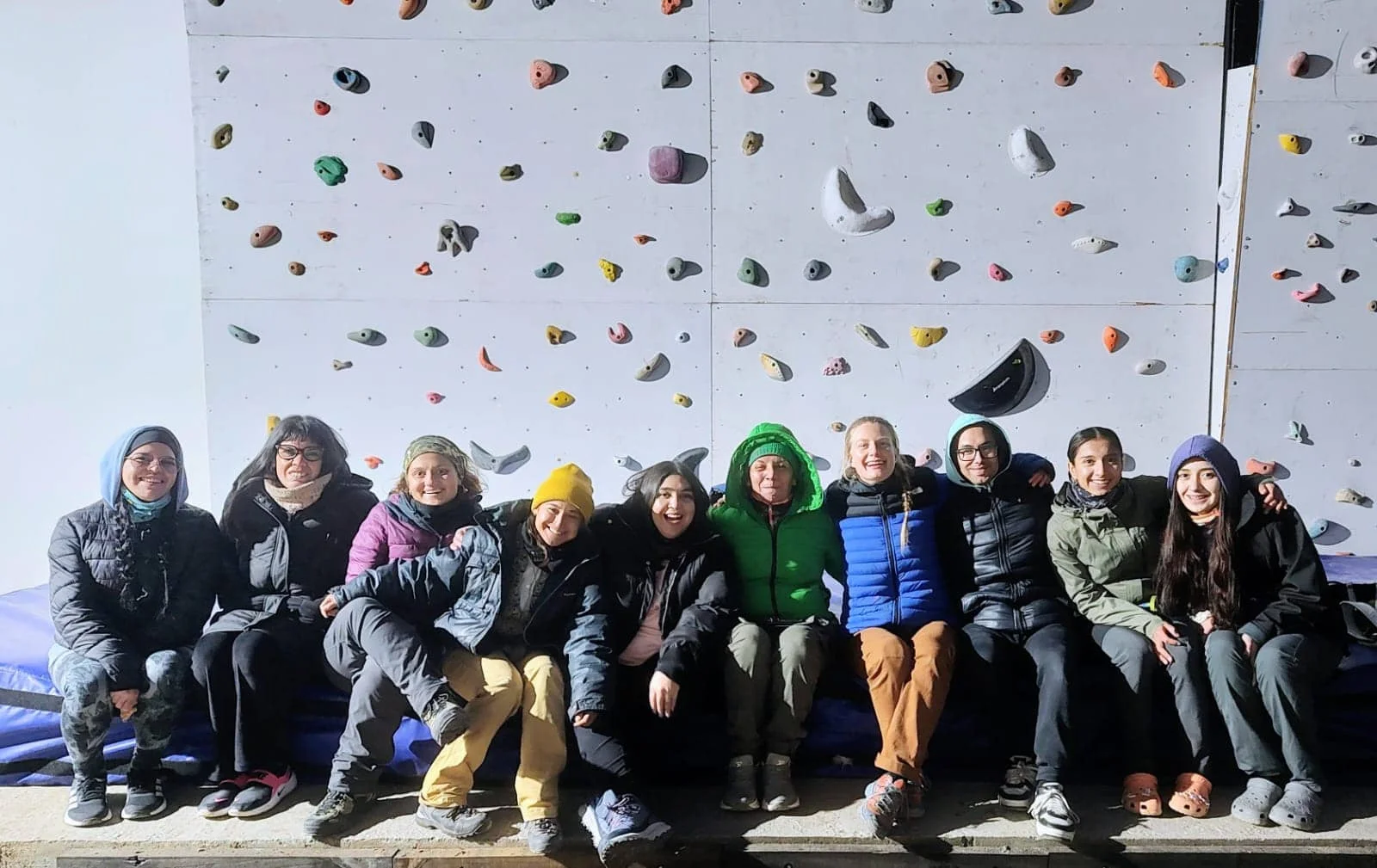
“Women on the Rock was born from sharing sport climbing between women – mothers, daughters, and friends,” says Luisina Monente, one of the project’s driving forces. That starting point has grown into an open space that seeks something much deeper: “to create safe spaces where self-esteem, sensitivity, inclusion, self-love, and cooperation are protected,” which is their main goal.
The rock, they say, has something special. “It’s super abrasive, super grippy – it embraces you,” Luisina explains, as she describes the canyon’s orange, yellow, and pink walls that change with the light throughout the day. Around them, life continues at its own pace. In the area, you can spot guanacos, Darwin’s rheas, Wolffsohn’s viscacha, and even pumas.
Climbing and caring
The relationship with the environment is central to the experience. The group upholds practices to care for the place, from the most basic to collective actions. “This idea of leaving no trace – of how we move in that space,” is one of the first and most important lessons. But it goes further – there is also an active component of their stewardship. Luisina took part, along with others who visit the area, in planting reeds in climbing sectors.
This action aligns with a broader process underway in Patagonia Park, aimed at restoring sensitive environments such as wetlands and maintaining the balance of the ecosystem. Within this context, the presence of those who live in and move through the area adds a collective dimension that goes beyond recreational use. “What could be more beautiful than the place where you go to climb looking beautiful, looking vibrant?” she says, capturing that bond that blends enjoyment, stewardship, and participation.
This perspective connects with the idea that runs through the entire Women on the Rock project. It’s not just about climbing, but about being part of something, getting involved, and getting to know the place. About recognizing it as a living environment in constant transformation.
Along the way, the group also builds something that doesn’t always appear in other areas of sport. “It helps us create spaces of inclusion and participation in places where men generally dominate,” Luisina explains.
Rather than positioning itself in opposition, the initiative brings its own dimension. “Culturally, we have a different history – we’ve lived different experiences,” she says, and in that shared space, other ways of connecting, supporting one another, and inhabiting the activity emerge.
The call is open. No prior experience is needed. “I believe everyone can climb,” she says. All that is required is willingness – “the desire to try, to learn, and to take that first step toward the rock.”
Continuing in winter
When the cold sets in and conditions change across the steppe, the initiative continues. During winter, Women on the Rock moves its activities to Perito Moreno, maintaining gatherings and welcoming new participants.
“The idea is that the bond doesn’t break,” that the space continues to grow beyond the season. “To be present, getting to know the place.”
In the end, what emerges is something more than a sport. It’s a way of connecting with others, with the environment, and with oneself – a movement that grows and strengthens with each gathering across the Santa Cruz steppe.