More than 160 youth across the region participated in the Exploradores program’s fifth season
Camping trips, growing connections, and a community taking shape. The program brought together 168 participants and continues with activities through fall and winter.
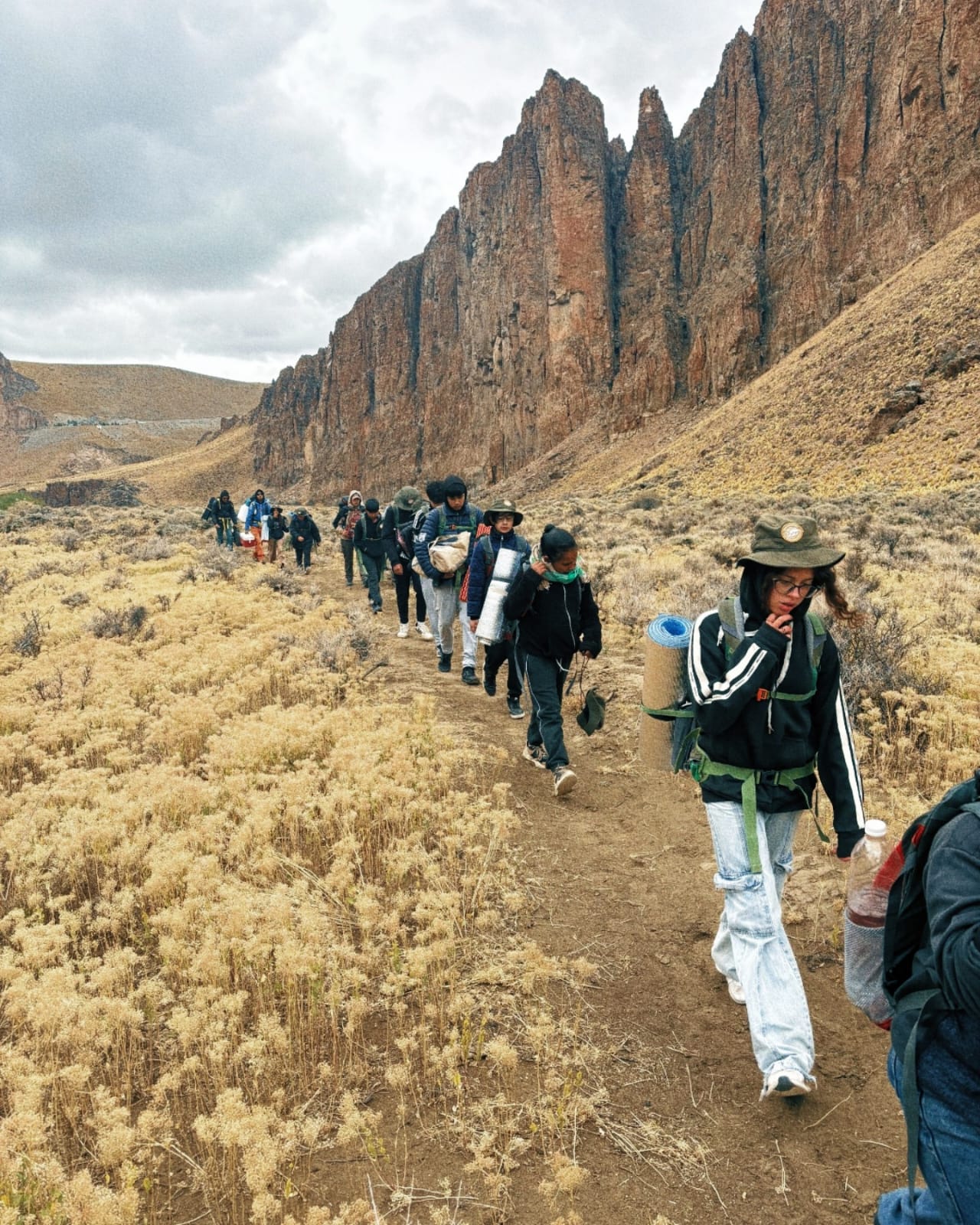
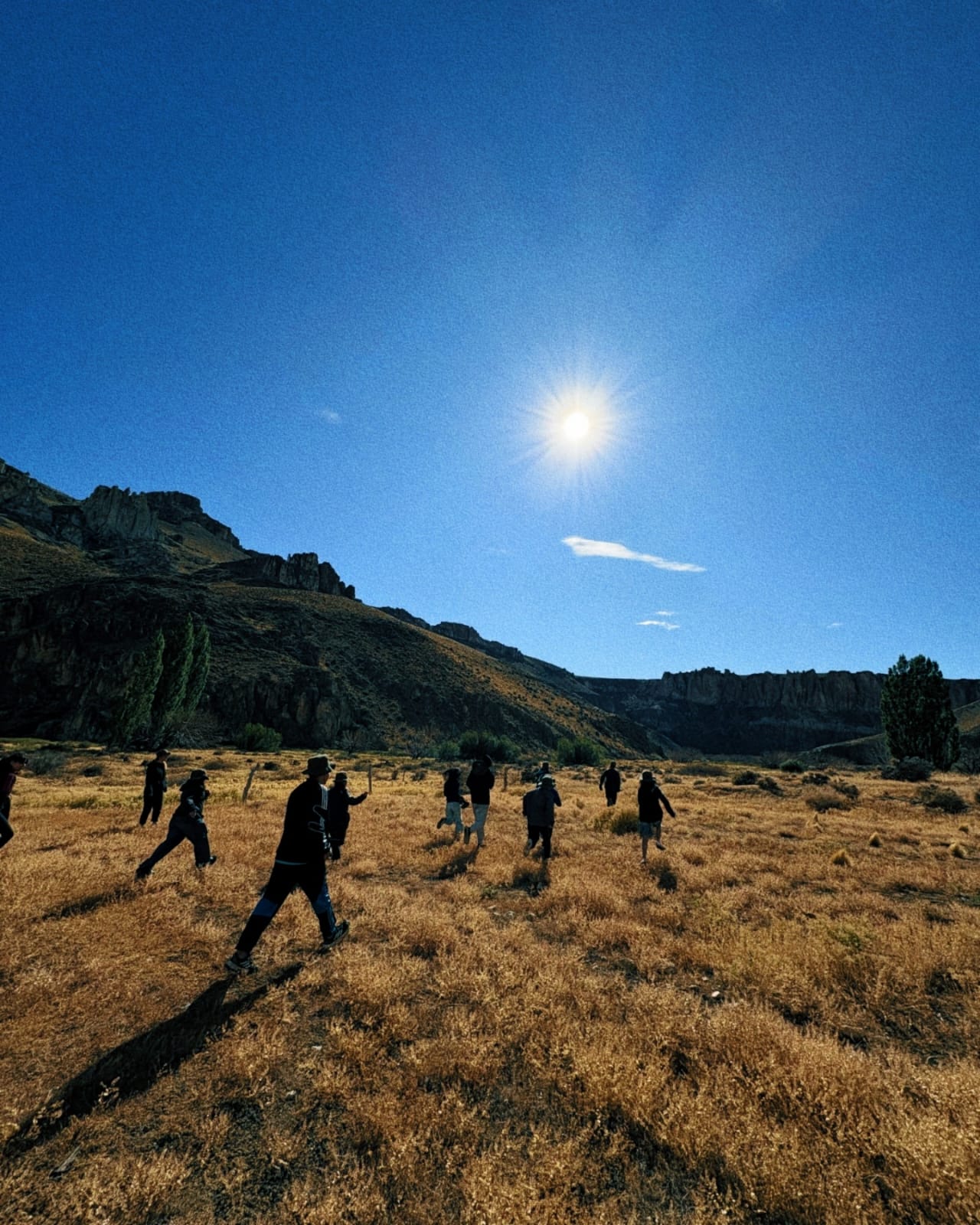
With three-day camping trips in places like the Caracoles Canyon and the Pinturas River Canyon, the Exploradores program once again rolled out a summer experience that blends nature, learning, and community living. This season, 168 kids from Perito Moreno, Los Antiguos, and Lago Posadas participated. Five years since it began, the program has now reached over 2,000 young people across the region.
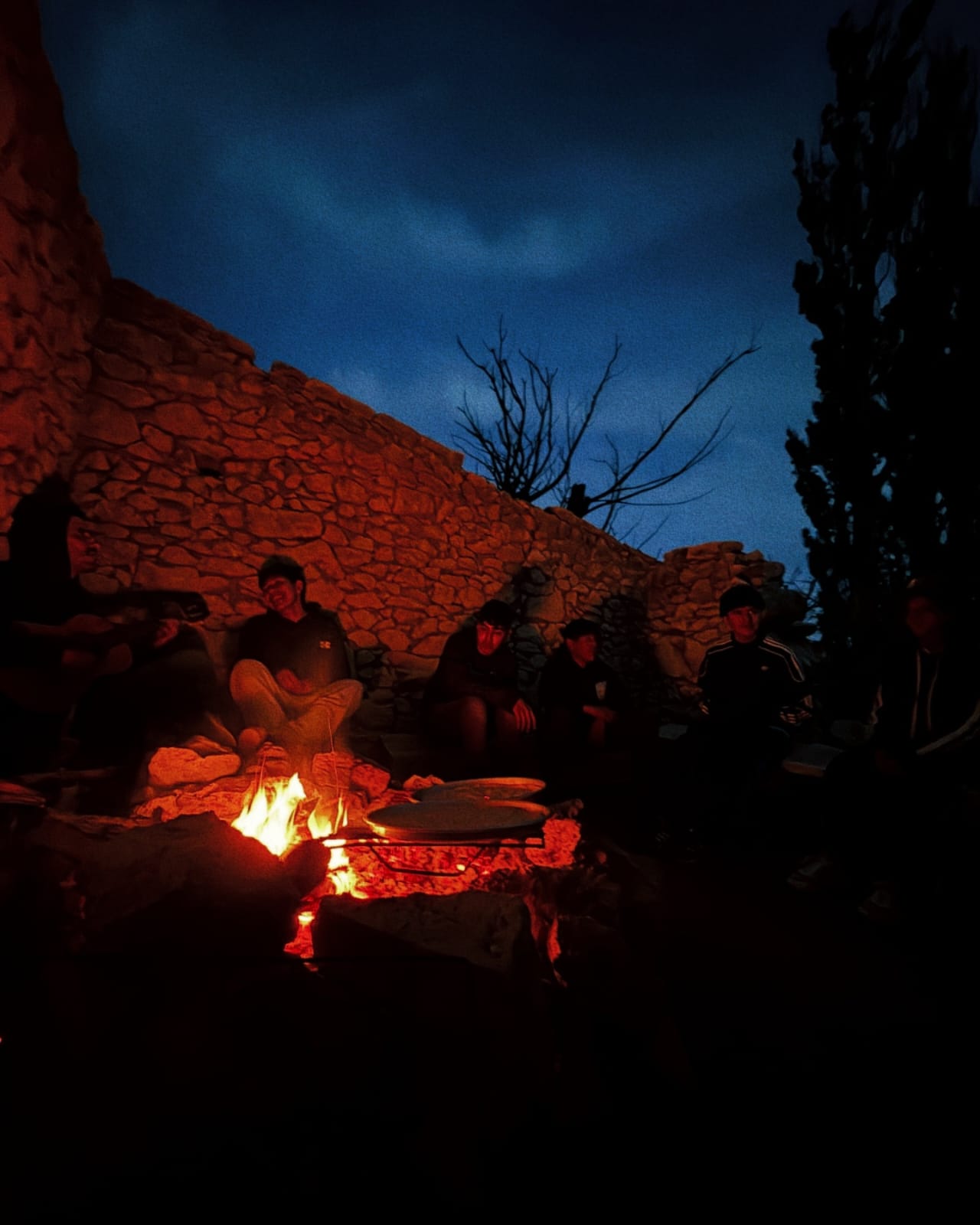
During the final camping trip of the season, as night fell, a group of kids started discussing water conservation. No one had planned it as an activity – it just happened. Through ideas, questions, and different perspectives, they created a sign that summed up what they’d been talking about: “Nature isn’t for sale – it’s meant to be cared for.” They took a photo around it and left it there, almost like a closing moment.
That scene, which emerged spontaneously, says a lot about what happens in Exploradores. “We design experiences and share content, but what we really want is for learning to happen through dialogue, and for the kids to make it their own,” says Pablo Damico, one of the program’s instructors.
A way of being in the world
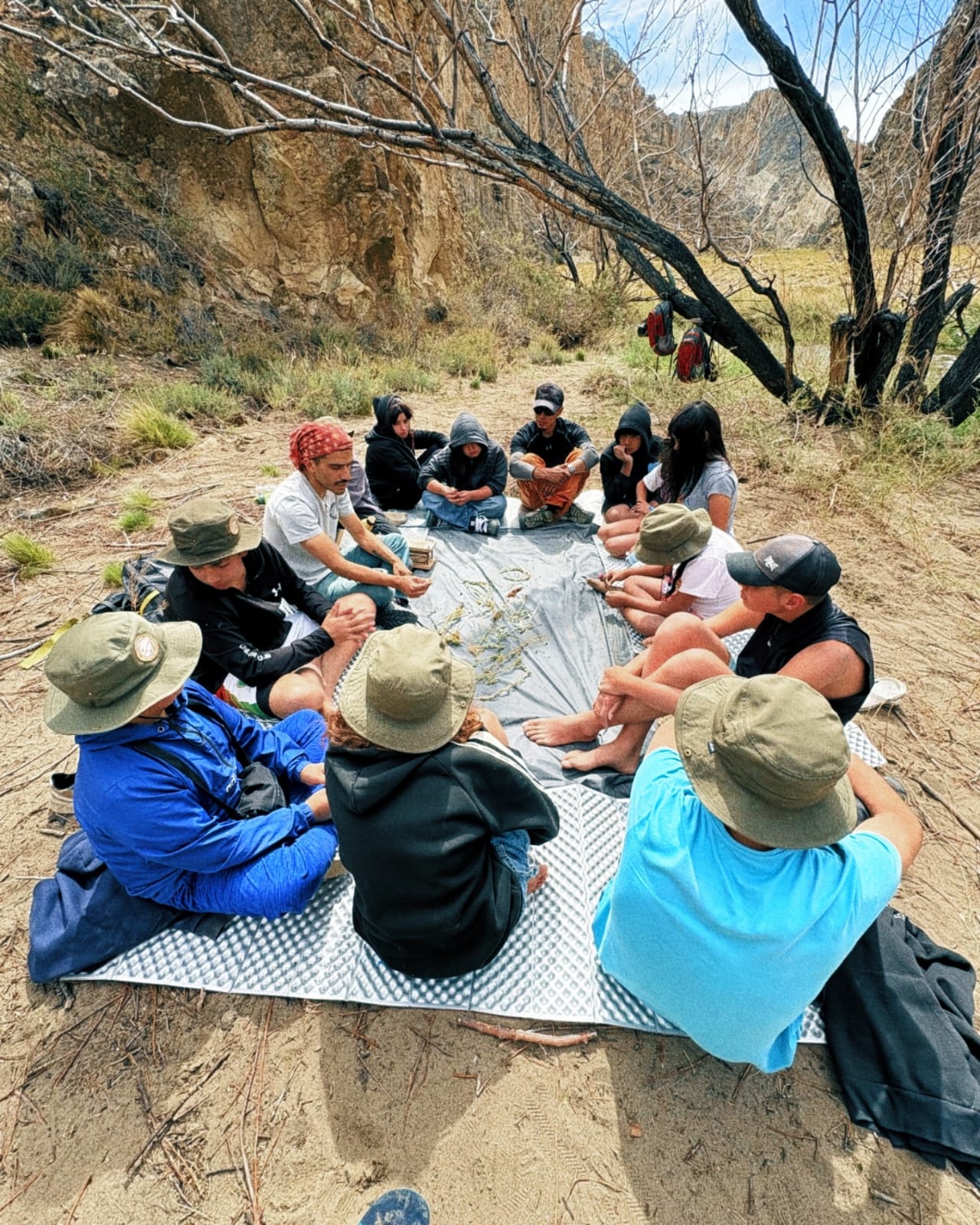
“Exploradores is a way of being in the world,” he says – and it’s not just a phrase. Over the summer, that idea takes shape in immersive three-day camping trips, where learning about wildlife, plants, night skies, and local culture goes hand in hand with being immersed in those landscapes.
This season, 168 participants between the ages of 10 and 18 joined from Perito Moreno, Los Antiguos, and Lago Posadas. Over five years, around 550 have taken part in the camping trips, and more than 2,000 have been reached through school activities, fairs, and educational outings.
The locations themselves are part of the experience. This year’s camping trips were held in Caracoles Canyon and the Pinturas River Canyon, within Patagonia Park. In the former, rock climbing offers a new way to connect with the landscape. In the latter, hiking between towering rock walls that shift in color, along with constant encounters with wildlife, creates unforgettable moments.
There’s one place in particular – where the canyons meet – that often sparks the same reaction: “Teacher, this looks like a Google wallpaper,” many of them say. And in that comment there’s something deeper: the realization that these landscapes aren’t somewhere far away, but right near their homes.
The kids’ growth
For the team behind the program, the most important outcomes aren’t always about content. “Families are amazed by how much the kids grow in just a few days – not only in what they learn, but in their independence, the way they relate to others, their patience, their tolerance,” Damico explains.
That growth is also visible in the relationships they build. Friendships that begin during camping trips often last over time, even between kids from different towns. “Exploradores has this ability to go beyond where you live and create bonds that are truly lasting,” he says.
The experience doesn’t end when they go home. What they experience during the camping trips carries over into their families, siblings, and friends – and over time, it begins to build something bigger.
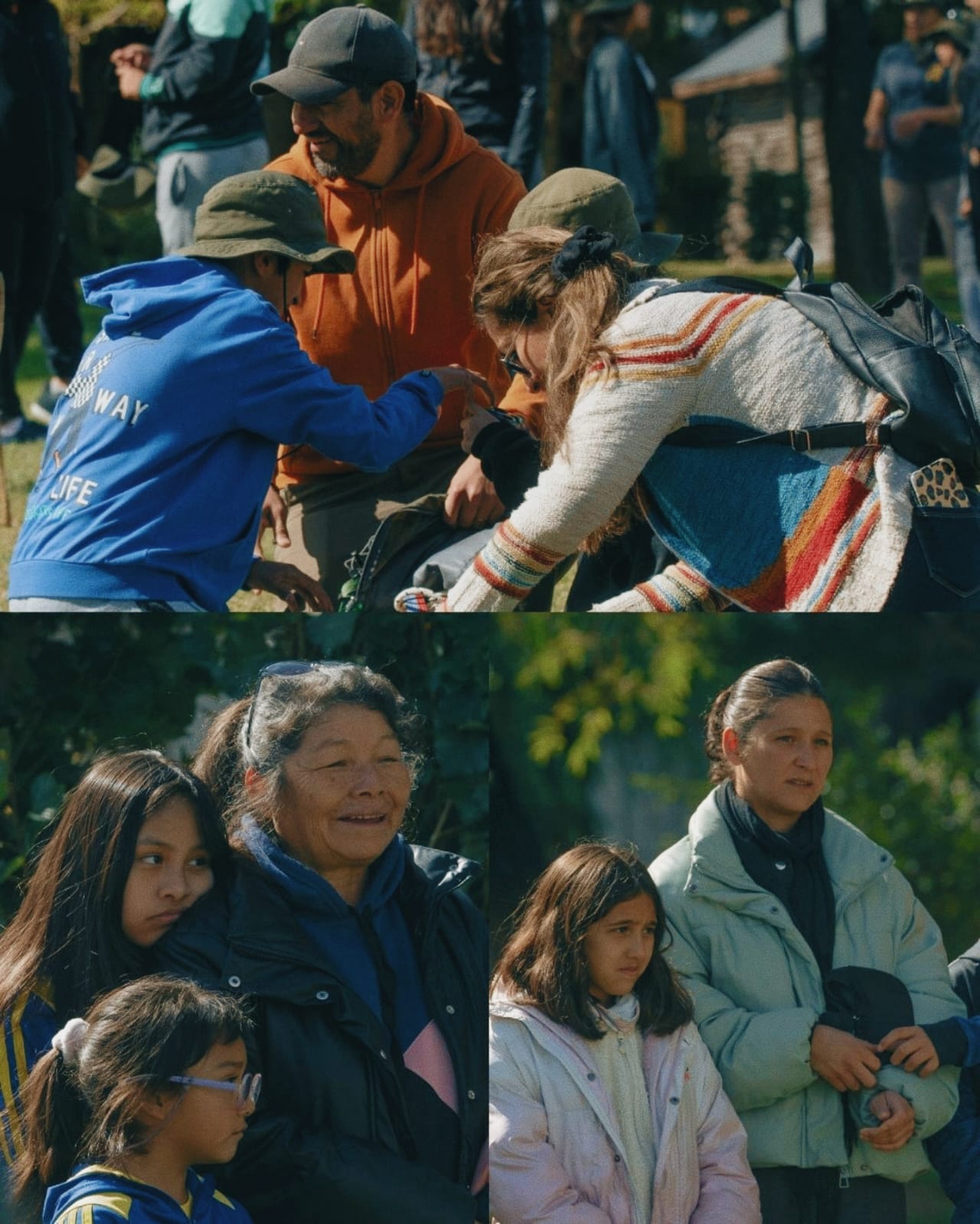
Five years in, the program has grown not only in participation but also in its presence within the community. This summer, for example, they hosted a closing gathering at the municipal campground in Perito Moreno, where around forty families participated.
They shared games, food, and a space where families could see firsthand what the kids do. “That’s when we realized we’re not just a team and a group of participants – there’s a whole community around this that makes it possible,” they say.
Demand has grown alongside that sense of community. During peak months, they receive up to twice as many applications as available spots. Even so, the goal remains that every child who wants to participate gets the chance at least once.
What comes with the colder months
With summer over, Exploradores doesn’t stop. In the fall, the program shifts to shorter outings, mainly in urban reserves and nearby wetlands, to observe seasonal changes – migrating birds, falling leaves, shifting cycles.
In winter, the experience moves into the snow, focusing on how plants and animals adapt to extreme conditions. “Exploring in the cold has its own kind of magic, because everything changes and it pushes you to see things differently,” Damico explains.
“Exploradores changes format, location, and number of participants, but its essence stays the same.” Before each activity, they still gather in circles to share expectations – how they’re feeling, how they want to coexist. Because for those behind the program, building a healthy relationship with nature also means building strong relationships with others.
And in that intersection of experience and discovery, the voices of participants come through. Ignacio – “Nachito” – took part this season and puts it simply: “When they told me I was going camping, I felt really curious and excited to see what the experience and the place would be like. The best part was everything I learned and the people I met in the canyon and its history. What I liked most was the confluence – it felt like a magical place. Thanks to Exploradores, I now see the nature around me in a different way.”
After a few days at camp, it’s no longer just a trip. “If Exploradores were a story, it would be called The Magical Story of the Canyon,” he says.