

Climbing meets restoration in Caracoles Canyon
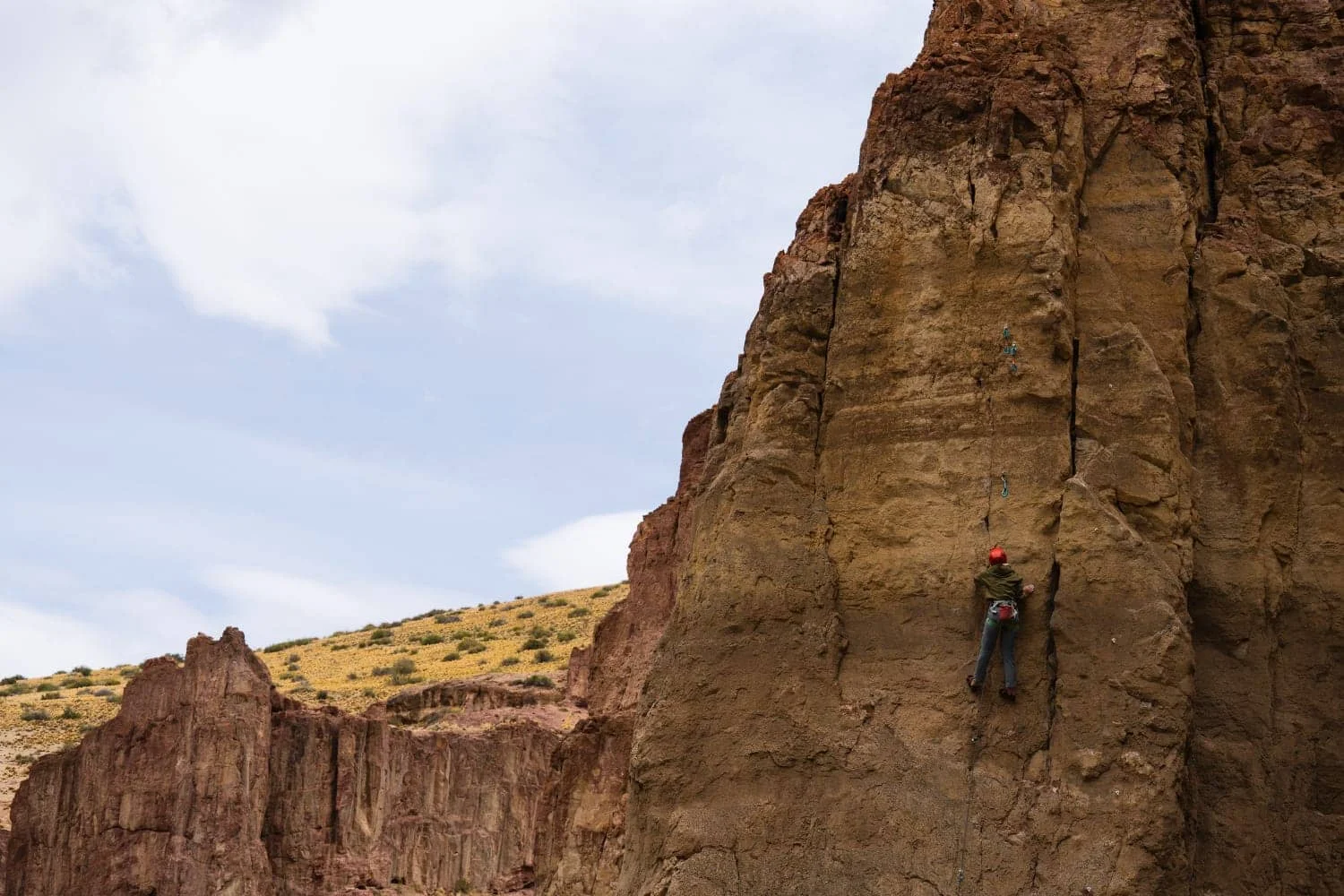
A group of 13 climbers from Los Cóndores – a sport climbing club based in Buenos Aires, Argentina – spent six days camping in northwest Santa Cruz. Drawn by the climbing routes of Patagonia Park, they also participated in a wetland restoration day, planting reeds alongside the park's conservation team.
In northwest Santa Cruz, Caracoles Canyon is a refuge amidst the steppe. It is there, where rock walls shelter a wetland teeming with life, that a group of visiting climbers decided to bring more than just ropes and carabiners.
The experience brought 13 members of Los Cóndores to Patagonia Park to climb for several days. Between camping and sessions on the canyon walls, they dedicated a day to collaborating on the restoration of a reed bed to support wetland recovery.
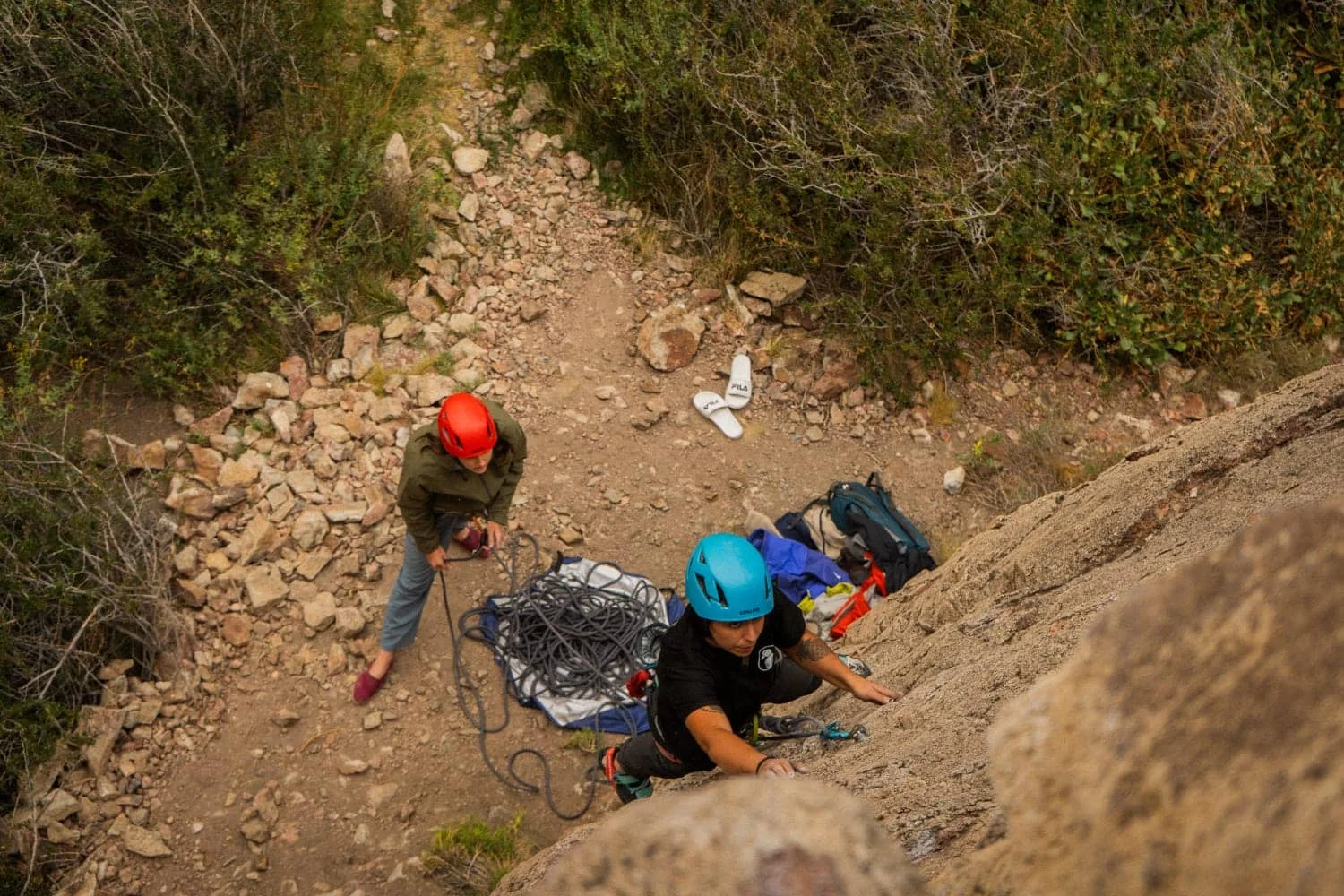
The initiative was born when group members came across the park on social media and saw that the canyon featured sport climbing sectors. Later, while attending a talk on regenerative climbing at the Centro Andino Buenos Aires, they learned more about the restoration work being carried out in Patagonia. Centro Andino Buenos Aires, conocieron en profundidad el trabajo de restauración que se desarrolla en Patagonia.
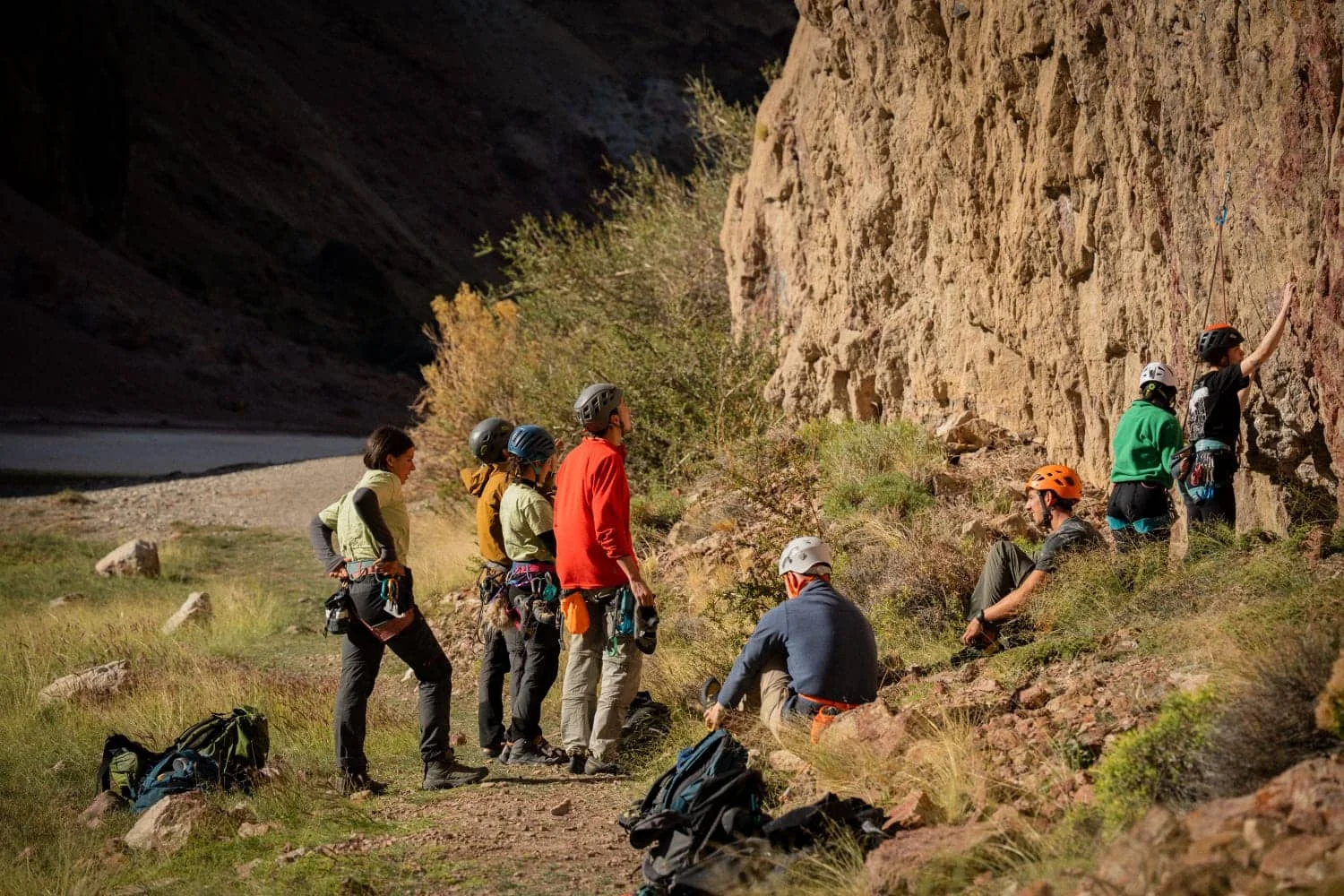
"That’s where we learned about the park's purpose, the restoration work, and its goals. So, we decided to propose a joint initiative," said Joaquín de Hero, one of the group members. From that moment on, they began planning the trip.
An Unexpected Landscape in the Steppe
For the climbers, Caracoles Canyon was a surprise.
"Many of us climbers usually pass through that area only as a transition point toward the mountain ranges. We didn't expect to find a place with those characteristics hidden within the steppe," Joaquín recounted.
At the bottom of the canyon, the rock walls shield the wetland from the wind. Joaquín says those walls form "a refuge from the strong winds and the sun," a place with a concentration of life in the middle of the steppe.
"The canyon is full of life. Foxes, lesser grisons, wild guinea pigs, and many other species inhabit the wetland, and you encounter them as soon as you get out of the car. Looking at the sky, it’s common to see condors soaring, and on the canyon crevices, you might even see a puma resting if you're lucky, ," he describes.
When Climbing Can Also Restore Nature
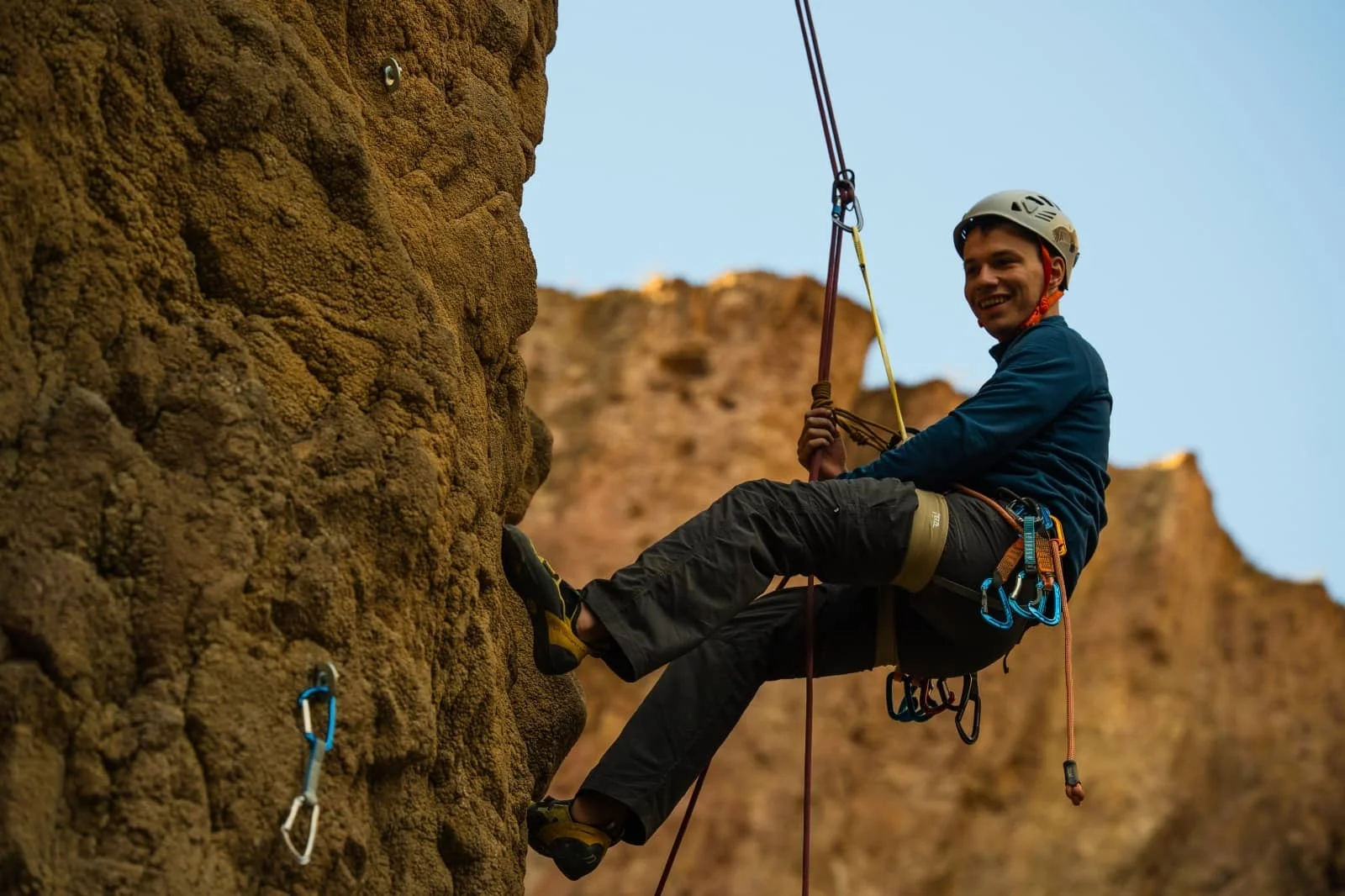
The group remained at the site for six days, camping near the climbing sector and organizing their trip to be completely self-sufficient.
"Being climbers, we are used to camping logistics, but the challenge here was water scarcity. We solved it by carrying a 200-liter tank in the truck, which allowed us to be self-sufficient throughout the stay."
The days combined climbing with rest, and it was precisely on one of those "off-days" from the wall that they participated in planting reeds in the wetland.
"Usually, rest days are a bit boring, but in the Canyon, we were able to take the opportunity to do something different and contribute from another angle," he said.
The experience also changed the way the group observed the environment around them.
"As climbers, we know the concept of 'Leave No Trace,' but participating in the restoration made us appreciate the scale of work behind the park. We understood the importance of the wetland and how our actions directly impact the wildlife that depends on it," Joaquín explained.
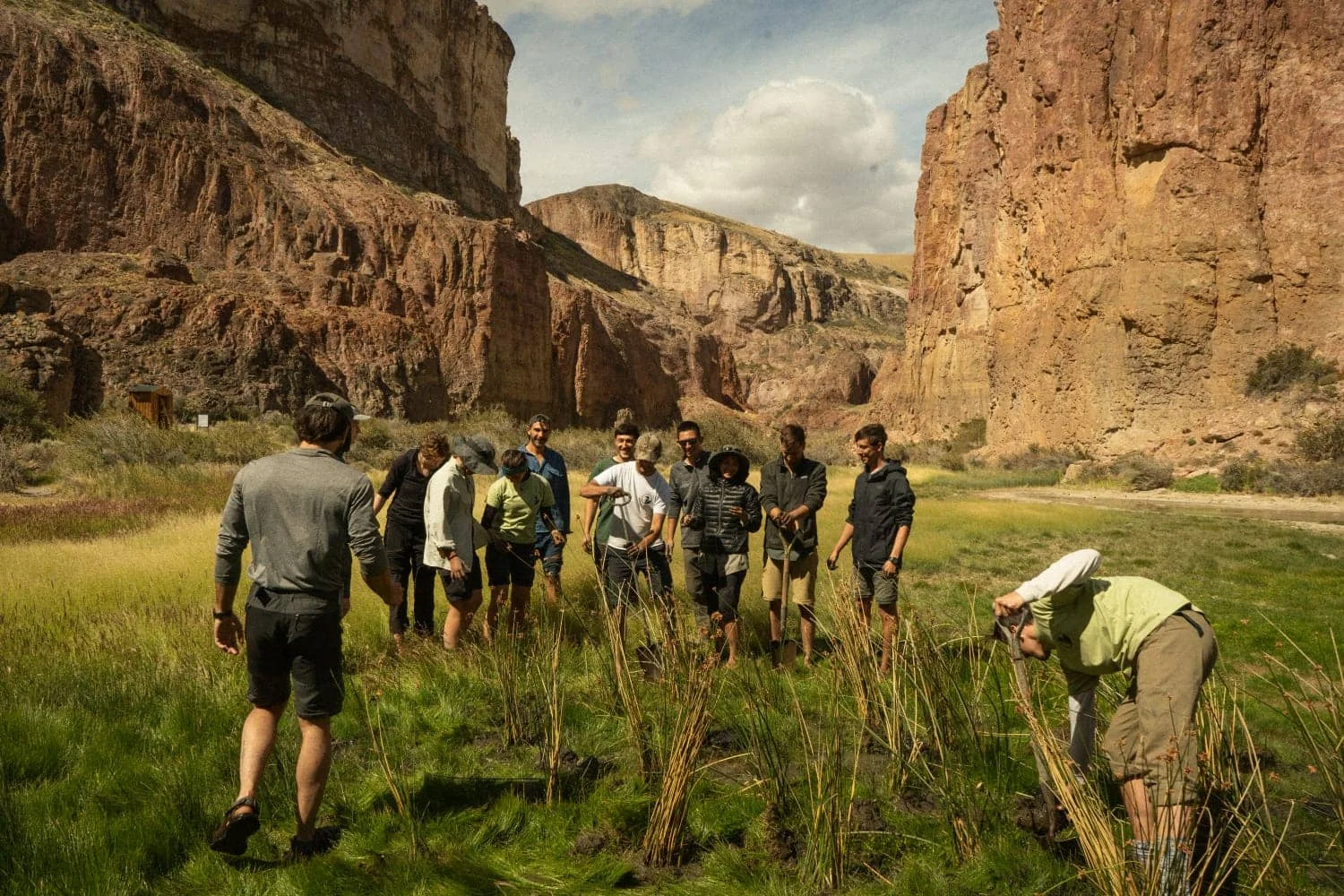
During the day dedicated to restoration, they learned about the ecosystem functioning and the conservation work taking place there.
"We were surprised to see how they control invasive species so they don't consume the water, and how the reed bed helps retain water throughout the sector. We learned to read the landscape in a different way, seeing not just climbing routes, but a living ecosystem."
The experience also sparked a broader reflection on the link between sport and nature. "Regenerative climbing gives the climber an active role within the environment they visit. It’s not just about avoiding negative impacts, but also about contributing positively to conservation," Joaquín says.
For the group, the experience has opened a wider discussion on the link between sport and conservation. Joaquín explains that regenerative climbing goes beyond the classic "leave no trace" mantra. "It gives the climber an active role," he notes.
In the climbing community, certain practices are already ingrained, such as waste management or caring for climbing sites. However, the growth of the sport also opens new sectors and raises discussions about impact – ranging from the use of climbing chalk to the creation of unplanned trails.
In this context, he notes, regenerative climbing "can become a concrete tool for the conservation and restoration of different ecosystems."